

Retinal venular widening and a higher vessel tortuosity are associated with lower performance of short-term visual recognition memory in children aged 4 to 5 years, according to a study published in JAMA Network Open.
Retinal venular widening and a higher vessel tortuosity are associated with lower performance of short-term visual recognition memory in children aged 4 to 5 years, according to a study published in JAMA Network Open.

Moderna will receive over $1.5 billion for 100 million doses of its coronavirus disease 2019 (COVID-19) vaccine candidate; researchers isolated COVID-19 from the air; New Zealand had no new cases of COVID-19 for almost 4 months.

A Marshall University researcher received $444,000 from NIH to continue researching a new treatment target in chronic renal failure.

A real-world study showed that ruxolitinib is a safe treatment for patients with myelofibrosis.
Activity trackers, like Fitbits, are not accurate enough for clinical use but may be helpful for coaching in conditions like COPD, a study says.

In Italy, a study looked at reallocating resources meant for patients with breast cancer to those stricken with coronavirus disease 2019, finding that the former could benefit from fast-track awake surgery to reduce risk of cross-infection.

Among patients with Parkinson disease aged 60 years and younger with early motor complications, deep brain stimulation was found to provide significant improvements in social, occupational, and psychosocial function.

From 1968 to 2016, differences among Black and White older adults’ mortality rates have narrowed in urban areas of America. However, data show a considerable widening in the mortality rate among Black and White men living in rural counties.

The authors said the findings bring new urgency to efforts by policy makers, school officials, community leaders, and others to educate the public about the link between smoking and coronavirus disease 2019 (COVID-19).

Federal money for state and local governments is a major obstacle in negotiations over the next coronavirus disease 2019 (COVID-19) relief package; Kodak's $765-million government loan to supply COVID-19 supplies is on hold; the World Health Organization says that COVID-19 does not appear to wane with the seasons.

Despite triage systems in place to exclude patients with coronavirus disease 2019 (COVID-19), viral material was found on ophthalmology examination room surfaces at one center, though the infectivity of the samples was unknown.

Of 5 HIV treatment effects evaluated in a recent study, short-term efficacy on physical activity ability and long-term efficacy on life expectancy were the top preferences for younger and older patients, respectively.

Data from women with menstrual migraine enrolled in the Study to Evaluate the Efficacy and Safety of Erenumab in Migraine Prevention show erenumab is a safe and effective option for treating the condition

Researchers discuss current and prospective pharmacological therapies for treating both excessive daytime sleepiness and cataplexy in patients with narcolepsy, as well as efforts to address narcolepsy stigma.

Being male and Black, having comorbidities, and admission to a nonteaching hospital were linked to greater chances of subsequent readmission for heart failure in a recent Journal of Clinical Hypertension study.
Researchers developed a test to better determine which children will develop type 1 diabetes (T1D), moving closer to routine testing for newborns and potentially avoiding the risk of life-threatening complications.

At least 97,000 US children tested positive for coronavirus disease 2019 (COVID-19) in the last 2 weeks of July; AbbVie will pay $24 million for illegally tempting doctors and nurses to prescribe Humira; airlines are considering banning those who refuse to wear masks.

A small study out of Sweden adds to context to the puzzle of how best to treat patients with multiple myeloma who contract COVID-19.

Andria Jacobs, RN, MS, CEN, CPHQ, chief operating officer for PCG Software, discusses 3 billing and claims issues facing the health care industry in the wake of the COVID-19 pandemic.

A new study in PLOS ONE has highlighted the broad impact fatigue can have on patients with rheumatoid arthritis (RA), psoriatic arthritis, and axial spondyloarthritis.

Beyond telework, some notable strategies that employers should consider when managing back-to-school and other leave related concerns among employees include child care benefits and flexible work options, said David Weisenfeld, JD, legal editor and host of a XpertHR podcast.

A rule change to let those with end-stage renal disease enroll in Medicare Advantage has a twist that could stop patients from learning if their dialysis center iis in the network.

A risk prediction model based on high-resolution computed tomography (HRCT) variables outperformed other models when predicting mortality among patients with rheumatoid arthritis-associated interstitial lung disease (RA-ILD).
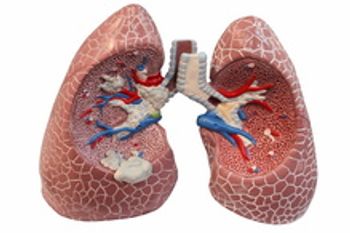
A new study has found that muscle loss can lead to increased rates of mortality and morbidity in patients with chronic obstructive pulmonary disease (COPD). However, one expert remains skeptical whether the study represents the full scope of patients at risk.


Delays in surgery to treat early-stage breast cancer and receiving neoadjuvant endocrine therapy did not decrease survival odds among female patients, authors report in the Journal of the American College of Surgeons.

A 3-year endeavor to scale up HIV prevention and education efforts among men who have sex with men in Dhaka, Bangladesh, showed only modest gains in the country where intercourse with a same-sex partner could mean a lifetime jail sentence.

Coverage of our peer-reviewed research and news reporting in the health care and mainstream press.
Negotiations on a new coronavirus disease 2019 (COVID-19) relief package are reportedly on the brink of failure; as more than 100 COVID-19 vaccine candidates continue to be examined in clinical trials, some hints on pricing have emerged; the Trump administration removed its warnings on all international travel to Americans amid COVID-19.

In the primary analysis of a phase 3 study, ruxolitinib reduced spleen length and symptoms in patients with myelofibrosis, according to results published in British Journal of Haemotology.