
Experts surveyed regarding how best to treat patients with chronic lymphocytic leukemia (CLL) amid the pandemic agreed with social distancing, but were cautious about universal testing and treatment continuation.
Experts surveyed regarding how best to treat patients with chronic lymphocytic leukemia (CLL) amid the pandemic agreed with social distancing, but were cautious about universal testing and treatment continuation.

A new study may have uncovered reasons why some patients with multiple myeloma have poor outcomes following allogeneic stem cell transplantation.

A phase 3 study of ruxolitinib (Jakafi) has met its primary end point of superior overall response rate (ORR) compared with the best available therapy in patients with moderate or severe steroid-refractory or steroid dependent chronic graft-versus-host disease (GVHD).

While clinical guidelines call for those with diabetes to be tested regularly for kidney disease, less than 50% of these patients are tested once a year, according to the National Kidney Foundation.

Pandemic anxiety continues to hurt Americans' mental health, while concerns about the impact of coronavirus disease 2019 (COVID-19) splits by party affiliation and background.

Writing in Nature, scientists found the antibodies fell into 2 distinct groups, targeting different regions of the viral spike. Thus, they say, the battle against coronavirus disease 2019 (COVID-19) could be opened on separate fronts, much like the approach Ho and others have studied in HIV and some forms of cancer.

This week, the FDA approved Jazz Pharmaceuticals’ XywavTM (calcium, magnesium, potassium, and sodium oxybates), an oral solution for the treatment of cataplexy or excessive daytime sleepiness in patients 7 years and older with narcolepsy.

Transferring from pediatric to adult care can result in difficulties for patients with childhood-onset systemic lupus erythematosus.

Labs nationwide are struggling to meet the processing demands of surging coronavirus disease 2019 (COVID-19) tests, causing long delays; levels of antibodies against SARS-CoV-2, the virus that causes COVID-19, were found to drop dramatically across the first 3 months of infection; suspected opioid-related overdoses have more than doubled in Wisconsin amid the pandemic.

In 2 studies of secukinumab use in real-world settings, researchers identified the usefulness of dose escalation in patients with psoriatic arthritis (PsA), as well as the safety, retention rate, and factors associated with drug survival among patients with PsA and ankylosing spondyloarthritis.

Current existing research highlights the important association between the increased risk of suicidal behaviors among chronic migraineurs with and without aura, in both the clinical and general population worldwide, according to a systematic review published in Frontiers in Neurology.

Women with early-onset germline BRCA-mutated breast cancer can have subsequent pregnancies without increasing their risk for disease recurrence, according to the authors of a recent study in Journal of Clinical Oncology.
In 2 midyear deals reports issued today by PricewaterhouseCoopers (PwC), total US health services deal value and volume were down in the first half (H1) of 2020 compared with H1 2019, with overall global pharma and life sciences sectors also down in H1 2020 compared with the second half of 2019.

Findings from the Michael J. Fox Foundation’s (MJFF) coronavirus disease 2019 (COVID-19) survey, based on patient-reported information from Fox Insight, highlight the known adverse effects of general infections on worsening of motor and nonmotor symptoms in patients with Parkinson disease (PD). However, there still remains insufficient data on the specified risk of COVID-19 in the PD community, noted Vanessa Arnedo, vice president of Research Cohorts for MJFF, and Ethan Brown, MD, neurologist and principal investigator of the MJFF COVID-19 survey.

According to the study, vaporized cannabis, when compared with placebo, could be a safe and potentially effective way to address pain linked with sickle cell disease. While the decreases in pain were not statistically significant, the drug did significantly decrease pain interference in mood over a 5-day inpatient stay.

Umbilical cord blood provides a readily available source of stem cells to provide better access to hematopoietic stem cell transplantation to safely and effectively treat various noncancerous genetic disorders in children.

Anti-vascular endothelial growth factor (VEGF) therapy may be useful for patients with retinal nonperfusion, as the treatment does not exacerbate the nonperfusion, according to a study published in JAMA Ophthalmology.

Positive genetic correlations of migraine with diastolic blood pressure (BP) and systolic BP exist, supporting the notions that diastolic BP plays a critical role in migraine susceptibility and BP and migraine share underlying biological mechanisms, according to a study published in Nature Communications.

The US government partners with biotech giants Pfizer and BioNTech to distribute a coronavirus disease 2019 (COVID-19) vaccine; the COVID-19 death record continues to be broken; could Medicare be in financial trouble?

Comorbidities are common in patients with rheumatoid arthritis, and the presence of comorbidities reduces the chance of remission and is associated with worse functional status and disease activity measures.

Stigma perpetuated in a health care setting has been linked to greater odds of poor outcomes in the HIV continuum of care for antiretroviral treatment adherence and reduced viral suppression among persons living with HIV in Florida.

Recent CDC data show that a record number of drug overdose deaths occurred in the United States last year, following a dip in 2018. To help improve access to and ease utilization of recovery support systems, Shatterproof, a nonprofit organization committed to reversing the addiction crisis, today launched an Addiction Treatment Locator, Assessment, and Standards Platform (ATLAS).
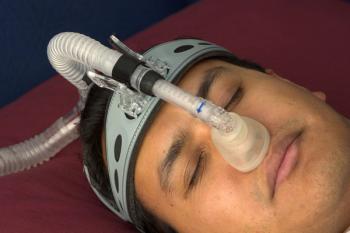
Increases in different aspects of snoring, such as frequency and loudness, among patients with obstructive sleep apnea and established cardiovascular disease were associated with greater risks of cerebral but not cardiac events, according to study findings.

The National Institutes of Health's (NIH) “All of Us” research project was spotlighted for its potential to explain racial disparities due to coronavirus disease 2019 (COVID-19); the FDA has told Cool Clouds Distribution to stop selling its fruite-flavored e-cigarettes (e-cigs); the American Society of Clinical Oncology (ASCO) and Association of Community Cancer Centers (ACCC) partner to promote minority participation in cancer treatment trials.

Children with type 1 diabetes (T1D) have a less desirable gut microbiome composition, potentially contributing to the development of the disease, according to new research published in the Journal of Clinical Endocrinology & Metabolism.

Two experimental vaccines, one from AstraZeneca and the other from CanSino Biologics, have shown promising results against coronavirus disease 2019 (COVID-19) in a phase 1/2 trial and a phase 2 trial. Results for both were published in The Lancet.

The next several years could bear witness to thousands of additional deaths from cancer that could have been prevented through routine diagnostic care that was delayed because of the coronavirus disease 2019 (COVID-19) pandemic, according to a pair of studies in The Lancet Oncology.
The attorneys general who spoke about the suit—California’s Xavier Becerra, Massachusetts’ Maura Healey, and New York’s Leticia James—said they found it difficult to believe that the administration would adopt the rule in the midst of the coronavirus disease 2019, which is disproportionately affecting communities of color.

Epimacular brachytherapy does not reduce the number of ranibizumab injections required by patients with chronic, active neovascular age-related macular degeneration (ARMD), and it is associated with worse visual acuity compared with anti-vascular endothelial growth factor (VEGF) treatment alone, according to a study published in JAMA Ophthalmology.

The FDA has approved a new pooled method of testing individuals for coronavirus disease 2019 (COVID-19); early data show a drug developed by Synairgen yielded positive results in patients with COVID-19; some hospitals report shortages of young doctors, due in part to new visa restrictions enacted by the Trump administration.