





We speak with one of the authors of a recent study examining why overall biomarker testing rates remain poor for metastatic colorectal cancer.
We speak with one of the authors of a recent study examining why overall biomarker testing rates remain poor for metastatic colorectal cancer.
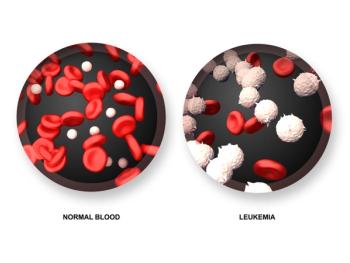
Minimal residual disease (MRD), a measure of how many cancer cells remain in a patient during or following chemotherapy or stem cell transplant, is a potent indicator of whether or not a patient is likely to relapse; recent research probed the associations between MRD status and certain prognostic risk factors in childhood B-lymphoblastic leukemia after both induction and consolidation.

Several barriers exist when it comes to effectively integrating genomic testing and biomarkers into cancer testing and care, said Stuart Goldberg, MD, Chief of the Division of Outcomes and Value Research at the John Theurer Cancer Center at Hackensack University Medical Center.

Minimal residual disease (MRD) may be prevalent in clinical trials and discussed at conferences, but it is not really used widely in practice, said C. Ola Landgren, MD, PhD, professor of medicine and chief of the Myeloma Service at Memorial Sloan Kettering Cancer.

The small molecule from BeyondSpring is currently in late-stage clinical development in non–small cell lung cancer and for prevention of chemotherapy-induced neutropenia.

clonoSEQ, from Adaptive Biotechnologies, is a next-generation sequencing assay with existing Medicare coverage to monitor for minimal residual disease (MRD) in multiple myeloma and B-cell acute lymphoblastic leukemia. The newest Medicare coverage is for chronic lymphocytic leukemia (CLL), which takes effect immediately.

The platelet-derived growth factor receptor alpha (PDGFRA) exon 18 mutation occurs in close to 6% of patients with gastrointestinal stromal tumors (GIST), the most common being the D842V mutation, for which there is no effective, approved treatment. The drug previously received breakthrough therapy, fast track, and orphan drug designations.
While minimal residual disease (MRD) has been a topic of research for at least a decade, right now it is more top of mind than ever before for people treating cancer, said C. Ola Landgren, MD, PhD, professor of medicine and chief of the Myeloma Service at Memorial Sloan Kettering Cancer.


Caris Life Sciences, a leader in somatic testing on cancer tumor cells, has joined forces with Ambry Genetics to offer its 67-gene test that evaluates a patient’s hereditary risk for cancer.
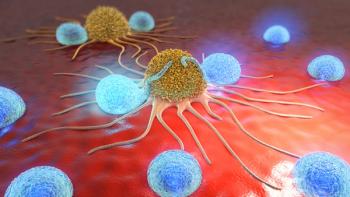
Epigenetic drug therapy should be explored for certain patients with marginal zone lymphoma, according to a recent study.

So far, minimal residual disease (MRD) has not been used much outside of clinical trials, but researchers are testing how it might be used to guide decisions in clinical practice, said Lindsey Roeker, MD, clinical fellow at Memorial Sloan Kettering Cancer Center.

The next era in treating mantle cell lymphoma will use precision medicine to target therapies in a personalized way, said Michael Wang, MD, professor in the Department of Lymphoma and Myeloma at MD Anderson.

Nanopore technology, still in its developmental phases, could be used to detect predictive biomarkers for acute myeloid leukemia (AML), according to a recent study.

Despite a 20% drop in mortality since 2009, colorectal cancer accounted for 9.8% (881,000) of deaths worldwide in 2018 and represents 10.2% of all cancer cases worldwide. It is No. 3 on the list of most prevalent cancers worldwide—1.8 million new cases in 2018—behind only lung cancer and breast cancer.
Although the pembrolizumab 8 arm of I-SPY2 did not have strong enough results to continue onto phase 3, it does provide some insights and highlights the need for precision medicine to tailor approaches to treatment, said Rita Nanda, MD, associate professor, medicine, The University of Chicago Medicine.

Findings from 2 studies presented at the San Antonio Breast Cancer Symposium highlight the value of genomic profiling for women with breast cancer.

A study presented at the 61st American Society of Hematology (ASH) Annual Meeting and Exposition in Orlando, Florida, discussed the first report of next-generation sequencing (NGS) to test for minimal disease response (MRD) after the combination of ibrutinib plus fludarabine, cyclophosphamide, and rituximab (iFCR) in chronic lymphocytic leukemia (CLL).

The advent of next-generation sequencing (NGS) has meant better care for children with acute myeloid leukemia (AML), a better understanding of rare subtypes of genetic AML, and a better prognosis for these patients, said Sarah Tasian, MD, attending physician in the Division of Oncology at Children’s Hospital of Philadelphia.

Reimbursement for CAR-T therapy has progressed to where commercially insured patients obtain coverage regularly, but issues remain for patients with Medicare, said John Sweetenham, MD, professor in the Department of Internal Medicine at UT Southwestern Medical Center and the Associate Director for Clinical Affairs at UTSW’s Harold C. Simmons Comprehensive Cancer Center.