





Precision Medicine in Oncology
Latest News

Payers Fail to Reset Radiation Oncology Payments to Match Coding Changes—and Some Clinics May Close, Leading Oncologist Says
By Mary Caffrey
Advertisement
Latest Videos






Podcasts

Advertisement
More News

AI is poised to transform oncology with innovative tools enhancing diagnosis, treatment, and clinical trials, despite some wariness from clinicians and patients.
Precision oncology's promise was the key theme of the July 17 session of the Institute for Value-Based Medicine with faculty from multiple institutions in the Boston, Massachusetts area.

There are molecular testing gaps in myelodysplastic syndrome (MDS) and acute myeloid leukemia (AML) treatment, highlighting the need for improved testing and targeted therapy integration.

Florida Cancer Specialists & Research Institute launches a new precision medicine venture; Tennessee Oncology announces promotions.


Coverage of clinical trial results presented across a range of solid tumor cancers, including breast, ovarian, colorectal, and non-small cell lung cancer, among other types; as well as important findings in genomic testing.

The therapy is designed to target multiple receptors and could address an unmet need in metastatic colorectal cancer.

Coverage from the American College of Cardiology Scientific Session Together With World Congress of Cardiology, held March 4-6, 2023, in New Orleans, Louisiana.





Miruna Sasu, PhD, MBA, became president and CEO of COTA Healthcare in March 2022, not quite a year after joining the company as its chief strategy officer. As the importance of RWD grows, Sasu is ready to take its use in precision oncology to new levels. She spoke with Evidence-Based Oncology™ (EBO) about her new role.
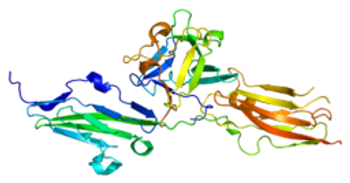
Development of FGFR inhibitors, which target fibroblast growth factor receptors, is among the most important advances in the treatment of cholangiocarcinoma.

This new study, conducted among individuals receiving treatment at Cancer Center of Kansas, investigated the potential benefits of incorporating liquid biopsy into community-based oncology practices.

A new retrospective study of patients with high-risk t(8;21) acute myeloid leukemia (AML) investigated outcomes from 2 therapies following return of minimal residual disease–positive status after allogeneic hematopoietic stem cell transplantation.

This new study explores the utility and potential of noninvasive liquid biopsies as a method of early detection in lung cancer.

This new study synthesized data from 5 clinical trials at the University of California, San Francisco, to evaluate the utility of minimal residual disease (MRD) and serum-free light chain (SFLC) levels in predicting progression-free survival among patients with multiple myeloma (MM) receiving chimeric antigen receptor T-cell therapies.

Circulating tumor DNA (ctDNA) as a detection method for renal cell carcinoma (RCC) was investigated in a new review that summarizes evidence on ctDNA use and potential.

Despite being the most common pancreatic cancer, pancreatic ductal adenocarcinoma (PDAC) is notoriously difficult to treat, while new research shows treatment and diagnosis could benefit from minimally invasive liquid-based biopsy.

Interim data from a National Cancer Institute Center for Cancer Research study show demonstrated immune reactions in patients with breast cancer following immunotherapy with their own tumor-infiltrating lymphocytes (TIL).

This 9-month investigation looked into the potential for next-generation sequencing (NGS) at the point of care to increase turnaround time for biomarker testing results in advanced colorectal cancer (CRC).
Advertisement
Advertisement
Trending on AJMC
1
EHA 2026 Late Breakers Deliver Practice-Shifting Phase 3 Data and Novel CAR T Approaches Across Hematology
2
Paul Richardson, MD, Calls Mezigdomide “CAR T in a Pill” for Patients With R/R Multiple Myeloma
3
MRD-Guided CLL Treatment Duration: Personalization or Malpractice?
4
Type 5 Diabetes: A Long-Ignored Condition Gets Its Moment
5