




Providers
Latest News
Advertisement
Latest Videos








CME Content


Advertisement
More News

The study demonstrated a poor prognosis overall for patients with acute myeloid leukemia (AML) who were previously treated with hypomethylating agents (HMAs) for myeloid neoplasms such as myelodysplastic syndromes.

A new resource from the National Comprehensive Cancer Network (NCCN) provides evidence-based guidance on assessing and testing for inherited genetic mutations linked with increased cancer risk.

Patient outcomes appeared to be more heavily driven by breast cancer stage than delays in diagnosis, researchers found.

Patients with spinal muscular atrophy (SMA) type 2 showed improved motor ability when treated with intrathecal onasemnogene abeparvovec, an investigational gene therapy.

Across 5 research centers, investigators evaluated the impact of eculizumab on thymoma-associated myasthenia gravis, a severe disease subtype.

This meta-analysis sheds more light on the beneficial impact of multiple melanoma (MM) treatments and the predictive value of minimal residual disease (MRD) status for patient prognoses.

The results suggest that prolonging ambulation may not adversely impact cardiac function in adulthood for patients with Duchenne muscular dystrophy (DMD).

Respiratory patterns and submental surface electromyography may be a reliable indicator of dysphagia among patients with myasthenia gravis.

The bird flu, also known as avian influenza and H5N1, was implicated in the first human death from the infectious disease on January 6. But still, no human-to-human transmission has been reported.

If the subcutaneous delivery method gains approval, an advantage daratumumab holds over isatuximab would be removed.

A collaboration between a drug plan and clinical pharmacists led to nearly 50% of members successfully switching to a preferred dipeptidyl-peptidase-4 inhibitor.

Data from a systematic review of 30 real-world studies show comparable discontinuation rates of ocrelizumab to those in pivotal clinical trials among patients with different types of multiple sclerosis (MS).

Data pulled from the impact of Clinical Resource Hubs (CRHs) demonstrate the benefits these programs provide to veterans who may be experiencing gaps in care.

Two posters presented at the 2024 American Society of Hematology meeting reported real-world outcomes data for patients treated for pediatric acute myeloid leukemia (AML).

Opioid use disorder (OUD) can cause serious maternal complications, but data on the burden of OUD in pregnancy is severely lacking and more evidence-based solutions are needed.
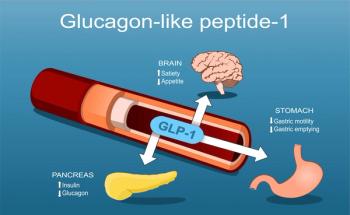
For this review, the authors searched for randomized controlled trials published in MEDLINE, Embase, and Cochrane CENTRAL from inception through October 4, 2024.

A study demonstrated that pre-transplant measurable residual disease (MRD) status is a strong prognostic factor for overall survival, disease-free survival, and relapse risk in patients with AML and MDS undergoing allogeneic stem cell transplantation.

Patients with generalized myasthenia gravis experienced durable improvements across measures of efficacy and regardless of the time since they were diagnosed.

This interview will appear in the January 2025 issue of Evidence-Based Oncology, our annual recap of the American Society of Hematology Meeting and Exposition. After this article went to press, the company announced its ticker symbol on the Nasdaq will change January 2, 2025.

Patients and physicians agree about which symptoms have the biggest impact on patients’ quality of life.

Secondary immunodeficiency disease (SID) status was associated with significantly higher risk for severe bacterial infections in adult patients with chronic lymphocytic leukemia (CLL)/small lymphocytic lymphoma (SLL).

A national survey of Canadian hematologists reveals gaps and variability in supportive care strategies for older adults with myelodysplastic syndromes (MDS) and acute myeloid leukemia (AML), emphasizing the need for evidence-based guidelines.

Check out our top 5 most-viewed pieces of coverage from the 2024 SLEEP meeting.

Understanding postural orthostatic tachycardia syndrome is important in order to improve prevention and outcomes.

Epcoritamab-bysp showed a 69% objective response rate and 62% complete response rate in older patients with large B-cell lymphoma who were ineligible for anthracycline-based therapy.
Advertisement
Advertisement