




Providers
Latest News
Advertisement
Latest Videos








Advertisement
More News
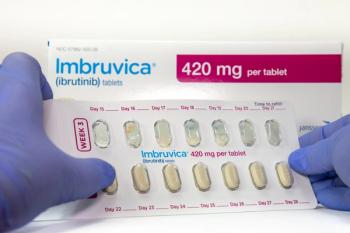
The findings come from a review of 4 randomized clinical trials, which found that statin use at the start of treatment was associated with improved cancer-related survival, overall survival, and progression-free survival.

Increased levels of human leukocyte antigen G (HLA-G) were associated with inferior overall survival.

Because clinical trials do not mimic the real-world application of multiple myeloma treatments, Ajai Chari, MD, discussed the variety of patient factors clinicians should consider in their practice.

The results offer some of the first glimpses into real-world findings of the Janus kinase inhibitor in patients with myelofibrosis (MF) and anemia.

Experts emphasize the need for enhanced clinical trial infrastructure in community oncology to ensure equitable access to innovative therapies for all patients.

Infection was a leading cause of death in lower-risk myelodysplastic syndromes (MDS), highlighting the need for vigilant monitoring and preventive strategies.

Many studies have examined how rheumatoid arthritis therapy affects the risk of metabolic comorbidities.

Jon Giles, MD, speaks to the power of personalized medicine and multidisciplinary care to enhance treatment for patients with rheumatoid arthritis (RA).

Significant unmet needs were found among high-quality validation studies on the internal structure of patient-reported outcome measures (PROMs) specific to alopecia areata (AA), a common hair loss condition with substantial quality of life impacts.

Downstaging and bridging strategies are changing how hepatocellular carcinoma (HCC) is treated.

A new survey highlights how the mental toll of loneliness trickles down to have very real physical consequences for patients with chronic illness.

Prademagene zamikeracel (Zevaskyn) is the first and only cell-based gene therapy for wound treatment in patients with recessive dystrophic epidermolysis bullosa.

Immediate local flap or skin graft following basal cell carcinoma (BCC) can be considered, a study found.

New research suggests classical biomarkers cannot discriminate between refractory and non-refractory rheumatoid arthritis.

Minimal residual disease (MRD)-guided triple therapy showed promising results for relapsed chronic lymphocytic leukemia (CLL), achieving high rates of undetectable disease and prolonged survival.

New research explores the complex relationship between female infertility and gynecological cancers, revealing minimal links and emphasizing the need for further studies.

Adding venetoclax to decitabine-cedazuridine significantly enhanced response rates in patients with higher-risk myelodysplastic syndromes (MDS) and chronic myelomonocytic leukemia.

When it comes to treating multiple myeloma (MM), Ajai Chari, MD, argued that more is not always better. More intense treatment regimens, or those with more drugs, don't necessarily guarantee better outcomes.

The continued success of abelacimab throughout the AZALEA-TIMI 71 trials helps draw the drug closer to FDA approval, stated Sid Patel, MD.

The future of treating metabolic dysfunction–associated steatohepatitis (MASH) looks brighter than ever, says Naim Alkhouri, MD, as data emerges on newly developed interventions.

Even with prevention measures and timely, aggressive intervention, tumor lysis syndrome (TLS) remains life-threatening, as a case study in small cell lung cancer (SCLC) illustrates.

For patients with complex needs and social challenges like unstable housing, the hospital has become their de facto medical home—yet each visit is a fragmented restart, without continuity, context, or a clear path forward.

"Value" in oncology should measure far more than clinical outcomes, stated Andrew Chapman, DO, as he argued how rethinking "value" could not only enhance patient care but also drive down costs.

Researchers are calling for more targeted efforts to improve health equity after a new analysis revealed that cancer symptom documentation and burden vary across certain demographics.

Although immunotherapies and biomarker-driven interventions have transformed lung cancer outcomes, Martin Edelman, MD, Fox Chase Cancer Center, highlighted the present challenge hindering clinicians' abilities to anticipate patients' treatment responses.
Advertisement
Advertisement
Trending on AJMC
1
FDA Clears First Alzheimer Blood Test for Adults as Young as 40
2
MFN Drug Agreements Could Raise Prices Worldwide
3
Dosing, Tolerability, and Formulary Impact: Aripiprazole and Quetiapine XR in MDD
4
Newer Agents, New Advantages: Brexpiprazole, Cariprazine, and Lumateperone in MDD
5