






The risk of orthopedic surgery has declined for patients with rheumatoid arthritis (RA) over the course of decades, but the same trend has not occurred for patients with psoriatic arthritis.
The risk of orthopedic surgery has declined for patients with rheumatoid arthritis (RA) over the course of decades, but the same trend has not occurred for patients with psoriatic arthritis.

Most oncologists in a recent survey said they lack the knowledge and data to use measurable, or minimal, residual disease (MRD) as a decision-making tool in the treatment of multiple myeloma.

A study in Annals of Internal Medicine shows severe obesity presents a greater risk of death from COVID-19 than related factors such as diabetes or hypertension.

Most studies have evaluated PsA-associated fatigue in western populations. A new study has highlighted that PsA-associated fatigue is also prevalent in an Asian population and correlates with disease activity, impact, and chronicity.

In individuals with type 1 diabetes (T1D), bacterial infections are associated with an increased risk of coronary heart disease, according to a study published in the Journal of Internal Medicine.

Among patients with Parkinson disease aged 60 years and younger with early motor complications, deep brain stimulation was found to provide significant improvements in social, occupational, and psychosocial function.

Despite triage systems in place to exclude patients with coronavirus disease 2019 (COVID-19), viral material was found on ophthalmology examination room surfaces at one center, though the infectivity of the samples was unknown.

A new study in PLOS ONE has highlighted the broad impact fatigue can have on patients with rheumatoid arthritis (RA), psoriatic arthritis, and axial spondyloarthritis.
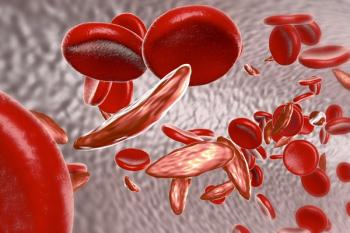
Yale New Haven Hospital’s reorganization of its sickle cell disease program led patients to report feeling better off and needing fewer hospitalizations. However, the change left some with the disease still feeling unsatisfied.

In the primary analysis of a phase 3 study, ruxolitinib reduced spleen length and symptoms in patients with myelofibrosis, according to results published in British Journal of Haemotology.

Researchers found that patients with idiopathic pulmonary fibrosis (IPF) are at increased risk of developing several forms of cancer compared with the general population.

Just like in clinical trials, a real-world analysis of patients with psoriatic arthritis who were treated with secukinumab achieved minimal disease activity, as well as other improvements.

Prevention and early screening efforts need to be stepped up for patients with acute heart failure who contract pneumonia while hospitalized.

Krisda H. Chaiyachati, MD, MPH, MSHP, discusses the study he co-wrote entitled “Economic Outcomes of Insurer-Led Care Management for High-Cost Medicaid Patients.”

Tisagenlecleucel, sold as Kymriah by Novartis, met its primary end point of complete response rate (CRR) in an interim analysis of a phase 2 study for relapsed or refractory follicular lymphoma (FL).

Patricia Salber, MD, MBA, of The Doctor Weighs In, and Sandeep “Bobby” Reddy, MD, an oncologist at Harbor-UCLA Medical Center and chief medical officer of NantHealth, discuss the clinical care of patients with cancer in the age of COVID-19.

The coronavirus disease 2019 (COVID-19) vaccines that are leading the pack are utilizing a new vaccine technology that has never been approved for human use by the FDA. As a result, there are a lot of unknowns.

Evidence may support a greater comorbidity burden among patients with heart failure with preserved ejection fraction (HFpEF) or reduced ejection fraction (HFrEF), although this finding was shown to be worse among women with HFpEF.

The ruling reversed a lower court ruling regarding the drug discount program for hospitals that serve patients covered by Medicaid.

During the coronavirus disease 2019 (COVID-19) pandemic, clinics have closed to varying degrees. As clinics look to reopen or welcome back patients after a COVID-19 infection, the American College of Rheumatology (ACR) has released advice on strategies for reopening practices as the pandemic continues.

Patients with myeloproliferative neoplasms (MPNs) have high disease burden, and management of their disease can vary widely to include watchful waiting, phlebotomy, or drug therapy.

Patients who have both skin and joint symptoms with psoriatic arthritis have greater disease burden and worse quality of life compared with patients who have joint-only involvement.

The race for a coronavirus disease 2019 (COVID-19) vaccine is one of the most urgent public health challenges, with multiple vaccine candidates entering phase 3 trials and case counts around the world steadily climbing. MJH Life Sciences™ will host a free webinar with the top minds in infectious disease, virology, and vaccinology to discuss the latest trial information on vaccines.


In children with inflammatory rheumatic diseases, tocilizumab can cause serious adverse events (AEs), with children who were younger at disease onset and at time of tocilizumab initiation especially affected.