



Five leading academic cancer centers are assessing the feasibility of implementing the Health Equity Report Card pilot project as a tool that can both meaningfully and feasibly measure and report on equitable care practices.
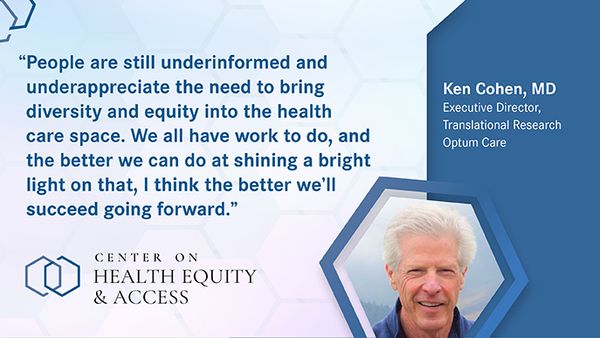
Hear what thought leaders have to share about the Center on Health Equity & Access.
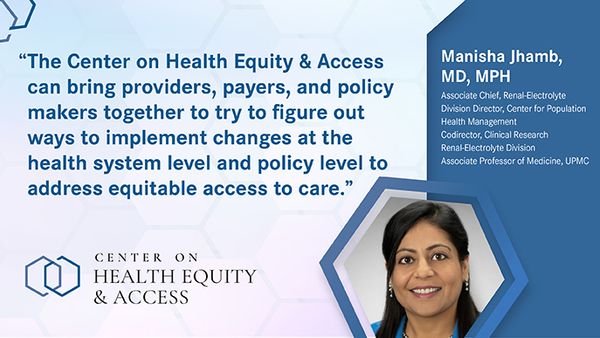
Hear what thought leaders have to share about the Center on Health Equity & Access.
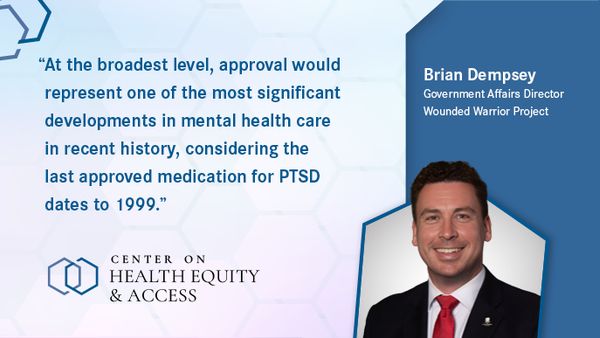
Leaders respond to the complete response letter issued by the FDA, seeking answers and calling for more progress to aid the veteran community and others experiencing PTSD. Learn more with the full article from AJMC®!
Five leading academic cancer centers are assessing the feasibility of implementing the Health Equity Report Card pilot project as a tool that can both meaningfully and feasibly measure and report on equitable care practices.

Sharon Gill, MBA, chief visionary officer, Total Health, reviewed the agenda and key topics to be presented at the West Oncology Conference in Memphis, Tennessee, which takes place February 4-5, 2023.

Despite overall improvements in survival outcomes in recent decades, disparities in survival outcomes persist among children and young adults with acute lymphocytic leukemia (ALL) across racial and ethnic groups.

Paul G. Alexander, MD, MPH, executive vice president and chief health equity and transformation officer, RWJBarnabas Health, discusses how community partnerships helped ameliorate disparities in health care access and accessibility, as well as food and travel insecurities amid the COVID-19 pandemic.

Edward Partridge, MD, chief medical officer of Guideway Care, spoke on his organization’s 25-year history in addressing cancer disparities and the crucial role that care navigators/guides have in achieving value-based care within oncology.

Significant geographical variation was found regarding the prevalence and incidence of epilepsy in United Kingdom primary care data between 2013 and 2018, suggesting a potential relationship between the disease and deprivation.

Terrance Mayes, EdD, and Loretta Erhunmwunsee, MD, FACS, discuss their new roles as chair and vice-chair, respectively, of the National Comprehensive Cancer Network’s (NCCN) new Diversity, Equity, & Inclusion (DEI) Directors Forum.

Amy McMichael, MD, and Maria Lopes, MD, MS, review the major differences in quality of life, the impact on patients, and the costs and burdens associated with absenteeism or presentism.
Amy McMichael, MD, explores why psoriasis can substantially affect quality of life more severely in some ethnicities more than others.

On this episode of Managed Care Cast, we speak with Reverend Paul Abernathy, CEO of the Neighborhood Resilience Project and board member of UPMC for You, who discusses his experiences in promoting health and resiliency in trauma-affected communities, as well as challenges related to access and accessibility of care and medical mistrust.

The United States possesses the highest infant and maternal mortality rates compared with any other high-income country, even though it spends the most on health care.

A recent study has found that the prevalence of vision impairment in US adults 71 years and older was higher in 2021 compared with prior estimates.

First steps include assembling equity data and reaching out to veterans’ advocacy groups.

Large geographical data may offer insight on race and ethnic health inequities across the United States.

The report indicated that the use of a clear definition on health disparities and a framework for analysis are key in the measurement and interpretation of health inequities affecting underserved populations.

Clinical calculators that do not include demographic variables may be biased, and their equity should be understood in the context of clinical guidelines.

To mark the publication of The American Journal of Managed Care®’s 12th annual health IT issue, on this episode of Managed Care Cast, we speak with Christopher M. Whaley, PhD, health care economist at the RAND Corporation, who focuses on health economics issues, including the influence of the COVID-19 pandemic on health care delivery.

Richard L. Martin III, MD, MPH, spoke on the goals he has in his new role as medical director of health equity and community engagement at Tennessee Oncology, and what lessons he has learned so far in providing care to underserved communities.
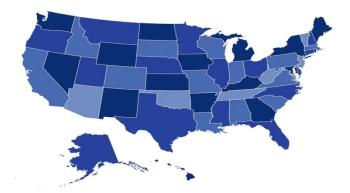
Using data from the Southern Community Cohort Study, investigators compared outcomes between Black and White participants for heart failure risk.

The findings suggest that both high-risk patients and high-risk regions should be considered in clinical and policy strategies to facilitate timely breast cancer care.
Bruce Sherman, MD, FCCP, FACOEM, explores how to improve treatment for psoriasis and education surrounding diagnosing psoriasis for all skin phototypes.
Amy McMichael, MD, and Maria Lopes, MD, MS, review factors to evaluate when starting treatment and how to educate patients on the possible adverse events from that treatment.
Paul G. Alexander, MD, MPH, executive vice president and chief health equity and transformation officer, RWJBarnabas Health, spoke on population health management strategies employed by his organization to identify and address health disparities in the communities they serve.

Following member surveys, expert interviews, and roundtable discussions, the American College of Allergy, Asthma, and Immunology (ACAAI) has released new recommendations for overcoming care disparities among those who have atopic dermatitis (AD) and food allergies.
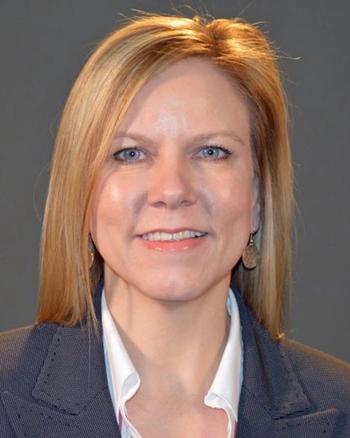
Jodi Fenner, senior director at Elevance Health, speaks on the key themes she presented during her session at the 2023 Health Equity Summit in San Diego, California, titled, "Promoting Health Equity through Primary Care."