




Clinical
Latest News
Advertisement
Latest Videos





CME Content


Advertisement
More News

Photopsia associated with camizestrant was mostly mild, nondisabling, and reversible, according to Adam Brufsky, MD, PhD, at SABCS 2025.
FDA approval of Nirogacistat for desmoid tumors highlights improved survival rates, quality of life, and manageable side effects for patients.

Zachary Contreras of Sharp Health Plan discusses how predictive tools, artificial intelligence-driven analytics, and digital monitoring can help identify treatment-resistant depression early, enabling timely intervention with dextromethorphan-bupropion and reducing clinical and economic burden.
Explore the evolving landscape of desmoid tumor treatments, including chemotherapy, tyrosine kinase inhibitors, and emerging clinical trials.
Zachary Contreras of Sharp Health Plan discusses how dextromethorphan-bupropion may improve agitation management in Alzheimer disease while reducing healthcare costs and supporting patient-centered care.

New research highlights INCA033989's potential in treating mutCALR-driven essential thrombocythemia and myelofibrosis, achieving significant molecular responses.

A small expert panel was selected to share professional experiences with risk-sharing agreements and advance the cost-effective utilization of continuous glucose monitoring–centered care in type 2 diabetes (T2D).

Erika Hamilton, MD, reports early trial data showing DB-1305/BNT325, a TROP2-targeted ADC, produced encouraging responses in heavily pretreated TNBC patients.

SABCS 2025 will spotlight new advances in breast cancer research while offering networking opportunities to foster connections among attendees.

Panelists discuss how stigma and symptom overlap delay accurate schizophrenia diagnosis and how early intervention can transform outcomes.

Panelists discuss how multidisciplinary collaboration is essential for preventing progression and improving outcomes in MASH care.

Ryan Haumschild, PharmD, MS, MBA, introduces the faculty and sets the agenda to explore disease background, novel therapies, and operational considerations in relapsed/refractory multiple myeloma.
Ryan Haumschild, PharmD, MS, MBA, introduces the faculty and sets the agenda to explore disease background, novel therapies, and operational considerations in relapsed/refractory multiple myeloma.
Panelists discuss how noninvasive risk assessments enable early detection and targeted management of fibrosis in MASH patients.
Panelists discuss how genetics, environment, and substance use interplay to shape schizophrenia risk and guide preventive care.
A new TROP2-targeted ADC showed promising efficacy in an early TNBC trial, with Erika Hamilton, MD, highlighting its potential for broader use in future treatment.

Although a cure is likely still a ways off, continuing to pursue long-acting injectable treatments and PrEP is key to reducing cases of HIV.
Andrew Zelenetz, MD, PhD, discusses how patient characteristics and disease history play into treatment strategy for follicular lymphoma.

Panelists discuss how payer controls and prior authorization policies delay and derail LDL-lowering therapy.
Panelists discuss how PCSK9 inhibitors remain underused due to access, cost, and adherence barriers.
Andrew Zelenetz, MD, PhD, addresses the potential for CD19 antigen loss, the lack of robust data, and the influence of newer, highly efficacious combination therapies on the sequencing decisions in follicular lymphoma.

Hereditary ovarian cancer genes occur across diverse populations, supporting inclusive genetic testing.
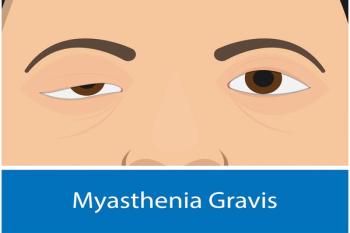
Minimally invasive thymectomy for ocular myasthenia gravis (MG) enhanced complete stable remission rates and reduced surgical risks.

ACIP delayed the vote on the hepatitis B vaccine schedule amid ongoing controversy and misinformation surrounding vaccine safety and infant immunization.

Polarized dermatoscopes produced higher-quality teledermatology images but at greater cost, raising questions about feasibility and equitable access.
Advertisement
Advertisement
Trending on AJMC
1
TrumpRx Launch Brings Savings—and Uncertainty
2
How Do GLP-1 Agonists Fit Into Stroke Care?
3
Addressing Disparities at Every Step of the Stroke Care Pathway: Luke Messac, MD, PhD
4
5 Things to Know About the Oral GLP-1 Era
5