



Clinical
Latest News
Advertisement
Video Series

Latest Videos





CME Content


Advertisement
More News

Smart pill bottles may boost adherence to oral breast cancer therapies through daily reminders and tracking, though cost and technology barriers remain, says Steven Manobianco, MD.
The most pressing questions in ITP involve finding a cure and developing treatments safe for use during pregnancy.

These results were presented during the press briefing ahead of the 2026 American Society of Clinical Oncology Gastrointestinal Cancers Symposium.

Nimbus Therapeutics and Eli Lilly announce their partnership to develop a novel oral drug for patients with obesity and other metabolic disorders.
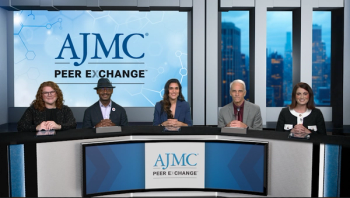
Explore the transformative potential of bispecific antibodies in multiple myeloma, offering hope for improved patient outcomes and possible cures.
Experts discuss the critical challenges in accessing innovative treatments for relapsed refractory multiple myeloma, emphasizing equity and education.

Population demographics and prevention efforts are key drivers of influenza burden, according to Marco del Riccio, MD.
Rilzabrutinib (Wayrilz; Sanofi), a BTK inhibitor, targets immune-mediated platelet destruction in immune thrombocytopenia (ITP) and has demonstrated a favorable safety profile.
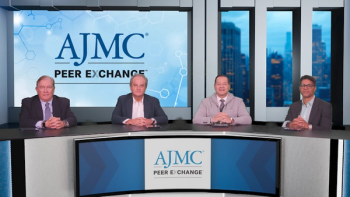
Panelists discuss how integrating xanomeline/trospium into clinical practice may expand safe and effective treatment options.

Shared decision-making—balancing clinical data with the patient's personal, logistical, and risk-tolerance factors—is essential for managing a chronic condition like follicular lymphoma.
Panelists discuss how the muscarinic pathway of xanomeline/trospium offers a safer, nondopaminergic approach to schizophrenia care.

Amrita Basu, PhD, says AI can transform health care by streamlining data, enhancing decision-making, and unlocking insights to improve patient outcomes.

Eric H. Yang, MD, emphasizes the need for collaboration and interventions to protect patients’ hearts during breast cancer treatment.


Molecular ESR1 changes may signal symptomatic progression before imaging in metastatic breast cancer, supporting camizestrant for improved quality of life.
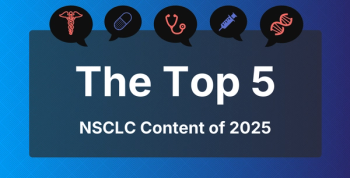
Top articles in non–small cell lung cancer (NSCLC) include FDA approvals, improved outcomes due to certain treatments, and updated data presented at conferences.
These pieces highlight several newly approved therapies that expanded treatment options across multiple disease states.
Panelists discuss how balancing adverse-effect management with adherence optimization drives effective therapy transitions.
Panelists discuss how thoughtful sequencing of antipsychotics enhances adherence, safety, and long-term efficacy.
New therapies and individualized care plans for menopausal women highlighted the most-read 2025 SABCS coverage.
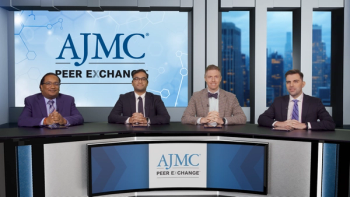
Discussion of patient selection criteria, logistical challenges, toxicity management, and when to favor each immunotherapy approach.
Examination of how combination therapy and next-generation immunotherapies are poised to redefine RRMM treatment over the next 5 years.
Our top dermatology content of 2025 highlights AI wearables, new biologics, emerging vitiligo treatments, and strategies for rare and complex skin diseases.
ASH 2025 highlighted innovative cancer treatments, including in vivo CAR T therapy and options that enhance quality of life while reducing burdens.
Advertisement
Advertisement