






Clinical
Latest News
Advertisement
Latest Videos




CME Content


Advertisement
More News

Government agencies have created an online portal for the public to report potential anticompetitive practices in health care; there are changes coming to the “boxed warning” section for chimeric antigen receptor T-cell therapies (CAR T) to highlight T-cell blood cancer risk; questions about the safety of obesity medications during pregnancy have arisen in women on them who previously struggled with fertility issues.

A recent study offers valuable insights into the characteristics, treatment patterns, and outcomes of diffuse large B-cell lymphoma (DLBCL) in patients across different lines of therapy, providing a look into the landscape of DLBCL management.

In their preclinical model, the researchers found efficacy both in vitro and in vivo by using CRISPR-Cas9 to mimic porphyria and combining the technology with light therapy.

A cost-utility analysis conducted from the perspective of the Italian health system found that pegcetacoplan was more effective and less costly than 2 complement 5 (C5) inhibitors for the treatment of paroxysmal nocturnal hemoglobinuria (PNH).

Martina Porter, MD, FAAD, vice chair of research, Department of Dermatology, Beth Israel Deaconess Medical Center, discusses efficacy and safety findings from a phase 2 study.

Yuqian Liu, PharmD, Magellan Rx Management, explores the current space of cell and gene therapies based on real-world data and potential emerging therapies in the future, while expanding upon long-term efficacy concerns.

Half of patients exposed to placebo in clinical trials experienced adverse events (AEs), which may be partially explainable by nocebo effects, according to a recent review and meta-analysis.

Patients opting for elective colorectal surgery to address colorectal cancer (CRC) could have different rates of reoperation and postoperative complications based on the size of the hospital.

Integration of prostate MRI may improve the balance of patient harms and benefits in prostate cancer screening.
Prices for care at hospital trauma centers vary across hospitals; drug shortages reached a record high during the first quarter of 2024; although 3 of the biggest makers of asthma inhalers pledged to cap out-of-pocket costs for some US patients at $35, these do not apply to daily inhalers used by the youngest kids with asthma.

Screening for cognitive impairment among patients with systemic lupus erythematosus (SLE) can be challenging; however, some shorter assessments have shown promise for use in the clinical setting.

COVID-19 likely does not increase the risk of asthma development in pediatric patients, research suggests.

There was greater use of neoadjuvant chemotherapy among US patients with ovarian cancer (OC) during the COVID-19 pandemic to reduce potential COVID-19 exposure and cancer treatment-related complications.

A new study is among the largest real-world analyses to date to assess trends over time and predictive factors for older patients with acute myeloid leukemia (AML) who received allogeneic hematopoietic cell transplantation (allo-HCT).
The Biden administration recently launched the Global Health Security Strategy, a new effort to combat the spread of infectious diseases; lawmakers zeroed in on the risks of massive consolidation in health care during the first congressional hearing on the Change Healthcare hack; the FDA recently announced the recall of a pair of heart devices linked to numerous deaths and injuries.

Patients who responded positively to shunt treatment experienced more beneficial changes in their heart's structure and function compared with nonresponders.
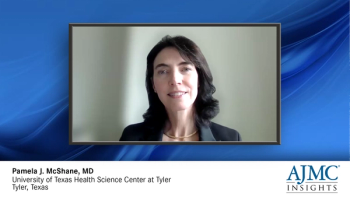
A medical professional addresses the social aspects of bronchiectasis, emphasizing patients' embarrassment due to productive coughing in public spaces like grocery stores and churches, as well as the psychological challenges of planning travel and vacations due to the unpredictability of exacerbations, which can lead to social isolation.

Robert Gabbay, MD, PhD, gives closing thoughts and advocates that continuous glucose monitors should be supplied for all insulin-dependent diabetes patients, including at initial diagnosis, to facilitate self-management and tighter control of this disease.

Patients with atopic dermatitis (AD) may have an increased risk of headache disorder and migraines.

Monica Li, MD, medical and cosmetic dermatologist, explained the efficacy and safety differences between radiofrequency microneedling and traditional microneedling.

Lawrence Eichenfield, MD, chief of pediatric and adolescent dermatology at Rady Children's Hospital in San Diego, shared the implications of the findings from INTEGUMENT-PED, the phase 3 study assessing the efficacy and safety of once-daily roflumilast cream 0.05% in pediatric patients with atopic dermatitis (AD), for future clinical practice.

The panel has an in-depth discussion on improving diversity in clinical trials. They discuss ways to increase minority participation through community partnerships, including providing transportation, lodging, and other resources needed to enable participation.
Pam R. Taub, MD, FACC, FASPC, leads a discussion on implicit bias and mandated trainings for medical license renewal that help eliminate bias and address disparities.
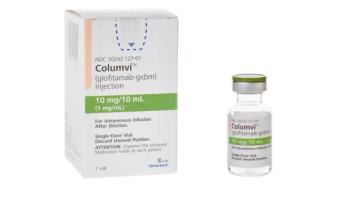
Results show the bispecific antibody is effective in an earlier line of treatment.

Investigators say oral formulations of hypomethylating agents could be a significant advancement for people with myelodysplastic syndromes and acute myeloid leukemia.
Advertisement
Advertisement
Trending on AJMC
1
TrumpRx Launch Brings Savings—and Uncertainty
2
How Do GLP-1 Agonists Fit Into Stroke Care?
3
5 Things to Know About the Oral GLP-1 Era
4
Stroke Subtype Does Not Affect Efficacy of Asundexian for Second Stroke Prevention
5