


Clinical
Latest News
Advertisement
Latest Videos
Advertisement
More News

This review describes the impact of nonmedical switching of biologic therapies on US patients and providers, with a focus on switching to in-class alternatives.

When converting a patient to a biosimilar, having clear and consistent messaging will reduce confusion and prevent patients from having a lack of trust in the process, said Paul Forsberg, PharmD, director of pharmacy, Minnesota Oncology.

However, patient-reported scores were not significantly better in the tocilizumab group.

A small study suggests that comprehensive genomic profiling can help with clinical decision-making and predicting clinical outcomes in advanced biliary tract cancer, but further research is needed.

Despite some differences in the frequency of dermoscopic features between basal cell carcinoma (BCC) and benign skin tumors, dermoscopy alone is not sufficient for a reliable diagnosis, according to a recent study.

Genomic testing can benefit patients with chronic kidney disease (CKD) as more causative genes are identified and evidence for clinical utility is discovered.
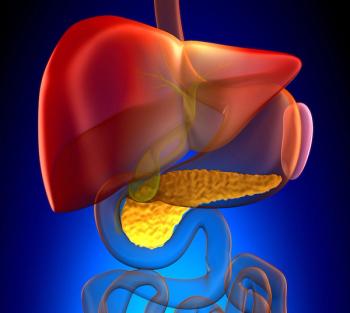
The rare condition can easily be confused with hepatocellular carcinoma, but immunohistochemical studies can help accurately diagnose intrahepatic sarcomatoid cholangiocarcinoma.
Dr Rosmarin illustrates treatment management of vitiligo with the use of JAK inhibitors.
The panel navigates unmet needs surrounding the vitiligo treatment landscape.
The annual report notes that progress in reducing cancer mortality is uneven among populations, with minority groups not seeing the same benefits from therapeutic advances. Cancers related to obesity are also on the rise.
During the Quality Cancer Care Alliance Summer 2022 National Leadership Summit, Hatim Husain, MD, discusses how HER2 exploration in lung cancer differs from that in breast cancer, as well as novel therapies being explored for HER2 and other disease targets.
The panel of experts provide their final insights regarding unmet needs surrounding treatment management of heart failure.
Experts share their thoughts on payer and provider perceptions surrounding affordable HF care, as well as strategies to manage care-associated costs.
Multiple comorbidities lead to an emphasis on multidisciplinary care management when determining the most effective HF treatment strategies.
IMpower010 trial data may influence a significant evolution in treatment of non–small cell lung cancer.
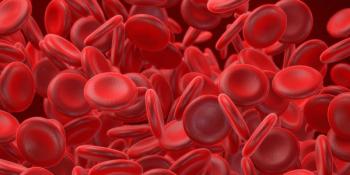
Morbidity and mortality remain high for patients with acquired hemophilia A, and advances in immunotherapy and hemostatic therapy are needed to improve outcomes.
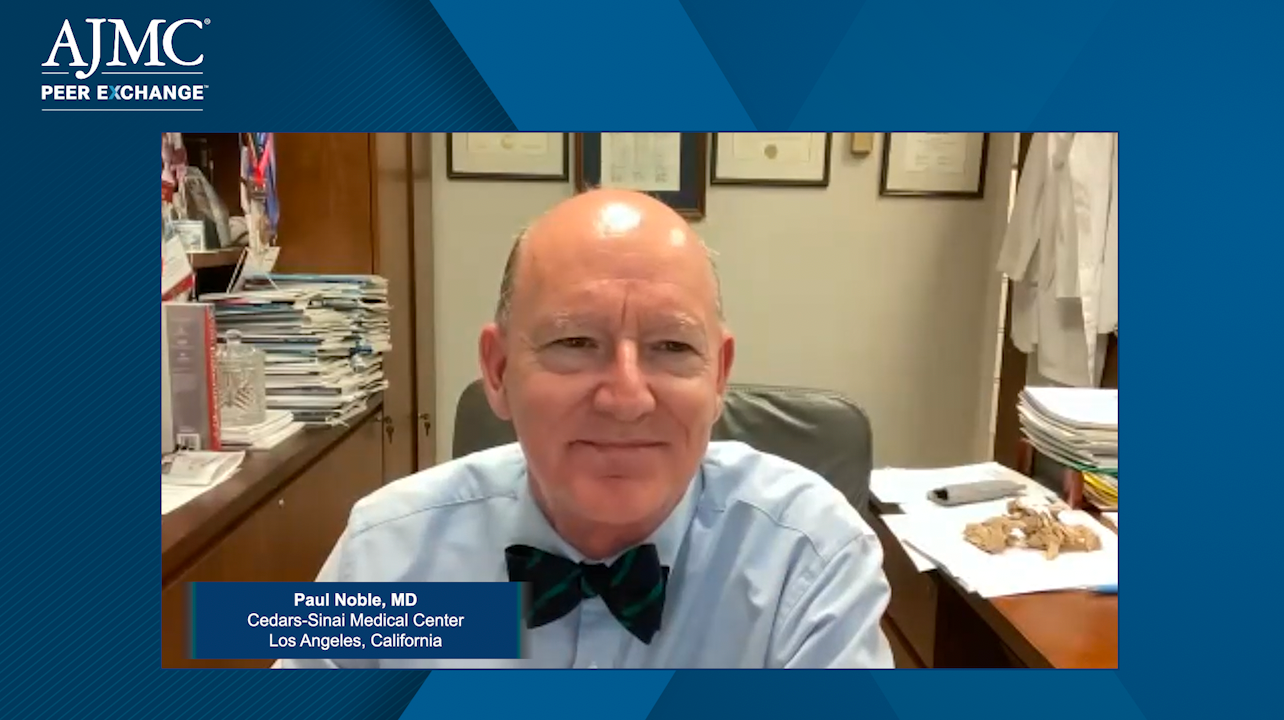
Dr Noble, MD provides and overview of the treatment landscape surrounding ILD, specifically examining IPF, PPF, and SSc-ILD antifibrotic therapy.
Dr Paul Noble, MD discusses updates and changes in ATS-directed guidelines for the treatment of ILD.

With these new findings coming from the EMPOWER-Lung 3 trial, the anti-programmed cell death-1 inhibitor cemiplimab is now just the second of its kind to show efficacy in these patients as both monotherapy and as a combination regimen, regardless of histology.

A new study looks at the balancing act physicians and families must carry out when managing expectations at a time of great scientific advancement in spinal muscular atrophy (SMA) and Duchenne muscular dystrophy (DMD).

Dr Agarwal provides a deep dive into the use of nonsteroidal mineralocorticoid receptor antagonists in CKD therapy.
Dr Feldman concludes the treatment landscape overview by discussing glycemic control, SGLT2 inhibitors, and other important management techniques.
Danielle Carnival, PhD, addressed the National Comprehensive Cancer Network Policy Summit on Friday.

Key stakeholders involved in the delivery of cancer care in New Jersey discuss strategies driving innovation in oncology and remaining challenges impeding their integration at the 70th Annual Roy A. Bowers Pharmaceutical Conference.
At 12 weeks, nearly 8 in 10 patients had significant improvement.
Advertisement
Advertisement
Trending on AJMC
1
Medicare Drug Price Negotiations Yield Uneven Out-of-Pocket Savings
2
Rusfertide Keeps Working Where Hydroxyurea Fades: Andrew Kuykendall, MD
3
CMS Rule Ends Medicaid, CHIP Funding for Pediatric Gender Care
4
Lymphoma Outcomes Hinge on Oncology, Not Viral Load In People With HIV
5