



Clinical
Latest News

Advertisement
Latest Videos




Advertisement
More News

The panel of experts address the economic burden of vitiligo from payer and provider perspectives.

Problematic nail conditions range from nail psoriasis (NP) to paronychia, which are commonly seen in clinical practice and result from infectious, inflammatory, neoplastic and traumatic etiologies.

Orphan drug designation incentives have helped boost enthusiasm for researching and developing drugs for beta thalassemia, a new review concludes.

Following a recent update to the diagnostic criteria for borderline pulmonary hypertension (PH), which is often associated with left heart failure (LHF), outcomes among patients with both conditions remain uncertain.

A recent study attempted to determine the prevalence of eosinophilic esophagitis (EoE) in a group of patients allergic to milk or egg and undergoing oral immunotherapy (OIT) to those foods, as well as describe its management and treatment pathway.

The findings, which contradict prior North American studies, suggest that the incidence rate of the rare cancer continues to increase in the United States.

Quantifying the risk of malignant melanoma from methotrexate use proved difficult in this new study, with the authors calling for larger studies with longer follow-up to guide future practice in the space.

The findings suggest that sequential mutant IDH inhibitor therapy might be one way to fight resistance in metastatic intrahepatic cholangiocarcinoma (IHCC).

This analysis of 5 studies found that, compared with placebo, all biologic regimens improved Psoriasis Area and Severity Index (PASI) 90 response—considered a gold standard goal due to its correlation with quality of life.

A significant portion of patients who receive chimeric antigen receptor (CAR) T-cell therapy experience immune effector cell–associated neurotoxicity syndrome, and this recent study suggests neurofilament light chain protein levels may hold promise as a biomarker to identify at-risk patients.

Paul Sapia, MHA, acknowledges the underdiagnosis in CKD and explains how payers can incentivize screening going forward.
Dr Rajiv Agarwal explains the screening process for patients with CKD, including those who are asymptomatic.

An estimated 1 in 4 patients treated with durvalumab and chemotherapy (gemcitabine plus cisplatin) was alive at 2 years compared with 1 in 10 treated with chemotherapy alone, with these results contributing to the FDA's approval of the first immunotherapy to treat these cancers.

The case emphasizes the importance for clinician awareness of the potential for rare immune-mediated disorders, including acquired hemophilia A (AHA), following allogeneic hematopoietic stem cell transplantation (HSCT).

A new therapeutic paradigm has heightened the need for meaningful measures of assessing patients.

The management of myeloproliferative neoplasms (MPNs) in adolescent and young adult (AYA) patients is currently similar to that of older patients. However, comprehensive research is needed to form guidelines for this younger population.

Experts discuss improving outcomes for patients with heart failure through appropriate and timely switches to ARN inhibitors.
The panel explores clinical evaluations, such as the PROVE-HF study and PARADIGM-HF trial.
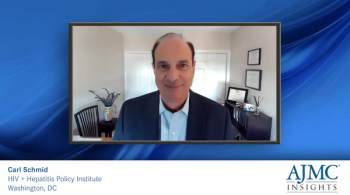
Frank J. Palella Jr, MD, and Carl Schmid continue the discussion of patient selection for long-acting injectable PrEP and its cost effectiveness in comparison with other PrEP modalities.

Dr Lynne H. Milgram starts the conversation on choosing the right candidate for long-acting injectable PrEP, as well as how findings show it is cost effective.
Dr Dunn leads a discussion outlining frontline therapies for the treatment of vitiligo.
Comorbidities and disease states associated with vitiligo are explored by a panel of key opinion leaders.

Post hoc analyses of the phase 3 PEGASUS trial found that clinical and hematological improvements were associated with better patient-reported fatigue and physical function outcomes in paroxysmal nocturnal hemoglobinuria, for an overall bettering of health-related quality of life (HRQOL).
Jeffrey Feldman, MD, details the clinical burden of CKD management, and Bertram Pitt, MD, discusses the impact CKD can have on patients at risk for cardiovascular disease.
Paul Sapia, MHA, explains the economic burden of treating chronic kidney disease.
Advertisement
Advertisement
Trending on AJMC
1
Medicare Drug Price Negotiations Yield Uneven Out-of-Pocket Savings
2
Rusfertide Keeps Working Where Hydroxyurea Fades: Andrew Kuykendall, MD
3
CMS Rule Ends Medicaid, CHIP Funding for Pediatric Gender Care
4
Lymphoma Outcomes Hinge on Oncology, Not Viral Load In People With HIV
5