





Clinical
Latest News
Advertisement
Latest Videos







Advertisement
More News

Expression of the chemokine receptor was linked with better overall survival.

Patients may have unrealistic expectations of how a new treatment or procedure may help them, and the conversation between the patient and physician is crucial for setting expectations, explained Robert G. Fante, MD, FACS, president of the American Society of Ophthalmic Plastic & Reconstructive Surgery and facial plastic surgeon and cosmetic surgeon, Fante Eye & Face Centre in Denver, Colorado.

Davey Daniel, MD, chief medical officer, OneOncology, speaks on the knowledge, infrastructure, and payer-related barriers that are limiting the use of genomic testing in the management of patients with lung cancer.

The study used rats with monocrotaline (MCT)-induced PAH to examine whether adding dapagliflozin, a sodium-glucose cotransporter 2 (SGLT2) inhibitor, would offer any add-on benefit when used with sildenafil.

The study was conducted because information on the relationship between eosinophilic esophagitis (EOE) symptoms and biologic findings are limited, so researchers looked at the long-term effects of esophageal dilation, including patient-reported outcome (PRO) measures.

Alymsys from Amneal Pharmaceuticals and mAbxience is the third biosimilar referencing Avastin approved in the United States and the second of 3 biosimilar approvals Amneal expects in 2022.

A recent study on Hispanics/Latinos in the United States found that lower potassium intake and higher sodium-to-potassium ratios may be more predictive of chronic kidney disease risk.

Delayed diagnosis of wild-type transthyretin amyloid cardiomyopathy (ATTR-CM) results in inappropriate treatments prior to diagnosis and worse clinical outcomes after diagnosis.

News on 2 new CAR T-cell therapies and updates on PARP inhibitors, BTK inhibitors, and biosimilars.
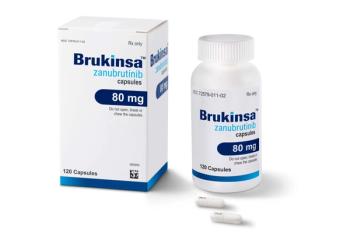
Results of the phase 3 ALPINE trial provided found zanubrutinib was superior to ibrutinib in overall response rate.

While studies have explored risks among patients with multiple myeloma, recent research is the first to compare cardiovascular mortality risk in multiple myeloma to that of the general population.

Experts in behavioral health discuss overcoming barriers to access for alternative therapies for TRD including the Risk Evaluation and Mitigation Strategy (REMS) requirement for intranasal esketamine.
Dr Patricia Ares-Romero and Dr Martin Rosenzweig discuss treatment strategies for TRD, including alternative therapies and explain current barriers within the healthcare system that inhibit access.

Elaine Siegfried, MD, professor of pediatrics and dermatology, Saint Louis University Health Sciences Center, explains current knowledge on the pathology of atopic dermatitis and use of targeted biologic therapies.

The research could pave the way for therapies that target enhancers of disease-related genes.

Editor’s Note: After this issue of Evidence-Based Oncology™ went to press, Bristol Myers Squibb Foundation announced the $100 million, 5-year initiative will now be called the Robert A. Winn Diversity in Clinical Trials Award Program. The program will also receive a $14 million donation from Gilead Sciences, Inc., over the next 4 years.

Researchers presented results for ZB131, a monoclonal antibody that would target cancer-specific plectin (CSP); experiments with mice showed this may be present in more than 80% of the most common types of cholangiocarcinoma.

The researchers found that the prognostic values for both overall and progression-free survival remained even after adjusting for the International Prognostic Index, a widely used prognostic model of outcomes for the disease.

Camille Hertzka, vice president, head of oncology, US Medical, AstraZeneca, clarifies testing for the HRR mutation in metastatic castrate-resistant prostate cancer (mCRPC) and the predictive importance of radiographic progression-free survival (rPFS) for overall survival in this setting.

Based on the analysis of electronic health records from 480 clinics, we found that better care quality and continuity are associated with better-than-expected wound healing performance.

Clinical, Economic Benefits of Pegfilgrastim Biosimilars as Prophylactic Against Febrile Neutropenia
In patients with intermediate- to high-risk, use of pegfilgrastim biosimilars could optimize management of FN risk.
Dr Beveridge explains potential barriers a physician can encounter when implementing RWE into MM therapy.
The panel elaborate on how they’ve incorporated RWE into their decision-making processes for their patients with MM.

Across 3 disease states, dupilumab has been shown to create rapid, clinically meaningful responses that were sustained, which could improve adherence and the patient-provider relationship.
In this study, the authors developed a method for use in primary care to identify a group of patients with complex care needs using Aggregated Diagnosis Groups.
Advertisement
Advertisement
Trending on AJMC
1
Oral JAK Inhibitors Boost Hair Regrowth Odds in Alopecia Areata
2
CMS Rule Ends Medicaid, CHIP Funding for Pediatric Gender Care
3
Medicare Drug Price Negotiations Yield Uneven Out-of-Pocket Savings
4
Panel Calls for Earlier Detection, Clearer Pathways in Rare Glomerular Disease
5