



Clinical
Latest News


Retrospective Study Finds Neovascular Glaucoma Etiology May Affect Surgical Outcomes
By Rose McNulty
Advertisement
Latest Videos


Advertisement
More News

Researchers raise questions on rapid tests' accuracy early in COVID-19 infection; data show dementia prevalence could triple by 2050; COVID-19 vaccines could lead to minor, temporary changes in menstruation cycles.
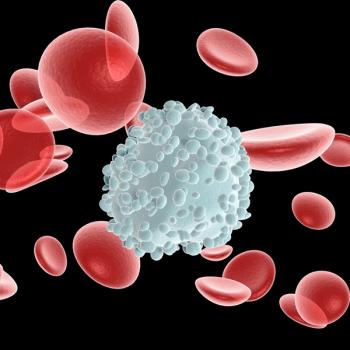
The researchers found that even with low amounts or no amount of neutrophils present in the peripheral blood, patients still exhibited active disease.

Human papillomavirus surrogate marker p16 was identified as a potential prognostic biomarker for standard-of-care immune checkpoint blockade therapy response in non-oropharyngeal head and neck squamous cell carcinoma.
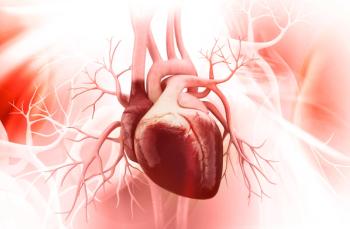
Authors described recent therapeutic developments in heart failure with preserved ejection fraction (HFpEF) and proposed a conceptual framework for more targeted treatment.

David Yeomans, PhD, associate professor of anesthesiology, perioperative, and pain medicine at Stanford University School of Medicine, discusses the challenges of evaluating pain associated with migraine.

This new study from India investigated outcomes as they pertained to preterm birth, low birth weight, and infant growth measures up to 1 year post delivery.

HIV infection and antiretroviral therapy (ART) may influence subdominant gut bacteria in association with immune status in children living with HIV.

Treatment with the interleukin-36 inhibitor spesolimab was associated with improved lesion clearance vs placebo after one week, but also a greater incidence of infection and systemic drug reactions.
The update recommends that patients who receive CAR T-cell therapy wait 3 months before getting a COVID-19 vaccine.

The patient had no obvious pulmonary symptoms, but a routine chest X-ray helped investigators arrive at the diagnosis.

Dr Lebwohl explains how he can recognize who will respond early to psoriasis treatments and who won’t respond at all.
Bhavesh Shah, PharmD, elaborates on switching biologics in psoriasis treatment.

Neutrophil to lymphocyte ratio may indicate the presence of frailty among older adults with multiple myeloma.

Findings of a post hoc analysis revealed a beneficial safety and efficacy profile for erenumab use among migraineurs with aura.
This year’s most-read articles on HIV explored vaccine hesitancy, medication acceptance, cardiac health, and more.

Survival rates for patients with blast-phase chronic myeloid leukemia (BP-CML) are notoriously poor, necessitating effective treatments to fill the care gap for this group who often survive less than 1 year.
The most-read chronic obstructive pulmonary disease (COPD) articles of the year covered use of inhaled corticosteroids, palliative care for advanced COPD, and off-label prescribing of COPD therapies.

With a top treatment recommendation for obese women with polycystic ovary syndrome (PCOS) comprising lifestyle changes via diet changes and physical activity, this study’s investigators evaluated the effects of a ketogenic diet among this patient population.

Robert Rifkin, MD, FACP, a medical oncologist and hematologist at Rocky Mountain Cancer Centers, outlines the importance of studying treatment resistant patients with multiple myeloma.

Researchers found 18 novel and 21 known variants of SMPD1 with disease-causing potential, providing data that may be helpful in prenatal diagnosis of acid sphingomyelinase deficiency in India.
Recent studies show that glucagon-like peptide-1 receptor agonists have anti-inflammatory effects in human and rodent pathological models, making them a potential therapeutic strategy for treating pulmonary arterial hypertension after COVID-19 infection.

Results of a cross-sectional study highlight features linked with high myopia in Dutch individuals.
The top 5 most-read multiple sclerosis articles of 2021 focused on artificial intelligence, sunlight exposure, and COVID-19 risk factors, responses, and guidance for people with multiple sclerosis.
In a year that saw conferences return to in-person venues, the most popular conference coverage on AJMC.com included articles and videos from meetings on oncology, cardiology, dermatology, and more.
David Yeomans, PhD, associate professor of anesthesiology, perioperative, and pain medicine at Stanford University School of Medicine, explains how sodium levels can affect migraine.
Advertisement
Advertisement
Trending on AJMC
1
CMS Rule Ends Medicaid, CHIP Funding for Pediatric Gender Care
2
Oral JAK Inhibitors Boost Hair Regrowth Odds in Alopecia Areata
3
Medicare Drug Price Negotiations Yield Uneven Out-of-Pocket Savings
4
Panel Calls for Earlier Detection, Clearer Pathways in Rare Glomerular Disease
5