



Clinical
Latest News

Advertisement
Latest Videos




Advertisement
More News
Idiopathic pulmonary arterial hypertension and pulmonary hypertension due to chronic lung disease can be difficult to differentiate, but new research suggests descriptions of lung parenchyma in routine CT scans may prove useful.

The overdiagonsis identified in the current study also led to overtreatment in this population, authors found.

New CDC data highlight urban-rural health differences; mental health providers object to some parts of the No Surprises Act; COVID-19–associated stroke most likely within 3 days of diagnosis.

Researchers, as well as a patient who had chronic lymphocytic leukemia (CLL), hailed the findings as a cure, although more work needs to be done to see if the results persist in a larger group of patients.

Our experts tell us how we can support the availability of MRD for more patients.
Dr Patel describes the importance of MRD in value-based care models.

Researchers outlined recommended treatment plans to build back effective levels of nusinersen following treatment gaps.
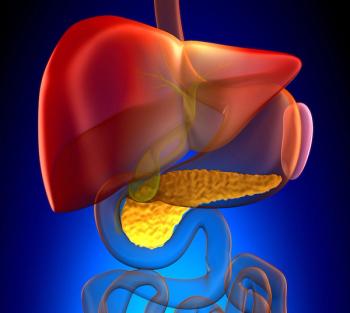
A poster presentation from the 2022 American Society of Clinical Oncology (ASCO) Gastrointestinal Cancers Symposium suggests more research is needed to confirm the optimal treatment algorithms for patients with hepatocellular carcinoma.

Although clinical trials have demonstrated the utility of procalcitonin (PCT) testing and potential benefit on antibiotic stewardship, findings suggest that clinicians do not order PCT testing with regularity and also prioritize clinical judgment over PCT results.

The Biosimilars Initiative in British Columbia, Canada, mandated patients with certain conditions on the province’s prescription coverage plan to switch from originator etanercept to a biosimilar.

A meta-analysis on first-line treatment for non–small cell lung cancer (NSCLC) in clinical trials revealed that inclusion of dexamethasone along side chemotherapy and PD-L1 inhibitors yielded benefits in this patient population.

Sinonasal CT scores were associated with several prognostic features in the disease course of chronic rhinosinusitis with nasal polyps, including blood eosinophil counts and risk of relapse after endoscopic sinus surgery.

New survey findings reveal a significant association between migraine and irritable bowel syndrome.

Robert A. Gabbay, MD, PhD, chief scientific and medical officer at the American Diabetes Association, discusses some of the challenges of treating pediatric patients with type 1 or type 2 diabetes.

There is a persistent lack of effective treatments for heart failure with preserved ejection fraction (HFpEF), so in this study, investigators examined the impact of an atrial shunt among patients with this disease subtype.

This represents the approval of the first bispecific antibody to treat wet age-related macular degeneration (AMD) and diabetic macular edema (DME).

Researchers compiled data from studies of oral Evrysdi (risdiplam), Spinraza (nusinersen), and Zolgensma (onasemnogene abeparvovec), finding evidence that risdiplam may be a favorable alternative to nusinersen for type 1 SMA.
A patient with medication-induced severe acute generalized exanthematous pustulosis responded to treatment with secukinumab after unsuccessful courses of topical and systemic steroids.

Use of a molecular-based allergy diagnostic platform provided new insights into which young children who wheeze will go on to have persistent asthma at age 7 years.

Safinamide belongs to a class of drugs called monoamine oxidase type B inhibitors and is used in conjunction with levodopa to manage OFF periods.

Disease progression was more likely to be the best response to immunotherapy for patients with hepatocellular carcinoma (HCC) and cirrhosis due to nonalcoholic fatty liver disease (NAFLD).

The researchers collected data from over 100 articles of various biomarkers for hidradenitis suppurativa (HS), finding that just 4 were considered to have a high amount of evidence.

Biogen is selling its stake in the biosimilar joint venture to Samsung Bioepis for up to $2.3 billion after first investing in 2012.

A recent case report described 3 pediatric patients with severe asthma whose disease was not managed according to care guidelines and who did not respond to the biologic by the time they began therapy.

In this new study from China, the link between left ventricular (LV) structural changes and mortality following coronary artery bypass grafting (CABG) was investigated among a patient cohort with heart failure with reduce ejection fraction.
Advertisement
Advertisement
Trending on AJMC
1
Oral JAK Inhibitors Boost Hair Regrowth Odds in Alopecia Areata
2
CMS Rule Ends Medicaid, CHIP Funding for Pediatric Gender Care
3
Panel Calls for Earlier Detection, Clearer Pathways in Rare Glomerular Disease
4
Medicare Drug Price Negotiations Yield Uneven Out-of-Pocket Savings
5