





Clinical
Latest News
Advertisement
Latest Videos




Advertisement
More News

Jason Starr, DO, discusses MRD assessments, including: when they are done, where the testing takes place, and how often they are recommended.

Risdiplam is approved for children older than 2 months with spinal muscular atrophy (SMA); an expanded approval would include the youngest infants before they show symptoms.

In this poster presented at the 2022 ASCO Gastrointestinal Cancers Symposium, minimal residual disease (MRD) status as detected by postsurgery plasma cell-free DNA continued its strong track record of being a reliable predictor of disease progression in colorectal cancer (CRC).

Researchers in Turkey analyzed the impacts of mask and disinfectant use among patients with confirmed migraine diagnoses.

David R. Stukus, MD, FACAAI, of Nationwide Children's Hospital and The Ohio State University College of Medicine, and a board member of the American College of Allergy, Asthma & Immunology, discusses guidelines for eosinophilic esophagitis, as well as some disease patterns that may occur.

Findings presented at the 2022 ASCO Gastrointestinal Cancers Symposium showed no significant differences in tissue and plasma genomic profiles of patients with early-onset and late-onset colorectal cancer, but a greater enrichment of the BRCA1 and PTEN mutations were noted in the tissue of those with early-onset disease.

Among the 3 methods used across 478 samples included in the study, next-generation sequencing provided the most favorable results.

A review of 3 common risk assessment tools for pulmonary arterial hypertension (PAH) found they successfully predict survival for up to 5 years after initial diagnosis.

Among the most notable findings were that acute generalized exanthematous pustulosis is typically triggered by antimicrobial agents and may be associated with complications of the liver or kidney for some patients.
Over the 24-year period, there were 57 spinal muscular atrophy diagnoses in 53 families, and a disease birth prevalence of 1 per 8286 births in Estonia.

Throughout their paper, researchers highlighted acne treatment for these patients often involves other considerations—including reproductive health and mental health—and dermatologists should keep these in mind when making decisions for each patient.

Given the heterogeneous nature of breast cancer, biomarkers evaluated throughout treatment help provide a clearer picture of the treatment paradigm.

Recent research suggests targeted memory reactivation might help with facial recognition and name recall, but quality and quantity of sleep may be important factors in effectiveness.

The frequency of several mutations that inhibit response to tyrosine kinase inhibitors and tend to lead to increased disease severity was elevated in Chinese patients with non-small cell lung cancer.

Results of a study conducted among Finnish migraineurs highlight a link between the condition and hypertension.

In a small study, evidence suggested 8-Hydroxy-2'-deoxyguanosine levels negatively correlated with a test of exercise endurance.

Patients whose endurance increases will likely have a higher quality of life and ability to carry out daily functions, the authors said.

Zanubrutinib is a second-generation Bruton tyrosine kinase (BTK) inhibitor that has fewer off-target effects and less cardiotoxicity than ibrutinib, a first-generation BTK inhibitor.

The data published in Scientific Reports are the first to implicate a role for RASGRP4 mutations in B-cell malignancies.

The trastuzumab biosimilar Herzuma was shown to have similar clinical efficacy and safety to the reference product in patients with HER2-positive advanced gastric cancer.

A model developed by researchers in China could help identify patients with non–small cell lung cancer (NSCLC) most likely to benefit from anti– programmed death-ligand 1 (PD-L1) immunotherapy.

An analysis conducted in Japan among patients with acute decompensated heart failure (HF) revealed excessive polypharmacy at hospital discharge is associated with an increased risk of mortality after 1 year.

With no existing respiratory syncytial virus (RSV) vaccine yet, researchers found that a vaccine comparable with the influenza vaccine could prevent tens of thousands of hospitalizations and deaths per year.
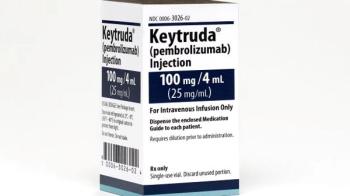
Merck had previously received accelerated approval for pembrolizumab for patients with advanced hepatocellular carcinoma (HCC); an FDA panel left the approval in place while waiting on results from KEYNOTE-394.

Natural killer cell therapy CYNK-101 was granted fast track designation by the FDA to treat HER2-positive gastric or gastroesophageal junction (GEJ) adenocarcinoma in combination with standard chemotherapy, trastuzumab, and pembrolizumab.
Advertisement
Advertisement
Trending on AJMC
1
Oral JAK Inhibitors Boost Hair Regrowth Odds in Alopecia Areata
2
CMS Rule Ends Medicaid, CHIP Funding for Pediatric Gender Care
3
Panel Calls for Earlier Detection, Clearer Pathways in Rare Glomerular Disease
4
Medicare Drug Price Negotiations Yield Uneven Out-of-Pocket Savings
5