





Clinical
Latest News
Advertisement
Latest Videos





Advertisement
More News

Panelists discuss how immunoglobulin A (IgA) nephropathy diagnosis requires kidney biopsy with immunofluorescence showing dominant or codominant IgA deposits in the mesangium, often accompanied by C3 and sometimes IgG or IgM.
A panelist discusses how real-world evidence from a large cohort study (n = 31521) presented at AAD 2025 reveals notable differences in treatment patterns, discontinuation rates, persistence, and adherence among psoriasis patients treated with different biologics including tildrakizumab, risankizumab, guselkumab, and ustekinumab, with implications for clinical decision-making based on early versus late disease onset and prior biologic exposure.
Panelists discuss how immunoglobulin A (IgA) nephropathy develops through a complex 4-hit cascade involving aberrant IgA1 glycosylation, anti-glycan antibody formation, immune complex deposition, and inflammatory kidney damage.

Experts agree that telemedicine continues to majorly impact health care post pandemic.

Experts discuss innovations and advancements in bispecific antibodies that could transform their use in the next 5 years.
Experts discuss how bispecifics might be incorporated earlier in the lines of treatment for certain cancers, the steps that can be taken to improve access to bispecific therapies in underserved or rural community settings, and how partnerships among academic centers, manufacturers, and community practices can help accelerate the adoption of bispecific antibodies.
Experts discuss the most promising applications of bispecifics in solid tumors and other emerging therapeutic areas.
Experts discuss how payer and reimbursement considerations affect access to bispecific therapies in different practice settings.
Experts discuss how institutions can address the resource and bandwidth challenges that come with administering complex therapies like bispecifics.

Panelists discuss how standard-of-care antibiotics for uncomplicated urinary tract infections (UTIs) show varying efficacy, with nitrofurantoin and fosfomycin demonstrating superior response rates (85%-95%) compared with trimethoprim/sulfamethoxazole (70%-80% due to increasing resistance) and first-generation cephalosporins (80%-90%), and how cost-effectiveness depends on local resistance patterns, patient adherence to dosing schedules, medication costs and insurance coverage, treatment duration, recurrence rates, comorbidities, and potential adverse effects requiring additional interventions.

Panelists discuss how clinicians should interpret Clinical Dementia Rating-Sum of Boxes (CDR-SB) score changes by correlating numerical shifts with meaningful real-world outcomes, considering both the statistical significance and clinical meaningfulness of changes, recognizing that even modest improvements may represent significant functional preservation for patients, and contextualizing these changes within individual patient circumstances, disease trajectory, and impact on quality of life.
Experts discuss the role of technology, such as electronic health record (EHR) integration, in improving the operationalization of bispecific antibodies.
Panelists discuss how amyloid-targeting therapies for Alzheimer disease represent a breakthrough drug class that works by binding to and removing beta-amyloid plaques through various mechanisms, demonstrating modest cognitive decline reduction in clinical trials while presenting safety considerations including amyloid-related imaging abnormalities (ARIA), infusion reactions, and the need for careful patient selection and monitoring protocols.
Experts discuss why it is critical to have standardized protocols in place for managing cytokine release syndrome (CRS) in patients receiving bispecific antibodies, outlining the key components of an effective CRS management protocol as well as best practices for transitions of care between settings when administering and managing bispecifics.
Panelists discuss how uncomplicated urinary tract infections (UTIs) are typically managed with empiric short-course antibiotics based on local resistance patterns while identifying significant gaps in the outdated 2010 Infectious Diseases Society of America (IDSA) guidelines, including insufficient guidance on emerging resistance trends, limited recommendations for alternative therapies, inadequate consideration of patient-specific factors, absence of antimicrobial stewardship protocols, and minimal direction on prevention strategies for recurrent infections.
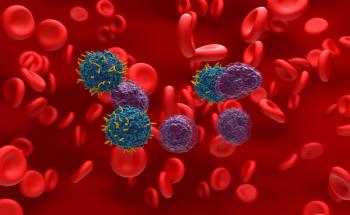
In this comparative analysis, patients with relapsed/refractory large B-cell lymphoma (R/R LBCL) received bridging therapy via radiation or systemic treatment while their chimeric antigen receptor T-cell therapy (CAR T) was being manufactured.

Claims data reveal larger hemoglobin A1c decreases in people with type 2 diabetes who use continuous glucose monitoring and semaglutide compared with semaglutide alone.

The most common surgical complications in obese patients with epithelial ovarian cancer (EOC) include wound infection, intestinal problems, and a higher 30-day readmission rate.

Astrasentan becomes the first and only endothelin A receptor antagonist to focus on proteinuria reduction in primary immunoglobulin A (IgA) nephropathy.

The topical ocular drug is an investigational new drug candidate that requires more well-controlled studies to establish efficacy, according to the FDA.

Dan Nardi, MS, CEO of Reimagine Care, claims that on-demand cancer treatment via telehealth is the future of oncology care delivery.

In part 3 of a discussion with Andrew Kuykendall, MD, Moffitt Cancer Center, he talks of rusfertide’s ability to enable patients to live a more viable life and free them from being tethered to the need for regular phlebotomies.
The long-term impact of disruptions in oncology care during the COVID-19 pandemic will become more apparent in the coming years, according to Dan Nardi, MS, of Reimagine Care.

These are data to week 26 on the monoclonal antibody and antineoplastic agent; data out to week 52 of the MINT trial will be presented in a late-breaking oral session at the upcoming American Academy of Neurology Annual Meeting.
Panelists discuss how immunoglobulin A (IgA) nephropathy represents a complex glomerular disease characterized by IgA deposition in the mesangium, with a wide spectrum of clinical presentations ranging from benign hematuria to progressive kidney failure requiring comprehensive management strategies.
Advertisement
Advertisement
Trending on AJMC
1
CMS Rule Ends Medicaid, CHIP Funding for Pediatric Gender Care
2
Oral JAK Inhibitors Boost Hair Regrowth Odds in Alopecia Areata
3
Coroner Reports Pennsylvania's Sixth Measles-Associated Death
4
Panel Calls for Earlier Detection, Clearer Pathways in Rare Glomerular Disease
5