






Clinical
Latest News
Advertisement
Latest Videos





Advertisement
More News

Patients with moderate to severe psoriasis may benefit from weekend cyclosporine treatment (WCT) as a maintenance therapy, according to one study.

Having a higher magnesium depletion score (MDS) independently predicts increased all-cause and cardiovascular mortality risks in US patients with hypertension (HTN), emphasizing the importance of early HTN prevention and magnesium deficiency management.

An abstract presented at the 2024 American Society of Clinical Oncology annual meeting showed that patients treated with zanubrutinib or acalabrutinib had more favorable safety and efficacy outcomes.

A small retrospective study found that combining obinutuzumab with radiation therapy may offer a viable and well-tolerated treatment option for patients with refractory diffuse large B-cell lymphoma (DLBCL).

The latest approval of lisocabtagene maraleucel (liso-cel) in mantle cell lymphoma provides another treatment option and continues the tremendous advances in treatment for patients, said Christopher Flowers, MD, of MD Anderson Cancer Center.

The authors said their analysis should help clinicians better monitor patients for potential adverse events.

Researchers say their findings will help inform treatment protocols for this patient population, as questions remain about optimal duration of these treatments following first-line treatment with pyridostigmine.

US tuberculosis (TB) programs have helped to identify those with TB and latent TB infection and ensure they completed treatment; FDA advisers instructed that the COVID-19 vaccine Americans will receive in the fall should target the JN.1 strain; lawmakers are divided over the CMS nursing home staffing mandate.

Slowing the loss of ambulation in patients with Duchenne muscular dystrophy (DMD) may also mitigate worsening disease burden and overall function, according to a pair of posters presented at ISPOR 2024.
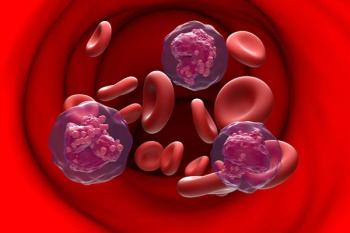
Phase 1 trial results indicate that combining inotuzumab ozogamicin with dose-adjusted EPOCH chemotherapy could offer a safe, well-tolerated, and effective treatment option for patients with relapsed or refractory CD22+ B-cell acute lymphoblastic leukemia or lymphoma (R/R B-ALL).

Neal Shore, MD, FACS, discusses the safety profiles reported across the nadofaragene firadenovec, SunRISe-1, and NURE-COMBO trials, highlighting any unexpected toxicities observed with these novel therapies for non-muscle-invasive and muscle-invasive bladder cancer. Additionally, he reviews key limitations of the study designs or patient populations that may impact the interpretation and generalizability of the results from these trials.
Neal Shore, MD, FACS, discusses how the SunRISe-1 trial design addresses the need for bladder-sparing treatment options for patients with BCG-unresponsive high-risk non-muscle-invasive bladder cancer (HR NMIBC) who are ineligible for or refuse radical cystectomy. He also contrasts the treatment approach and outcomes observed in the NURE-COMBO trial with the current standard neoadjuvant chemotherapy plus radical cystectomy regimen for muscle-invasive bladder cancer (MIBC), discussing how this chemoimmunotherapy combination may potentially expand treatment options for this patient population.

This investigation sprung from a lack of current knowledge on the impact of nonmalignant results following thoracic surgery for lung cancer, according to the authors.

Experts on Alzheimer disease discuss how the introduction of disease-modifying therapies has impacted the treatment landscape.
The panel provides insights on the economic impact of advanced approaches for diagnosing Alzheimer disease, highlighting how payers approach increased costs.

Panelists highlight the need for education and support to help clinicians appropriately prescribe prescription digital therapeutics (PDTs).
The panel discusses the challenges of delivering prescription digital therapeutics (PDTs) to patients, challenges caused by PDTs being considered behavioral health benefits, pharmacy benefits, medical benefits, and durable medical equipment benefits.

The coalition said, however, that patient-reported outcomes (PROs) in the myelodysplastic syndrome (MDS) space will be most meaningful if they are collected rigorously and if the data are transparent.

Medical experts illustrate the nature of hemolysis in PNH and characteristics unique to the disease state.
Dr. Haumschild drives a discussion providing an overview of PNH and pathology of the disease.

The new data shed light on long-term outcomes for patients receiving duvelisib, although the investigators said the treatment landscape has also shifted significantly since the original trial.

This new analysis of nivolumab presented at ASCO 2024 shows the immune checkpoint inhibitor did not convery benefit when added to a regimen of neoadjuvant carboplatin, paclitaxel, and radiation.

Expansion of Medicaid coverage will now include all-in-one mental health and substance use clinics; 61% of adults are estimated to have cardiovascular disease (CVD) by 2050; the FDA has taken a historic step in potential psychedelic drug approval.
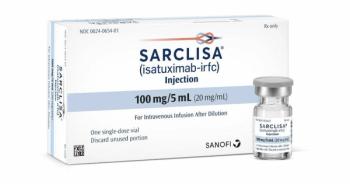
Combining the anti-CD38 monoclonal antibody with a standard backbone triplet should be the new standard of care for newly diagnosed patients not eligible for transplant, said lead investigator Thierry Facon, MD.

The Hospital Frailty Risk Score, Secondary Care Administrative Records Frailty index, and the frailty syndromes measures were able to assess frailty in patients diagnosed with colorectal cancer (CRC).
Advertisement
Advertisement
Trending on AJMC
1
CMS Rule Ends Medicaid, CHIP Funding for Pediatric Gender Care
2
Oral JAK Inhibitors Boost Hair Regrowth Odds in Alopecia Areata
3
Coroner Reports Pennsylvania's Sixth Measles-Associated Death
4
Panel Calls for Earlier Detection, Clearer Pathways in Rare Glomerular Disease
5