






Health Care Delivery
Latest News
Advertisement
Latest Videos







CME Content


Advertisement
More News

Myasthenia Gravis Foundation of America (MGFA) class correlates with activities of daily living and other clinical characteristics on a group level, but individual variability is significant between patients of the same MGFA class.

Promising topline results from a phase 3B study show the efficacy and quality of life (QOL) improvements of iptacopan (Fabhalta) as a twice-daily oral monotherapy for adult patients with paroxysmal nocturnal hemoglobinuria (PNH) who transitioned from anti-C5 therapies.
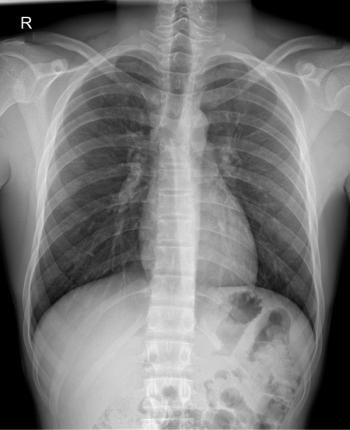
Many roadblocks exist to detecting and assessing pulmonary hypertension (PH) in patients with interstitial lung disease (ILD), but creative thinking and artificial intelligence (AI) may soon help improve the landscape.

Insurance hurdles worsen delays, force abandoned treatments, and result in hospitalizations and deaths, radiation oncologists report nationwide.

Discover strategies for identifying, treating, and supporting those affected by seasonal affective disorder (SAD).

Older adults in the United States are disproportionately affected by health care costs compared with their counterparts in other wealthy nations.

In part 2 of our interview, Cesar Davila-Chapa, MD, discusses key findings, limitations, and future research directions from his study on racial disparities in idiopathic pulmonary fibrosis (IPF) outcomes.

With new CDC data expressing optimism about the epidemic of sexually transmitted infections (STIs), take a look at the current novel approaches in STI care and learn about crucial next steps to combat this public health issue.

Recent insights shed light onto the most effective diagnostic tools for laryngeal myasthenia gravis (MG), a poorly understood and often misdiagnosed condition, is most reliably.

Investigators were seeking clarification on optimal sequencing of the immune checkpoint inhibitor atezolizumab following treatment failure and disease progression after receipt of nivolumab and pembrolizumab.

This analysis provides much-needed robust data on the efficacy of heat-cold therapy for mitigating discomfort and insomnia in restless legs syndrome (RSL).

The Center on Health Equity & Access highlights news and expert insights on research, social determinants of health, and health policy.

Despite found associations, due to small sample sizes the researchers suggest readers interpret their findings with caution.

With ponatinib (Iclusig) receiving an accelerated approval from the FDA earlier this year for the treatment of Philadelphia chromosome-positive acute lymphoblastic leukemia (Ph+ ALL), updated guidelines could be on the horizon.

While name brands like Adderall and Vyvanse may have been recently removed from the FDA Drug Shortage Database, it's unclear if it'll last; meanwhile, many generic forms of attention-deficit/hyperactivity disorder (ADHD) medication are still in short supply.

The authors emphasize the value of subgroup analyses for tracking patterns in spinal muscular atrophy (SMA), as opposed to drawing mean conclusions across entire cohorts.

Accompanying these findings is a call for refined treatment strategies that have potential to better outcomes among patients who have unresectable stage III non–small cell lung cancer (NSCLC).

State-level maternal health scores varied greatly in the 2024 March of Dimes report card, with Vermont getting the only A grade on preterm birth rates.

If made official, the proposed rule would give Part D and Medicaid beneficiaries expanded coverage to antiobesity drugs starting in 2026.

The FDA approval marks the first oral solution indicated for patients with different forms of leukemia.

In the most recent update to the National Comprehensive Cancer Network (NCCN) guidelines for treating patients who have multiple myeloma, a quadruplet regimen became the preferred first-line treatment option for transplant-eligible and -ineligible patients.

Patients with treatment-resistant central centrifugal cicatricial alopecia saw improvement in symptoms and gene expression, suggesting the potential of metformin as a new treatment option.

In the US, liraglutide, semaglutide, and tirzepatide are currently under investigation for their ability to stimulate weight loss, with their safety and efficacy primary outcomes of interest.

Patients experienced similar safety and efficacy if they received first-line or later-line treatment for unresectable hepatocellular carcinoma (u-HCC).

A systematic review has found a potential link between edentulism and sleep apnea risk, although the authors said differences in study designs prohibited a meta-analysis.
Advertisement
Advertisement
Trending on AJMC
1
TrumpRx Launch Brings Savings—and Uncertainty
2
5 Things to Know About the Oral GLP-1 Era
3
Exploring Identity, Appearance Experiences Among Patients With Alopecia
4
Stroke Subtype Does Not Affect Efficacy of Asundexian for Second Stroke Prevention
5