



Health Care Delivery
Latest News
Advertisement
Latest Videos





Advertisement
More News

Patients who see a cardiologist at least once a year are about 24% less likely to die in the following year.

Discontinuing the weight loss treatment before hitting the recommended maintenance dose contributes to low-value care despite provider follow-up and efforts to manage side effects, says Hamlet Gasoyan, PhD, Cleveland Clinic.

Democratic leaders assert the Emergency Medical Treatment and Labor Act (EMTALA) remains vital for emergency care, countering confusion from recent policy changes affecting abortion rights and patient safety.

Remote care reduced readmissions and improved functional outcomes in COPD in a recent study.

Shorter venetoclax durations in patients with acute myeloid leukemia (AML) and myelodysplastic syndromes (MDS) yielded comparable survival outcomes in a new study, challenging treatment norms.

This study highlights the vital role of caregivers in supporting women living with pulmonary arterial hypertension (PAH) and underscores the need to enhance caregiver support and address unmet needs to improve patient outcomes.

Merrill H. Stewart, MD, Ochsner Health, outlines the financial, logistical, and reimbursement barriers slowing the adoption of cardiac stress testing, but growing recognition of its long-term value could drive wider use.

The country has seen historic reductions in uninsured rates and improvements in affordability since the implementation of the Affordable Care Act, the Commonwealth Fund scorecard shows.

Andrew Evens, DO, MBA, MSc, deputy director for clinical services and chief physician officer, Rutgers Cancer Institute, introduces New Jersey's new state-of-the-art facilities at the Jack & Sheryl Morris Cancer Center.

Engaged hospital leadership enhances the adoption of health-related social needs initiatives, driving progress toward health equity and improved patient care, according to a new study.

Learning the best type of HIV prevention for those at highest risk can start with conversations about their options, writes Zandraetta Tims-Cook, MD, MPH, AAHIVS
Explore how health equity and policy shape outcomes, revealing disparities in kidney disease, atopic dermatitis, and cancer care for vulnerable populations.

Sessions and posters at the 2025 European Hematology Association Congress evaluated the potential and real-world practices of using artificial intelligence (AI) to predict and improve outcomes for patients with hematological diseases.

The announcement of the new members of the CDC Advisory Committee on Immunization Practice comes days after the HHS secretary removed all previous members of the panel.

Race-free kidney function equations may underestimate risks for Black adults according to a new analysis.

Mansi Shah, MD, discusses the role of stem cell transplant in multiple myeloma (MM) and the logistical barriers to wider adoption of bispecific therapies.

Treprostinil palmitil inhalation powder (TPIP) for pulmonary arterial hypertension (PAH) showed promising results in a midstage clinical trial, significantly improving key measures of heart and lung function.

Constance Blunt, MD, medical oncologist, Mary Bird Perkins Cancer Center, discusses the potential consequences of losing free health care screening coverage.
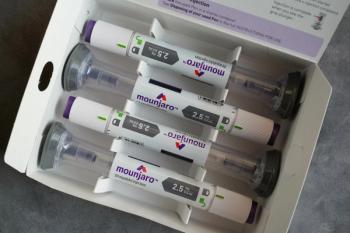
Patients who remained on treatment, especially at higher doses or on tirzepatide, were more likely to achieve clinically meaningful weight loss and improved glycemic control.
Julia Lucaci, PharmD, MS, of Becton, Dickinson and Company, discusses the benefits of blister packaging for chronic medications, advocating for payer incentives to boost medication adherence and improve health outcomes.

HHS Secretary Robert F. Kennedy Jr has disbanded the Advisory Committee on Immunization Practices, aiming to restore trust in vaccines amid concerns over politicization and integrity.
Trump's sweeping health care overhaul faces scrutiny, risking coverage for millions while igniting bipartisan tensions over fiscal and social impacts.
Merrill H. Stewart, MD, Ochsner Health, explains misconceptions about stents and bypass surgery and highlights when cardiac positron emission tomography (PET) stress testing is most appropriate.

While citing overwhelming barriers patients in rural areas face when accessing care, providers noted the potential of telehealth to improve access in a survey.

The Congressional Budget Office estimates the package would add $2.4 trillion to the national deficit over a decade and leave 10.9 million more Americans without health insurance.
Advertisement
Advertisement
Trending on AJMC
1
FDA Expands Finerenone Approval to CKD Associated With Type 1 Diabetes
2
Twice-Yearly CD19 Therapy Targets MG Root Cause: Richard Nowak, MD, MS
3
GLP-1 Receptor Agonists Cut Ascites, Mortality in MASH
4
Hepatitis A Vaccine Prevents 96% of Infections Given Before Exposure
5