






Health Care Delivery
Latest News
Advertisement
Latest Videos





Advertisement
More News

Approximately 1 million Aetna members will need new coverage with the announcement that CVS will be leaving the Affordable Care Act (ACA) individual exchange business next year.

Experts emphasize the need for enhanced clinical trial infrastructure in community oncology to ensure equitable access to innovative therapies for all patients.
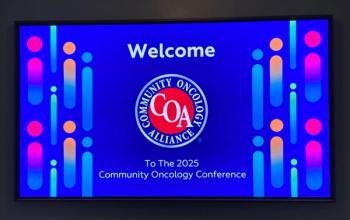
Oncology leaders from Alliance Cancer Specialists, American Oncology Network, CHI St. Vincent, Memorial Sloan Kettering Cancer Center, and New York Cancer & Blood Specialists discussed the power of collaboration in cancer care, highlighting partnerships that enhance patient outcomes and resource sharing in community practices.

Jon Giles, MD, speaks to the power of personalized medicine and multidisciplinary care to enhance treatment for patients with rheumatoid arthritis (RA).

Significant unmet needs were found among high-quality validation studies on the internal structure of patient-reported outcome measures (PROMs) specific to alopecia areata (AA), a common hair loss condition with substantial quality of life impacts.

A new survey highlights how the mental toll of loneliness trickles down to have very real physical consequences for patients with chronic illness.
Raymond Osarogiagbon, MD, discusses the challenges of implementing lung cancer screening guidelines and the need for increased awareness and access.

Smoking prevalence is projected to decline by 2035, yet health consequences persist due to slower reductions among older adults.

When it comes to treating multiple myeloma (MM), Ajai Chari, MD, argued that more is not always better. More intense treatment regimens, or those with more drugs, don't necessarily guarantee better outcomes.

The Trump administration is proceeding with probes into the national security implications of pharmaceutical imports.

Richard J. Nowak, MD, MS, Yale School of Medicine, explains what some early myasthenia gravis symptoms are and their impact on research efforts.

The continued success of abelacimab throughout the AZALEA-TIMI 71 trials helps draw the drug closer to FDA approval, stated Sid Patel, MD.
The future of treating metabolic dysfunction–associated steatohepatitis (MASH) looks brighter than ever, says Naim Alkhouri, MD, as data emerges on newly developed interventions.

Asembia's AXS25 Summit will unite more than 8000 key decision-makers to explore pharmacy innovation, artificial intelligence, policy, and patient care from April 27 to May 1 at Wynn & Encore in Las Vegas, Nevada.

Emergency departments (ED) struggle to screen for social determinants of health, inhibiting quality care and impacting health disparities among vulnerable populations.

For patients with complex needs and social challenges like unstable housing, the hospital has become their de facto medical home—yet each visit is a fragmented restart, without continuity, context, or a clear path forward.

"Value" in oncology should measure far more than clinical outcomes, stated Andrew Chapman, DO, as he argued how rethinking "value" could not only enhance patient care but also drive down costs.
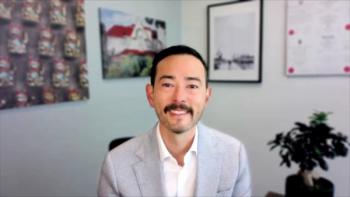
Jaime Almandoz, MD, MBA, of UT Southwestern Medical Center, speaks on results of a study that investigated tirzepatide uptake trends in commercial claims data.

Although immunotherapies and biomarker-driven interventions have transformed lung cancer outcomes, Martin Edelman, MD, Fox Chase Cancer Center, highlighted the present challenge hindering clinicians' abilities to anticipate patients' treatment responses.

The case, which has implications across preventive care, is now an argument between Robert F. Kennedy Jr, the Secretary of HHS, and Braidwood Management.

Telemedicine was associated with a monthly avoidance of greenhouse gas emissions equivalent to the emissions of 61,255 to 130,076 passenger vehicles.
On this episode of Managed Care Cast, Brady Post, PhD, lead author of a study published in the April 2025 issue of The American Journal of Managed Care®, challenges the claim that hospital-employed physicians serve a more complex patient mix.

An analysis of an interdisciplinary care model for managing chronic kidney disease (CKD) shows hospital admissions dropped by 26% and emergency department (ED) visits decreased by 30% after clinic initiation.

Despite recent declines, health care worker burnout has not returned to prepandemic levels and remains a persistent concern across roles and settings.
This week, the Center on Health Equity & Access covered artificial intelligence, diabetes clinical trials, racial disparities in cancer antigen thresholds, and more.
Advertisement
Advertisement
Trending on AJMC
1
FDA Expands Finerenone Approval to CKD Associated With Type 1 Diabetes
2
Twice-Yearly CD19 Therapy Targets MG Root Cause: Richard Nowak, MD, MS
3
GLP-1 Receptor Agonists Cut Ascites, Mortality in MASH
4
Across the US, Obesity Care Still Lacks an Owner
5