



A study of the Austrian general population found that most chronic cough cases could be assigned a phenotype through a simple survey-based assessment that could help target treatment to individual cases.


What We're Reading: Decision Date on COVID-19 Vaccine for Young Children; AAP Guidance Review; FDA Rebuffs 2 Cancer Therapies
A study of the Austrian general population found that most chronic cough cases could be assigned a phenotype through a simple survey-based assessment that could help target treatment to individual cases.

Among a group of patients with lung cancer who were not suitable for anticancer treatment, the researchers found that 40% underwent additional investigations after their initial CT scan before eventually receiving best supportive care.
Investigators from Malaysia utilized data from real-time continuous glucose monitoring (CGM) among study participants who were considered overweight or obese to evaluate their risk of type 2 diabetes (T2D) associated with a rice-based meal and its impact on postprandial hyperglycemia.

Stephen Rozzo, PhD, associate vice president and head, Biologics Medical Affairs, Sun Pharma, North America, discussed next steps in the evaluation of tildrakizumab for the treatment of psoriasis.

A small retrospective study examined outcomes in patients with eosinophilic esophagitis (EoE) who did respond to solo therapies.

A recent study found chronic kidney disease (CKD) to be an independent risk factor for incident heart failure with reduced ejection fraction (HFrEF) following percutaneous coronary intervention (PCI).

Patricia Deverka, MD, MS, senior researcher, deputy director at the Center for Translational and Policy Research and Precision Medicine, University of California San Francisco, explains what multicancer early detection tests currently exist and the research needed to understand their clinical utility.

Researchers in Pennsylvania conducted a randomized controlled trial to understand the effect of patient outreach on lung cancer screening rates.

Use of dupilumab was associated with significant improvement in clinical symptoms of chronic rhinosinusitis (CRS) with nasal polyps among real-world patients in Canada, with benefits shown to be similar to that observed in randomized clinical trials.

Robert Sidbury, MD, MPH, chief, Division of Dermatology, Seattle Children's Hospital, spoke on the mental health comorbidity risk linked with atopic dermatitis and how dermatologists can play a role in managing behavioral care needs of at-risk patients.

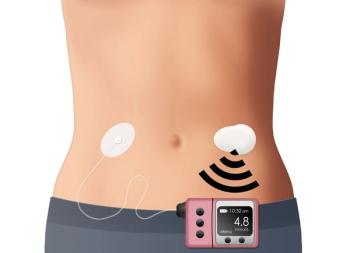
This systematic review and meta-analysis used a literature search to gather data from long-term randomized controlled trials on the effectiveness of closed-loop insulin systems (CLS) among nonpregnant patients with type 1 diabetes (T1D).

In this new subanalysis of data from the Atherosclerosis Risk in the Communities study, investigators assessed the risk of incident heart failure (HF) or death by race and sex, as influenced by N-terminal pro–B-type natriuretic peptide (NT-proBNP) concentration, prompted by growing interest in its use as a predictive biomarker for HF.

Chronic kidney disease is the fastest-growing noncontagious disease in the United States. On this episode of Managed Care Cast, we speak with Mike Spigler, vice president of patient support and education for the American Kidney Fund, who is spearheading the Unknown Causes of Kidney Disease Project, which aims to help underserved patients get to the root cause of their kidney disease, while also helping to solve this mystery for a broader patient population.

There may be a small, but not overwhelming, benefit for certain individuals aged 40 to 59 years who have a slightly elevated risk of future cardiovascular disease (CVD) to start taking aspirin, according to an update released by the US Preventive Services Task Force (USPSTF).

Elevated prevalence of post-traumatic stress disorder seen in family members of patients with COVID-19 treated in intensive care units; 9 rare respiratory cancers linked with burn pit exposure among veterans; adenovirus suggested as potential cause of unexplained cases of pediatric hepatitis.

More patients with atopic dermatitis achieved mild disease severity by 1 month of treatment with adjuvant dupilumab and tacrolimus vs dupilumab alone.

The US government is increasing access of Pfizer's COVID-19 antiviral pill to all pharmacies nationwide; stark hospitalization rates in unvaccinated children; a steady increase observed in US influenza cases and hospitalizations.
Patients with chronic rhinosinusitis (CRS) with nasal polyps identified several unmet needs regarding their condition, particularly a lack of public and physician awareness on disease burden and poor sleep quality.

Continual nutrition modification is crucial in patients with moderate to advanced chronic kidney disease (CKD), and more interactive at-home solutions hold potential to improve nutritional nursing models after hospital discharge.

This new study investigated and compared the incidence of disordered eating behavior (DEB) among 2 cohorts of patients with type 1 diabetes (T1D) treated with continuous-subcutaneous insulin infusion (CSII) or a basal-bolus regimen.

By creating a framework for social determinants of health that explores patients’ needs and prioritizes team members’ response, specialty practices can more effectively strengthen health equity, access to care, and health outcomes.

Use of low-value care services during COVID-19 exhibits substantial heterogeneity but, on average, shows declines similar to the use of high-value services; low-value care use lags behind high-value care use in the rebound phase.

To mark the nation's 52nd Earth Day, Robert Feder, MD, outlines how climate change will exacerbate mental health challenges and the importance of global efforts to address the crisis.

Patients with reduced DNA mismatch repair protein expression were more likely to respond to immune checkpoint inhibitors (ICIs), although this study had a small sample size.
Stephen Rozzo, PhD, associate vice president and head, Biologics Medical Affairs, Sun Pharma, North America, discussed findings of 2 phase 4 real-world studies on tildrakizumab, which showed that patients achieved significant improvement in severity and quality of life by week 4 of treatment.