
There is a positive association between having at least 1 chronic disease and adhering to guidelines for breast cancer screening, according to recently published study results.

Maggie is a lead editor for The American Journal of Managed Care® (AJMC®), AJMC.com, and Evidence-Based Oncology, for which she produces written, video, and podcast content covering several disease states. She joined AJMC® in 2019, and she has been with AJMC®’s parent company, MJH Life Sciences®, since 2014, when she started as a copy editor.
She has a BA in English from Penn State University. You can connect with Maggie on LinkedIn.
There is a positive association between having at least 1 chronic disease and adhering to guidelines for breast cancer screening, according to recently published study results.

The decade spanning 2007 through 2017 saw an intensified focus on reducing hospital readmissions among patients with heart failure receiving care in the Veterans Affairs Health Care System.

Despite the CDC’s recommendation, which has been in effect since 1998, study results show that just half of HIV-positive individuals choose to get tested for hepatitis C virus (HCV) in the 12 months following the receipt of their diagnosis.

Coverage from the Community Oncology Alliance Virtual Meeting, held April 23-24, 2020.
Known as a gene therapy pioneer, Zaia has spent almost 40 years at City of Hope, in Duarte, California. He was first drawn by the promise of studying cytomegalovirus. Over the decades, his groundbreaking research has encompassed HIV/AIDS, cellular gene transfer therapy, immunotherapy, bispecific antibodies, and now hyperimmune globulin for workers on the frontlines of the coronavirus disease 2019 (COVID-19) pandemic.

Cases of triple-negative breast cancer (TNBC) account for up to 20% of all cases of the disease, the most common cancer diagnosed in women in the United States.

Study results out of Denmark show that 0.08% of patients with heart failure received a diagnosis of coronavirus disease 2019 (COVID-19) in the time after a country-wide lockdown began on March 12.
Despite initiating antiretroviral therapy, overall and comorbidity-free–associated survival remain below that of the population without HIV.

Study results show a 4% mortality rate among HIV-positive patients who have coronavirus disease 2019 (COVID-19) compared with approximately 17% of patients who also have COVID-19 but are HIV-negative.

Three abstracts presented at this year’s annual meeting of the American Society of Clinical Oncology focused on cardiotoxic effects of cancer treatment and how cardiac disease remains a barrier to effective cancer therapy among patients with cancer and survivors.

Self-reported high levels of physical activity shared a positive correlation with improved mortality and care for patients who underwent chest CT scans for atherosclerosis.

A 20-year follow-up comprising a secondary analysis to an original study shows that high-dose chemotherapy plus hematopoietic stem cell transplant benefit patients with high-risk stage III disease with 10 or more axillary lymph nodes involved.

When used correctly, pre-exposure prophylaxis (PrEP) is effective more than 90% of the time, saving upward of $400,000 per averted HIV transmission.

Close to 6 million Americans live with heart failure, and each of their hospitalizations for the condition carries an average cost of $11,500, or $11 billion in total costs each year.

Previous studies show that up to 75% of women with breast cancer exhibit disease- and treatment-related affects that include poorer cognitive function in the forms of psychological well-being, decision making, and adherence to treatment.

There could be a 46% spike in the incidence of heart failure in the United States by 2030, bringing the total to more than 8 million adults living with the condition and an approximate $69.6 billion hit to the economy.

Of the 1.8 million youth living with HIV around the world, the United States is home to 2000, and many were infected perinatally.

There are more than 50 drug regimens available to treat metastatic breast cancer but little guidance on the best order to deliver them, according to a study published in JCO Clinical Cancer Informatics.

Despite a decline in deaths from coronary heart disease (CHD) in the United States over the past 40 years, CHD is still the top cause of mortality in the United States—especially in low-income counties.
There was a 6% increase from 2005 to 2014 in new HIV diagnoses among gay, bisexual, and other men who have sex with men, according to the CDC and study results published in Journal of Epidemiology and Community Health, and 1 in 6 is estimated to test positive for the disease at some point in his lifetime.

Older age was shown to influence the decision among women to undergo surgery as a treatment option following a diagnosis of breast cancer in the United Kingdom, where the average lifespan was 82.9 years in 2016.
"Our patients are the reasons we do what we do. They are the reason we do the work," said outgoing ASCO President Howard A. “Skip” Burris III, MD, FASCO, FACP, during his opening address on the second day of this year’s American Society of Clinical Oncology conference.

Following decades that saw its popularity dwindle in favor of subpectoral breast reconstruction, prepectoral breast reconstruction is once again on the rise.

The life expectancy of a person living with HIV is approaching that of the general, seronegative population. However, changes to the bacterial environment of the intestinal tract combined with age-associated noncommunicable diseases can lead to chronic inflammation and higher rates of death.

Heart failure is a complicated disease to manage, requiring coordination of these outcomes-related measurements: weight, blood pressure, glycemic index, and medication and diet adherence. Close to half of all patients do not reach the 5-year survival mark after the condition is diagnosed.
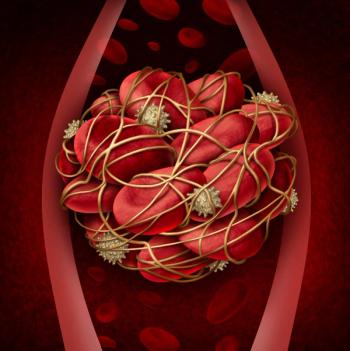
Close to 40 million individuals are infected with HIV globally. A new study describes how some have a higher risk for a first venous thromboembolism that is 2 to 10 times above that of the general population.

In the 2 decades following their diagnosis for ductal carcinoma in situ (DCIS), women in a study out of England demonstrated a greater risk of invasive breast cancer and mortality compared with the general population. Overall, DCIS represents close to 20% of screening-detected breast cancers every year.

To aid in the treatment of cardiovascular disease (CVD), women are more likely to use preventive measures while men are typically treated with surgical interventions. Women are also less likely to die from CVD than men, according to recent study results published in The Lancet.

A majority of women younger than 45 years faced employment and insurance coverage difficulties following treatment for early stage breast cancer, with 35% fearing loss of health insurance coverage if they left their current job during treatment—despite wanting to continue working.
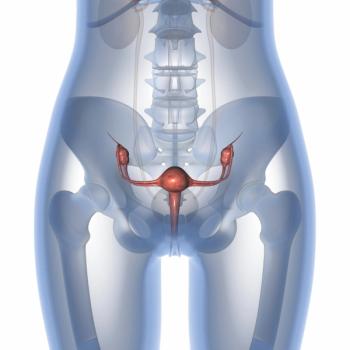
Schistosomiasis is the world’s second deadliest parasitic disease, and it can be linked to contaminated freshwater, with a majority of infections resulting from 3 types of bacteria: Schistosoma mansoni, S haematobium, or S japonicum. It is also a proposed factor for increasing the risk of HIV-1 infection in women.