
A study explores how AI-assisted double-reading in radiology may influence malpractice risk and jury decisions in clinical care scenarios.

Sabrina McCrear is an assistant editor for The American Journal of Managed Care® (AJMC®), which she joined in 2025. She produces written and video content across a range of disease areas and manages social media platforms for The Center for Biosimilars, an AJMC® publication.
Sabrina holds a B.A. in Journalism with a minor in Biology from Howard University in Washington, D.C. You can connect with her on LinkedIn.
A study explores how AI-assisted double-reading in radiology may influence malpractice risk and jury decisions in clinical care scenarios.
Noah Greenspan, DPT, discusses how oxygen therapy, detailed evaluation, and trial-and-error approaches may help manage long COVID symptoms.
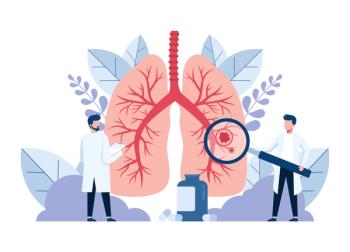
Deupirfenidone received orphan drug designation from the FDA and European Commission for idiopathic pulmonary fibrosis treatment.
Michael Bernstein, MD, discusses how AI-assisted radiology workflows affect liability, automation bias, and patient safety in diagnostic imaging.

The 2026 V-BID Summit showcases strategies to make health care more affordable, equitable, and outcomes-driven.

A mock jury study suggests AI-assisted double reads may reduce perceived radiologist liability in malpractice cases.

A study of 46 million visits finds telemedicine remains above prepandemic levels, but older adults and minority groups are less likely to use virtual care.
Noah Greenspan, DPT explains challenges diagnosing long COVID and strategies like pacing, compression, and electrolytes to support recovery.
April Armstrong, MD, MPH, discusses choosing AD therapies, JAK inhibitor safety, response measures, and emerging treatments shaping the field.
The FDA approved kinase inhibitors, biologics, a pancreatic cancer device, GLP-1 updates, and a new ultrarare disease pathway in February 2026.

Experts examine evolving long COVID definitions, risk factors, diagnosis challenges, vaccine impact, and workforce effects.

Nurse understaffing linked to higher in-hospital mortality, 30-day readmissions, and longer stays.
Kevin Ma, PhD, discusses new data showing 2024–2025 COVID-19 vaccines reduced hospitalization and severe outcomes.

Over 15,000 NYC nurses ratified new contracts after a 41-day strike, securing staffing protections, salary increases, and safety reforms.
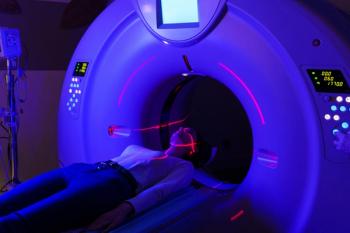
Phase 2 trial finds 5-day preoperative RT in high-risk STS shows comparable wound complication rates and acceptable toxicity.

Higher local recurrence growth rates and high-grade tumors were linked to increased disease-specific death after resection.
2024-2025 COVID-19 vaccines reduced hospitalization risk by 40% against JN.1 lineage variants.
Updated NCCN pediatric STS guidelines emphasize risk stratification, imaging, multimodal therapy, and clinical trial enrollment to improve outcomes.
Learn what sickle cell disease is, who it affects most, today’s treatment options, and how cost and inequities limit access.
A systematic review finds that diagnostic discordance in bone and soft tissue sarcoma may reduce survival, supporting expert second opinions.
Advances in sickle cell therapies, including gene editing, offer hope—but racial disparities, cost, and access barriers remain major challenges.
A new study links telomere length and polygenic risk scores to IPF development, highlighting genetic drivers beyond rare variants.
A new study links telomere length genetics to IPF risk, showing how rare variants and polygenic scores may guide future screening and precision care.
Sarah M. Lima, PhD, MPH, on how historical redlining continues to shape breast cancer survival disparities through treatment access and innovation.
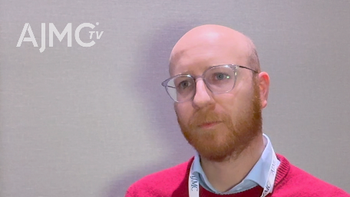
Ricciuti explains why advanced adoptive cell therapies require major infrastructure, toxicity management, and strong academic–community collaboration.

Study finds breast cancer survival gaps tied to historical redlining narrowed over time, though newer therapies may be widening disparities again.
Biagio Ricciuti, MD, discusses how access challenges and toxicity concerns slow the rollout of new T-cell engager therapies from academic centers into community oncology.
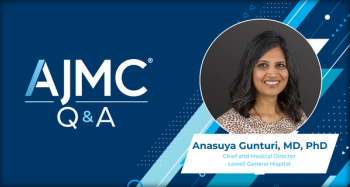
Anasuya Gunturi, MD, PhD, explains how academic–community partnerships help deliver complex oncology services closer to home.
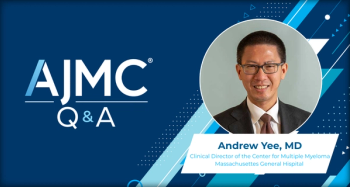
Andrew Yee, MD, explains how academic centers can share practical oncology best practices that community hospitals can implement sustainably.

Community-academic collaboration can reduce access burdens and strengthen continuity of care, says Anasuya Gunturi, MD, PhD.