





The case illustrates how these 2 different conditions may share a related mechanism of action.
The case illustrates how these 2 different conditions may share a related mechanism of action.

Although 90% of patients with severe asthma choose to continue using a biologic, patients with worse disease control at baseline or with lower socioeconomic status (SES) may be more likely to cease biologic use, according to a poster presented at the American Academy of Allergy, Asthma & Immunology 2021 Annual Meeting.

Use of a specialty pharmacy to take over the management of prior authorization (PA) requests for a dermatology practice significantly reduced the time to a decision and also decreased the time it took to fill the medication.

Treatment of asthma with biologics was lower for those on public health insurance compared with those who had private insurance, with Blacks underrepresented relative to Whites in publicly insured visits where biologic treatment is used.

Significant differences in health characteristics may provide insight into why females are far more likely to suffer asthma than males

Temperature and transepidermal water loss can serve as objective measures to help determine severity of cases of atopic dermatitis (AD) psoriasis and identify which patients need intensive treatment, according to a new study.
A recent review explores the use of biologics in atopic and inflammatory conditions as well as lingering research gaps.

Mepolizumab and benralizumab are both potent targets of the interlukin-5 pathway with the ability to significantly reduce eosinophil counts, according to new research published in Allergy, Asthma & Clinical Immunology.

A review explored the potential role of eosinophils and their mediators in the pathophysiology of chronic rhinosinusitis (CRS) subtypes.

Matthew J. Zirwas, MD, a dermatologist in Ohio, discusses how dermatologists may stratify patients with atopic dermatitis (AD) with the launch of new biologic treatments in 2021.

The review of 32 studies revealed that biologic treatment tended to favor patients with allergic bronchopulmonary aspergillosis (ABPA) and asthma rather than those with cystic fibrosis (CF).

In addition to significant morbidity and impaired health-related quality of life, patients with atopic dermatitis have a significant out-of-pocket (OOP) financial burden related to their disease.

This year, the most popular articles and interviews related to the role of inflammation in asthma and other conditions touched on the mechanisms of inflammation, patterns of inhaler use, and the real-world impacts of the monoclonal antibody dupilumab.

The analysis reviewed the safety and efficacy among patients in Japan to confirm the findings of the overall study population.

The treatment landscape for atopic dermatitis is beginning to change from the use of topical therapies to biologics and more, said David Pariser, MD, senior physician at Pariser Dermatology Specialists and professor at Eastern Virginia Medical School Department of Dermatology.

Older adults are often at greater risk for adverse events from treatments, but they can also be excluded from randomized controlled trials (RCTs), making it difficult to know if findings are generalizable to this population.

This article describes food allergy–related service utilization and identifies factors associated with guideline-informed care among Medicaid-enrolled US children with food allergy.

Investigators concluded that use of a new registry could aid in the recruitment of pediatric subjects with severe asthma and the design of future clinical trials for emerging biologics.
The comorbidities associated with atopic dermatitis can be substantial, and the disease can have a significant burden on quality of life, but new biologics and other future treatments may help, said David Pariser, MD, senior physician at Pariser Dermatology Specialists.
The financial, physical, and social burdens of atopic dermatitis can be substantial, especially for patients who had the condition as children into adulthood, said David Pariser, MD, senior physician at Pariser Dermatology Specialists and professor at Eastern Virginia Medical School Department of Dermatology.

Updated guidance in 6 key areas of asthma care focus on improving diagnosis, management, and treatment.
As the only biologic on the market, dupilumab has replaced most of the more traditional treatments for atopic dermatitis, said David Pariser, MD, senior physician at Pariser Dermatology Specialists.

Patients with asthma can improve their disease control and sleep quality, while reducing depression and anxiety through a behavior change intervention aimed at increasing their physical activity.

Expansion of insurance coverage due to the Affordable Care Act led to a reduction in the use of emergency services for patients with asthma in New York City.
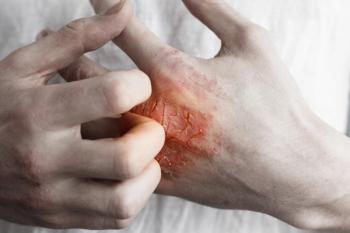
Dupilumab, with or without topical corticosteroids, significantly reduced pain and discomfort in patients with moderate to severe atopic dermatitis.