




Researchers reviewed advances in the management of chronic rhinosinusitis, with and without nasal polyps, from 2020 to 2021.
Researchers reviewed advances in the management of chronic rhinosinusitis, with and without nasal polyps, from 2020 to 2021.

Patients with chronic rhinosinusitis with nasal polyps who had elevated serum amyloid A (SAA) levels were more likely to achieve disease-controlled status vs those with low SAA levels after endoscopic sinus surgery.

This retrospective study using administrative claims data examining health care resource utilization (HCRU) found that in the months before a diagnosis of eosinophilic esophagitis (EoE), other diseases were more commonly diagnosed.

Researchers discuss contributors to nasal polyp development in children, as well as the risk of co-occuring conditions and current methods of treatment.
Sinonasal CT scores were associated with several prognostic features in the disease course of chronic rhinosinusitis with nasal polyps, including blood eosinophil counts and risk of relapse after endoscopic sinus surgery.
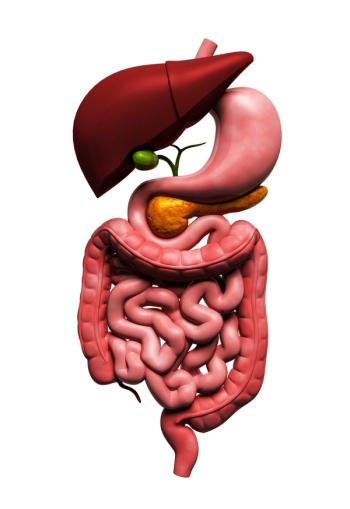
A recent study examined a possible association in children diagnosed with celiac disease and eosinophilic gastrointestinal disorders.

Lower health care utilization was shown in patients with chronic rhinosinusitis, with and without nasal polyps, who had steroid-eluting implants vs those who did not in the 18 months following endoscopic sinus surgery.

Mepolizumab was found to reduce nasal polyp size and nasal obstruction in patients with chronic rhinosinusitis with nasal polyps regardless of the presence of potentially exacerbating comorbidities.

David R. Stukus, MD, FACAAI, of Nationwide Children's Hospital and The Ohio State University College of Medicine, and a board member of the American College of Allergy, Asthma & Immunology, discusses guidelines for eosinophilic esophagitis, as well as some disease patterns that may occur.

Patients with chronic rhinosinusitis with nasal polyps were found to benefit more from the combination of endoscopic sinus surgery plus medical therapy vs medical therapy alone, although the minimal clinically important difference was not met.

For the first time, a major study showed that remission for peanut allergy can be achieved even in very young children using oral immunotherapy.

Patients with severe chronic rhinosinusitis with nasal polyps achieved significant improvements in health-related quality of life (HRQOL) and general health status with dupilumab treatment after 52 weeks.
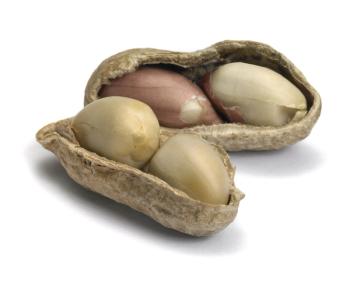
The eosinophilic esophagitis responded to treatment or resolved after the peanut oral immunotherapy stopped.

Short-term exposure to several different types of air pollution was found to significantly increase disease severity in patients with chronic rhinosinusitis with nasal polyps.

Local immunoglobulin levels were found to be significantly higher in polyp tissue specimens, but not in the blood, of patients with nasal polyps.

A significant link was found regarding incidence of diabetes and chronic rhinosinusitis (CRS) with nasal polyps, whereas CRS without nasal polyps was not associated with diabetes.
David R. Stukus, MD, FACAAI, of Nationwide Children's Hospital and The Ohio State University College of Medicine, and a board member of the American College of Allergy, Asthma & Immunology, talks about the increase of eosinophilic esophagitis, or EoE, along with other allergic conditions.
This year's most-read inflammation articles included ones about Janus kinase inhibitors and the impact of biologics or systemic corticosteroids on severe COVID-19.

A comparison of claims-based asthma risk predictors in a national sample of children with Medicaid determines accuracy and informs risk predictor choice.

The trend was true when investigators used body mass index to classify weight, and when measures such as relative body mass index and percentage of body fat were used.

The study showed children with thalassemia had a greater risk of both atopic and non-atopic asthma.
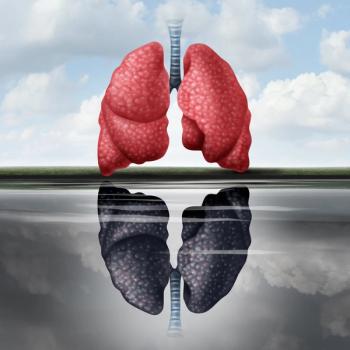
As many as 4% of population-level asthma cases could be attributed to secondhand smoke, the study suggests.

The analysis found 20% of people with asthma, emphysema, or chronic bronchitis also have depression.

Sold under the name Dupixent, dupilumab is a biologic that inhibits interleukin (IL)-4 and IL-13, which are key drivers of the type 2 inflammation that plays a major role in asthma, chronic rhinosinusitis with nasal polyps, atopic dermatitis, and eosinophilic esophagitis.

A recent article describes the many challenges faced by patients with mast cell disorders, which involve unpredictable, disabling symptoms that interfere with daily life activities.