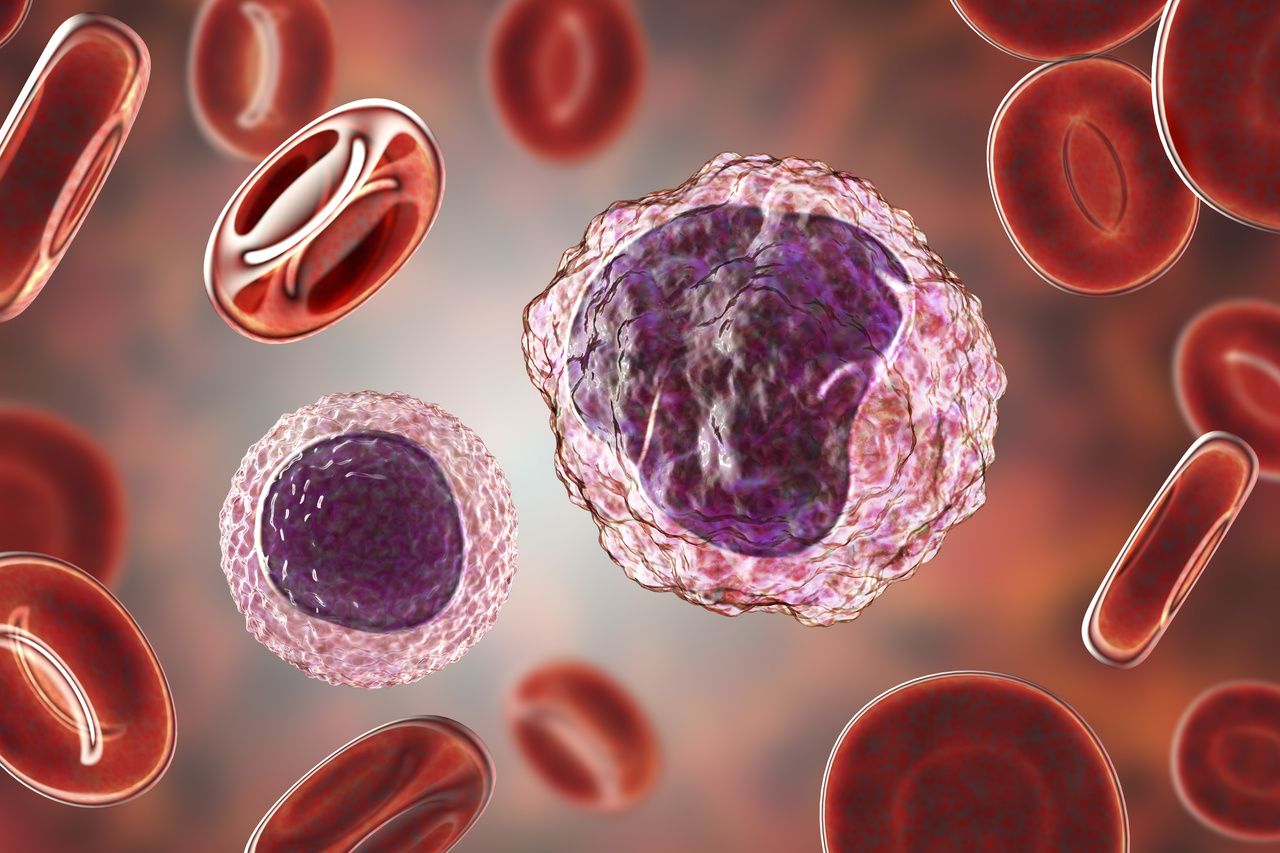
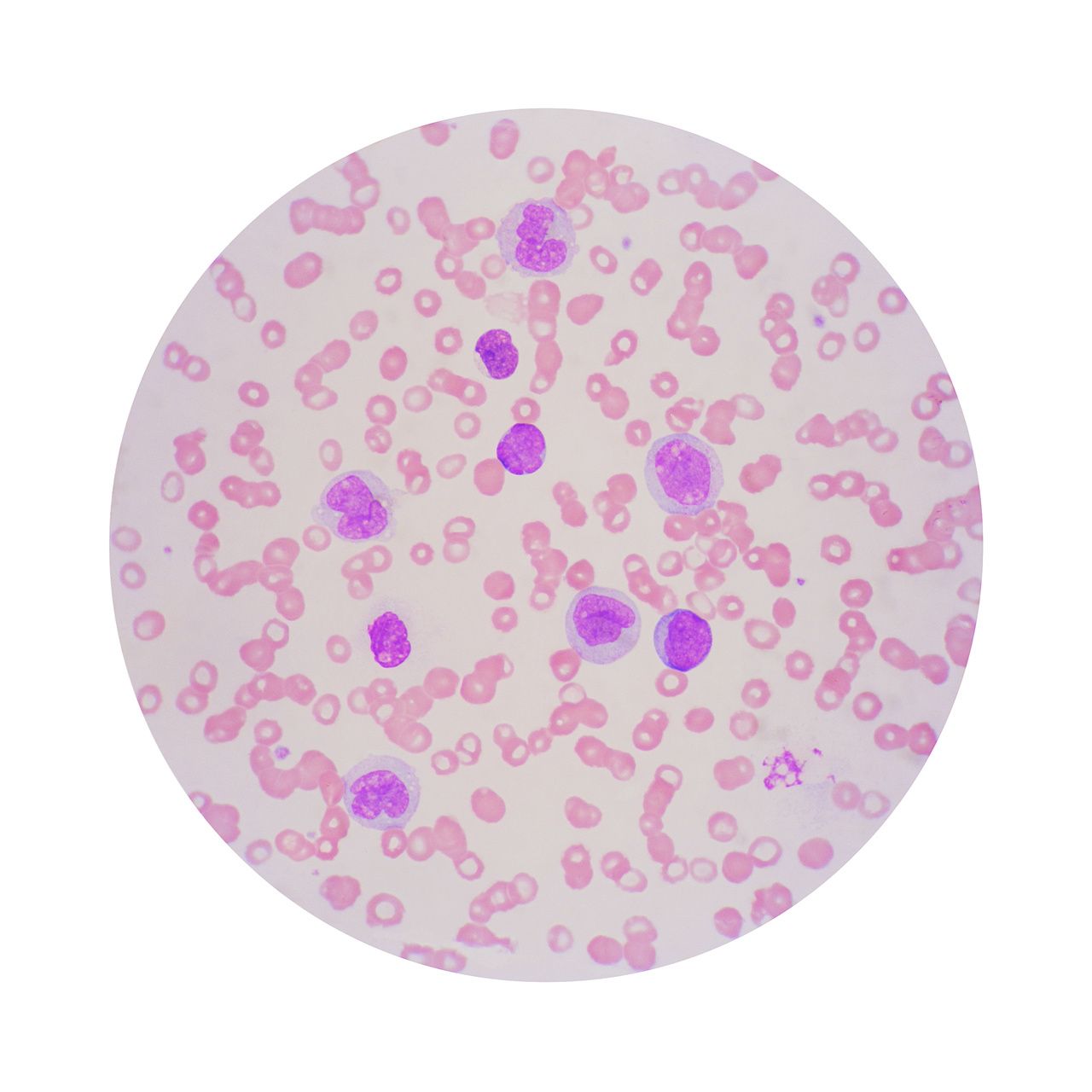



Five metabolic inhibitors appear to have strong antiproliferative effects on acute myeloid leukemia (AML), according to a new study.
Five metabolic inhibitors appear to have strong antiproliferative effects on acute myeloid leukemia (AML), according to a new study.
Patients who are treated with tyrosine kinase inhibitors (TKIs) for chronic myeloid leukemia are at a higher risk of a secondary malignancy. A new case study suggest the list of potential secondary malignancies should include lymphoplasmacytic lymphoma.
Nivolumab-based first-line treatment is highly effective in patients with early-stage unfavorable classic Hodgkin lymphoma, according to results from the Nivolumab and AVD in Early-Stage Unfavorable Classic Hodgkin Lymphoma trial published in JAMA Oncology.
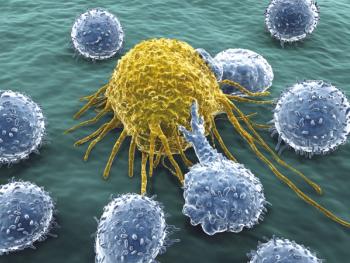
Chronic lymphocytic leukemia/small cell lymphoma (CLL/SLL) is rare, making it difficult to differentiate from other types of lymphoma. A new study helps explain key unique traits.
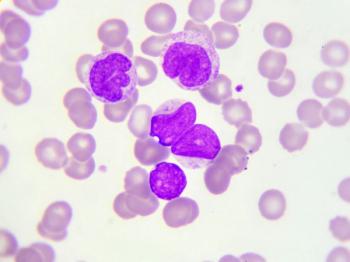
A new pooled analysis of rituximab/bendamustine and rituximab/cytarabine in transplant-eligible patients with mantle cell lymphoma (MCL) finds it leads to durable positive results in most patients.
Patients with lymphoma have better odds of survival now than they did 20 years ago, according to new research. The data also help explain which types of cancer continue to be the most challenging.
A new study based on treatment of patients with chronic lymphocytic leukemia (CLL) in mostly community settings challenges earlier findings about the superiority of a common therapeutic approach and also makes a strong case for ibrutinib.
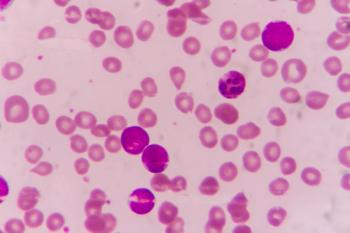
Investigators trying to find a way to stop antigen loss following CD19 CAR T cell therapy found an approach simultaneously targeting CD19 and CD22 is safe and feasible.
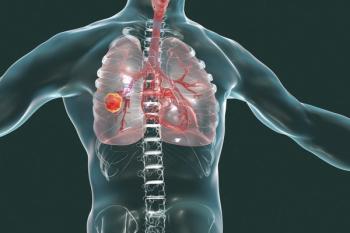
A new study shows patients with a history of lymphoma benefit from early detection of lung cancer, and are often good candidates for resection surgery.
Age and severe comorbidities were among the differences found when real-world data on Medicare patients receiving CAR T-cell therapy was compared to clinical trial outcomes, said Karl Kilgore, PhD, senior research analyst at Avalere Health.

Ibrutinib has been successful at fighting chronic lymphocytic leukemia (CLL), but new research finds interruptions in treatment with the drug can have a negative impact on patient outcomes.

TG Therapeutics announced that their investigational dual inhibitor drug umbralisib was granted orphan drug designation by the FDA for treatment of patients with follicular lymphoma.
Several challenges arise when using real-world data derived from claims to study the impacts of CAR T-cell therapy on Medicare patients, said Karl Kilgore, PhD, senior research analyst at Avalere Health.

A new review article highlights the remaining challenge to making a meaningful immunotherapy to combat acute myeloid lymphoma (AML).
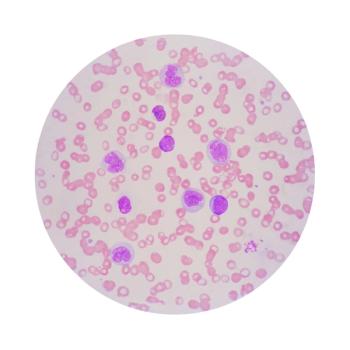
Patients with relapsing/remitting chronic lymphocytic leukemia (CLL) have a range of new therapeutic options. A new study is the first to directly compare 2 of the more prominent new therapies.

The theme of ACCC Immediate Past President Ali McBride, PharmD, MS, BPS, BCOP, for his 2019-2020 term was “Collaborate. Educate. Compensate: A Prescription for Sustainable Cancer Care Delivery.” Nowhere was that more evident than in the panel discussion he led on day 2 of this year’s annual conference.
Medicare patients' health care utilization, including hospitalizations and emergency department visits, decreased after CAR T-cell therapy, said Karl Kilgore, PhD, senior research analyst at Avalere Health.

While there are similarities to the Oncology Care Model, the new model has features “that could have a substantial impact on practices that choose to participate,” the authors write.
Though rare, patients with both autoimmune hemolytic anemia (AHIA) and non-Hodgkin lymphoma face stark odds of long-term survival. A new study lends insights into how to best diagnose and treat those patients.
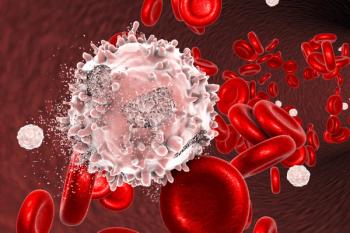
Through a series of live-cell single-molecule imaging experiments, researchers at the University of York discovered how rogue communications between cells lead to leukemia, according to a recent study published in Science.
An economic model based on the ECHELON-2 trial demonstrated cost-effectiveness of brentuximab vedotin with chemotherapy in frontline treatment of CD30-expressing peripheral T-cell lymphoma (PTCL).

New targeted therapies like ibrutinib, idelalisib, and venetoclax appear to be highly successful in the treatment of chronic lymphocytic leukemia (CLL), but investigators say it’s unclear how those therapies impact autoimmune complications of the cancer.
Ibrutinib quickly became the de fact standard of care to treat chronic lymphocytic leukemia, but the high price presents a problem for the US healthcare system, said Adam Olszewski, MD, associate professor of medicine at The Warren Alpert Medical School of Brown University.
Toxicities like cytokine release syndrome, along with other factors, limit widespread use of CAR T-cell therapies, said Reona Sakemura, MD, PhD, postdoctoral researcher at the Mayo Clinic.
Results come at the decision point for practices: Will it be 1-sided or 2-sided risk?