


Results from clinical trials presented at the 2019 American Society of Hematology Annual Meeting and Exposition in Orlando, Florida.
As new therapies come to market for pediatric acute myeloid leukemia, there will be a lot of questions to answer regarding dosing and where these drugs are used in the patient journey, said Sarah Tasian, MD, attending physician in the Division of Oncology at Children’s Hospital of Philadelphia.
Results from clinical trials presented at the 2019 American Society of Hematology Annual Meeting and Exposition in Orlando, Florida.

The group of patients with high CD154-postive mast cells had lower overall 5-year survival rates than the low CD154-positive group.

Oklahoma is suing 3 major opioid manufacturers for their role in the opioid epidemic; first responders and other workers exposed to carcinogens during 9/11 found to have an elevated incidence of leukemia; cost of MS treatments determine patient financial decisions.

Financial barriers and perceived implicit biases were both barriers that families of children with acute leukemia raised regarding access to care issues that might have delayed diagnosis, said Lena Winestone, MD, assistant professor of pediatrics at the University of California, San Francisco.

Sarah Tasian, MD, attending physician in the Division of Oncology at Children’s Hospital of Philadelphia, highlights the coming advances in pediatric acute myeloid leukemia (AML) that she is the most excited for.
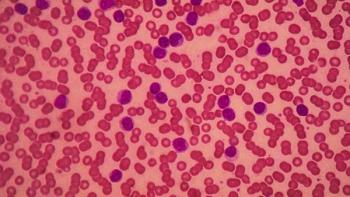
A recent study looked at the impact of stereotyped B-cell receptor immunoglobulins in patients with chronic lymphocytic leukemia (CLL).
Since there are aspects of care in clinical trials that might not be mandated, research is being done to see whether there are socioeconomic disparities for things like supportive care for children with cancer, said Lena Winestone, MD, assistant professor of pediatrics at the University of California, San Francisco.
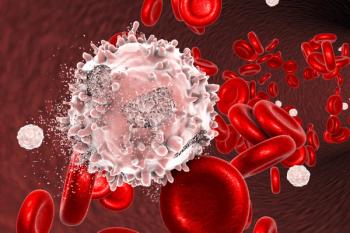
The results suggested that fusion events contribute to the complexity of acute myeloid leukemia and typically result from chromosomal rearrangements.
Lena Winestone, MD, assistant professor of pediatrics at the University of California, San Francisco, explains how her research into disparities in pediatric acute myeloid leukemia (AML) may help identify the cause of those disparities and how best to intervene in order to improve outcomes for these patients.

Patient feedback is quickly becoming a vital component of the FDA’s regulatory decision-making process for drug applications.

A higher rate of adverse effects in patients with mantle cell lymphoma can create an economic burden for those who are commercially insured, the authors noted.

The introduction of novel agents has really revolutionized the care of patients with chronic lymphocytic leukemia to the point where chemotherapy is rarely used, said Lindsey Roeker, MD, clinical fellow at Memorial Sloan Kettering Cancer Center.
One of the challenges with treating children with acute myeloid leukemia is that many of the novel drugs are not available in children. Current treatment with chemotherapy really requires balancing increasing doses with the short-term and long-term toxicities, said Sarah Tasian, MD, attending physician in the Division of Oncology at Children’s Hospital of Philadelphia.
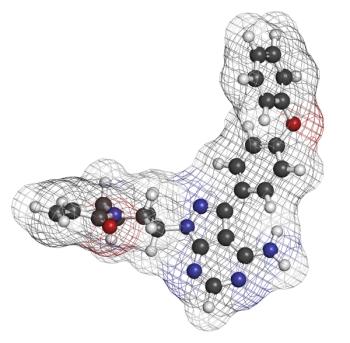
Ibrutinib, an FDA approved treatment with generally high response rates, can be resisted by some patients.

Chimeric antigen receptor (CAR) T cells are lymphocytes genetically engineered to recognize and bind to specific proteins on cancer cells. Studies are currently underway for applications in other fields.

The researchers called for more work to discover specific exposures in patients with leukemia that lead to infections after treatment ends.

The August issue of The American Journal of Managed Care® (AJMC®) featured research on surprise medical billing policies, social determinants of health, and the value of chimeric antigen receptor T-cell therapies, among other topics. Here are 5 findings from research published in the issue.
Treatment delays limit the social value generated by chimeric antigen receptor (CAR) T-cell therapy for the treatment of pediatric acute lymphoblastic leukemia and diffuse large B-cell lymphoma.
In a long-awaited national coverage determination decision, CMS said Wednesday that it approved chimeric antigen receptor (CAR) T-cell therapies for Medicare beneficiaries nationwide.

Every week, The American Journal of Managed Care® recaps the top managed care news of the week, and you can now listen to it on our podcast, Managed Care Cast.

Coverage of our peer-reviewed research and news reporting in the healthcare and mainstream press.

This week, the top managed care news included HHS laying out a plan for importing certain prescription drugs from other countries; a potential new standard of care for chronic lymphocytic leukemia; 3 insulin makers get subpoenaed over their pricing practices.

President Trump is preparing an executive order that would slash prices on nearly all drugs sold to Medicare; Allergan has recalled certain breast implants following 573 cases of implant-associated anaplastic large cell lymphoma; a study has found 1 in 4 people intend to use antibiotics without a prescription.

Pediatric patients with relapsed or refractory B acute lymphoblastic leukemia (B-ALL) with minimal residual disease (MRD) who were treated with blinatumomab proceeded to hematopoietic cell transplant (HCT) without delay and had limited side effects.