
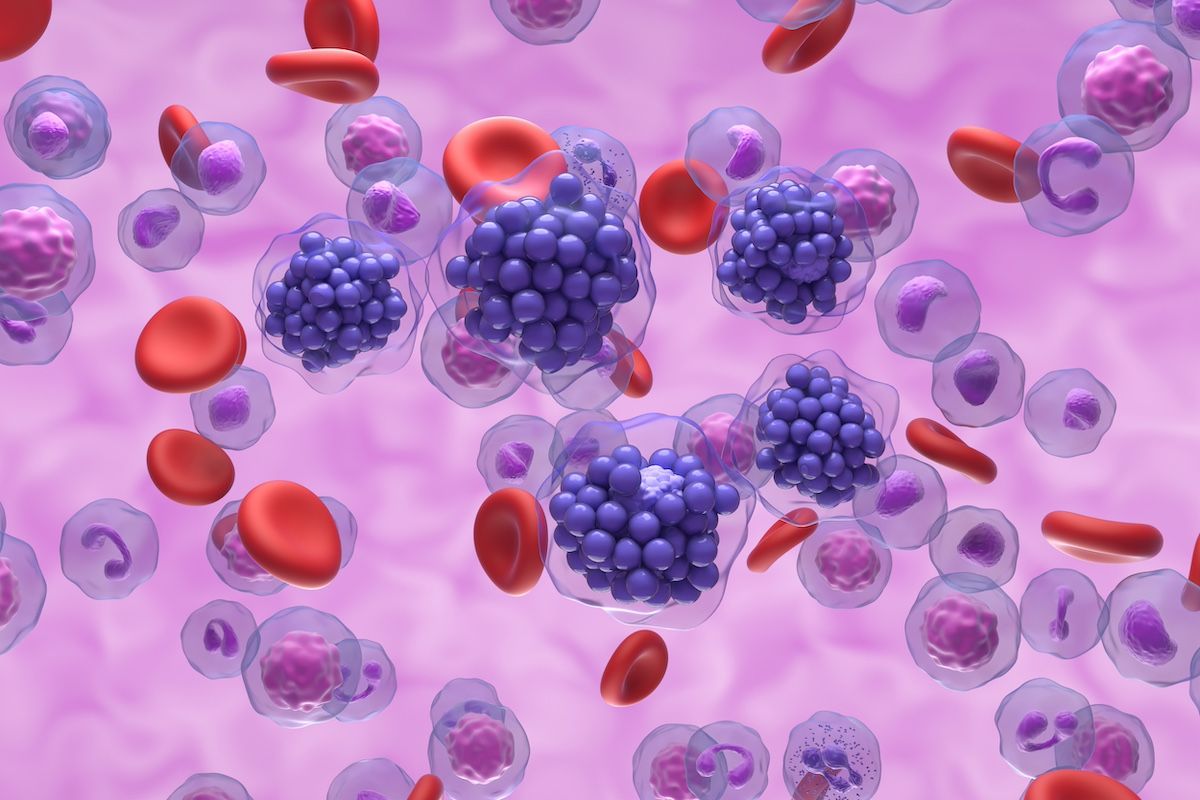



Prophylactic intravenous immunoglobulin reduces COVID-19 infection rates in older patients with DLBCL with hypogammaglobulinemia undergoing reduced-intensity R-CHOP therapy.

Prophylactic intravenous immunoglobulin reduces COVID-19 infection rates in older patients with DLBCL with hypogammaglobulinemia undergoing reduced-intensity R-CHOP therapy.
A very unusual case of lip-based diffuse large B-cell lymphoma (DLBCL) was treated successfully thanks to prompt diagnosis and chemotherapy treatments.

New therapies are helping patients, but are also driving up overall costs of care.

Although histological transformation to diffuse large B-cell lymphoma (DLBCL) remains a common complication of follicular lymphoma, patient survival has increased significantly since the introduction of rituximab about 2 decades ago.

Population pharmacokinetic and exposure-response analyses revealed a favorable benefit-risk profilane for the treatment combination of polatuzumab vedotin and rituximab, cyclophosphamide, doxorubicin, and prednisone (R-CHP).

A recent study offers valuable insights into the characteristics, treatment patterns, and outcomes of diffuse large B-cell lymphoma (DLBCL) in patients across different lines of therapy, providing a look into the landscape of DLBCL management.

Using the newly created MAESTRO-Pool tool, whole genome sequencing revealed DNA that could be used to more effectively detect minimum residual disease (MRD) in patients who have diffuse large B-cell lymphoma (DLBCL).

Overall survival and complete response rates were comparable across a younger and an older cohort of patients with relapsed/refractory diffuse large B-cell lymphoma (DLBCL).
Treatment with R-GemOx was associated with significant health care resource utilization, high costs surrounding treatment, and low overall survival in elderly patients with diffuse large B-cell lymphoma (DLBCL).

The FDA issued complete response letters (CRLs) for the biologics license application for odronextamab in relapsed/refractory (R/R) follicular lymphoma and in R/R diffuse large B-cell lymphoma (DLBCL).

Analysis of single-agent, combination, and novel bispecific antibodies revealed a positive landscape of treatment for patients with diffuse large B-cell lymphoma (DLBCL).
Patients had a lower risk of their diffuse large B-cell lymphoma (DLBCL) progressing if they had consolidative radiotherapy, a new report shows.

Investigators used a predictive model factoring in lymphopenia, elevated SIL2R level, extranodal involvement, and a positive hepatitis panel to determine risk for febrile neutropenia among patients with diffuse large B-cell lymphoma (DLBCL).

The patient had both classical Hodgkin lymphoma and diffuse large B-cell lymphoma.
Investigators are optimistic about bispecific antibodies (BsAbs) for patients with diffuse large B-cell lymphoma (DLBCL), especially the possibility of combining different BsAbs with distinct targets for stronger treatment outcomes.

Other viral infections, including Epstein-Barr virus and hepatitis C, have already been linked with primary hepatic lymphoma, the authors said.

A new study has found that HLX01 (HanliKang), a rituximab biosimilar, had comparable overall survival and progression-free survival rates to the reference product (Rituxan) in patients with diffuse large B-cell lymphoma (DLBCL).

A real-world comparison of 2 chimeric antigen receptor (CAR) T-cell therapies—axicabtagene ciloleucel and tisagenlecleucel—suggests the former is associated with better efficacy but higher toxicity.

Ann LaCasce, MD, MMSc, director of the Dana-Farber/Mass General Brigham fellowship in hematology/oncology and chair of the Lymphoma Research Foundation’s Scientific Advisory Board, discusses T-cell engager therapies in the diffuse large B-cell lymphoma (DLBCL) landscape.

The authors say their 3D model improves on results using traditional 2-dimensional approaches.

Among the 10 patients in the retrospective analysis, the median overall survival after allogeneic hematopoietic stem cell transplantation (allo-HSCT) for relapsed/refractory diffuse large B-cell lymphoma (R/R DLBCL) was 21 months.

The authors suggest the phenomenon of 2 mutationally distinct diffuse large B-cell lymphomas (DLBCLs) might be more common than currently understood.

A record 21.3 million people signed up for health insurance this year using the Affordable Care Act (ACA) marketplaces; nearly 80% of health care providers think it is important for their hospital to minimize its environmental impact; the FDA noted a potential link between CAR-T products and the development of T-cell cancer.

New methods of classifying patients could pave the way for more personalized treatment approaches, a new report states.
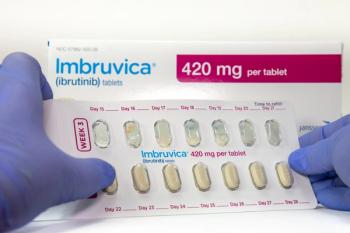
Although ibrutinib adds to the cost of treatment, its benefits over the long term justify the cost, investigators found.