

The report indicated that the use of a clear definition on health disparities and a framework for analysis are key in the measurement and interpretation of health inequities affecting underserved populations.
The report indicated that the use of a clear definition on health disparities and a framework for analysis are key in the measurement and interpretation of health inequities affecting underserved populations.

A team of experts from the United States and Canada performed this systematic review, considering for the first time patient values and preferences for their atopic dermatitis (AD) care.

Health care costs in the United States for respiratory conditions have increased from 1996 to 2016, particularly for chronic conditions like chronic obstructive pulmonary disease (COPD) and asthma.

The FDA is relaxing some time-based deferrals for donating blood; new guidance aims to streamline the COVID-19 vaccination process; Congress has been called on to solidify cannabidiol (CBD) regulations.

Colon carcinoma and acute diverticulitis have similar computed tomography imaging features that can make differential diagnosis difficult for radiologists, but a novel artificial intelligence assistance model was shown to help diagnostic accuracy.

Coverage of our peer-reviewed research and news reporting in the health care and mainstream press.

A real-world study of health care resource utilization (HCRU) in patients with myasthenia gravis on second-line therapy identified the factors that led to increased financial burdens.

The report also suggests that ataxia telangiectasia and Rad3-related protein inhibition could be a valuable tool to overcome resistance.

Adults with diabetes who were forced to switch from an employer-sponsored health plan to a high-deductible health plan (HDHP) were 25% more likely to require an emergency department (ED) or hospital visit for hyperglycemia, but not for hypoglycemia, than those who did not switch plans.

To mark the publication of The American Journal of Managed Care®’s 12th annual health IT issue, on this episode of Managed Care Cast, we speak with Christopher M. Whaley, PhD, health care economist at the RAND Corporation, who focuses on health economics issues, including the influence of the COVID-19 pandemic on health care delivery.

Timothy Murphy, MD, FACP, practice president of Rocky Mountain Cancer Centers, spoke with The American Journal of Managed Care® about the effect of the COVID-19 pandemic on screening for lung cancer.

A study published in Nature Medicine found that certain tumor mutations are more persistent and may predict immunotherapy responses more reliably than overall tumor mutational burden.
Affordable Care Act health care sign-ups are breaking records; updated COVID-19 boosters are proving successful against new variants; GenBioPro, which manufactures mifepristone, has filed suit regarding the constitutionality of a state abortion drug ban.

Michael Chiang, MD, director of the National Eye Institute, spoke about efforts to address age-related macular degeneration (AMD) as well as health disparities in clinical trials and access to treatment.

Richard L. Martin III, MD, MPH, spoke on the goals he has in his new role as medical director of health equity and community engagement at Tennessee Oncology, and what lessons he has learned so far in providing care to underserved communities.

High bleeding risk was seen among patients hospitalized with acute myocardial infarction (AMI) who had essential thrombocythemia (ET), particularly those treated with percutaneous coronary intervention.

A study aims to quantify the burden of current childhood asthma in the United States in association with smoke from indoor gas stoves.

Though not a causal relationship, a cross-sectional study found a significant association between diabetes-related self-stigma and glycated hemoglobin (HbA1c) in Japanese adults with type 1 diabetes (T1D).

Multiple studies suggest that the mechanisms of lung damage and chronic obstructive pulmonary disease (COPD) due to biomass smoke differ from COPD caused by smoking cigarettes.

Outcomes were investigated among 541 patients who had chronic rhinosinusitis; they accounted for 435 primary surgeries and 106 revisionist surgeries.

Evidence-Based Oncology™️ spoke with Lyons about the creation of this real-world data set and the pros and cons of different treatments for MDS.

An analysis presented during the 64th American Society of Hematology Annual Meeting and Exposition showed that patients with multiple myeloma were able to experience improved responses to the proteasome inhibitor ixazomib after switching from bortezomib.

After 3 years of continuous enrollment due to the pandemic, those on Medicaid will need to sign up again for coverage in April; fears about heavy metal levels in baby food prompt FDA to decrease lead exposure; long COVID is keeping large numbers of people out of work or needing medical care after returning.
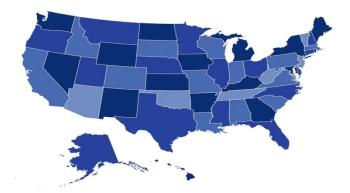
Using data from the Southern Community Cohort Study, investigators compared outcomes between Black and White participants for heart failure risk.

A study finds certain employment types may be associated with higher rates of pregnancy loss, including early abortive outcomes, stillbirths, and no live births.

Certain variables have been shown to have both positive and negative influences on the willingness to pay for sleep disturbance treatment, such as wealth, insurance coverage, quality of life, and age.

The findings suggest that both high-risk patients and high-risk regions should be considered in clinical and policy strategies to facilitate timely breast cancer care.

Amazon’s announcement of a prescription subscription service that charges a flat monthly fee instead of offering discounts on each prescription fill represents the retail giant’s latest foray into the health care space.

Patients with spinal muscular atrophy (SMA) could have improved monitoring and assessment of their disease through the utilization of patient-reported outcome measures.
Eli Lilly will tack on $450 million more to increase capacity in a diabetes drug plant in light of shortages; patients emailing and messaging medical providers online might be charged; 57% of adults in a recent survey think that the federal government should secure health care coverage for all Americans.