

Melissa Johnson, MD, program director of Lung Cancer Research at Sarah Cannon, discusses the potential of certain drug classes for lung cancer.
Melissa Johnson, MD, program director of Lung Cancer Research at Sarah Cannon, discusses the potential of certain drug classes for lung cancer.

There may be a small, but not overwhelming, benefit for certain individuals aged 40 to 59 years who have a slightly elevated risk of future cardiovascular disease (CVD) to start taking aspirin, according to an update released by the US Preventive Services Task Force (USPSTF).

Elevated prevalence of post-traumatic stress disorder seen in family members of patients with COVID-19 treated in intensive care units; 9 rare respiratory cancers linked with burn pit exposure among veterans; adenovirus suggested as potential cause of unexplained cases of pediatric hepatitis.

A simple score can identify the patients at risk of severe infection within 4 months of initiating treatment, highlighting candidates to be treated with prophylactic antibiotics.

A meta-analysis found that a third of patients with rheumatoid arthritis (RA) in a sample had metabolic syndrome, which can double the risk of cardiovascular outcomes in this population.

Recent studies suggest patients with Parkinson disease (PD) suffer from tooth grinding and related pain at higher rates than healthy controls.

Patients were younger and had more advanced disease at diagnosis, according to the study.

Clinicians should be vigilant and perform neurological and ophthalmological examinations in patients with persistent headaches, the authors said.

Gary Owens, MD, president of Gary Owens Associates, outlines the current epidemiological knowledge of pulmonary arterial hypertension (PAH).

More patients with atopic dermatitis achieved mild disease severity by 1 month of treatment with adjuvant dupilumab and tacrolimus vs dupilumab alone.

A multitrait model of corneal parameters was effective in identifying new keratoconus risk loci, resulting in enhanced polygenic risk score models.

The financial toxicity of newer metastatic breast cancer (MBC) treatments is a significant concern and requires stakeholders to work together to find the best value- and evidence-based treatments for patients, said Hatem Soliman, MD, medical director, Clinical Trials Office, Moffitt Cancer Center.

The US government is increasing access of Pfizer's COVID-19 antiviral pill to all pharmacies nationwide; stark hospitalization rates in unvaccinated children; a steady increase observed in US influenza cases and hospitalizations.
The findings suggest that the tool can be used to not only assess cognitive impairment in Huntington disease (HD) but also to detect brain atrophy patterns associated with cognitive status in these patients.

Inflammatory microenvironments appear to enhance melanoma cells’ ability to control T-cell responses.

Aldo-keto reductase 1C3 (AKR1C3) has been identified as a potential biomarker and target in several cancers, and a recent study found it to be a potential biomarker in T acute lymphoblastic leukemia/lymphoma (T-ALL).

The trends in the hemophilia treatment market are gaining momentum with increasing incidences of hemophilia A and B and staggering need for their treatments, including gene, anti-tissue factor pathway inhibitor, and factor replacement therapies.

A retrospective analysis found that patients with hidradenitis suppurativa had a high burden of disease despite active treatment by a dermatologist.

Patients with chronic rhinosinusitis (CRS) with nasal polyps identified several unmet needs regarding their condition, particularly a lack of public and physician awareness on disease burden and poor sleep quality.

Results from the CHOICE study suggest that both a 150 mg and 300 mg dose of secukinumab improved symptoms of psoriatic arthritis (PsA) in biologic-naïve patients, with higher response rates for the 300 mg dose.

Continual nutrition modification is crucial in patients with moderate to advanced chronic kidney disease (CKD), and more interactive at-home solutions hold potential to improve nutritional nursing models after hospital discharge.

This new study investigated and compared the incidence of disordered eating behavior (DEB) among 2 cohorts of patients with type 1 diabetes (T1D) treated with continuous-subcutaneous insulin infusion (CSII) or a basal-bolus regimen.

Chronic kidney disease is a common complication in multiple myeloma, and a recent study found it is safe to treat this patient population with autologous stem cell transplantation.

Researchers outlined 3 mechanisms in which PM2.5 induces asthma, all of which they say are tied to oxidative stress balance.

Debra Patt, MD, PhD, MBA, executive vice president of Texas Oncology, addresses how the pandemic may have influenced cancer screening and diagnosis rates.

By creating a framework for social determinants of health that explores patients’ needs and prioritizes team members’ response, specialty practices can more effectively strengthen health equity, access to care, and health outcomes.

Self-reported vaccination statuses are often used in studies of influenza vaccination, and a recent study found this method reliable in health care personnel who receive the vaccine consistently.

Ryan Haumschild, PharmD, MS, MBA, from Emory Healthcare and Winship Cancer Institute, gives insight into how his practice will handle the influx of at least 7 adalimumab biosimilars referencing Humira that are expected to enter the market in 2023.
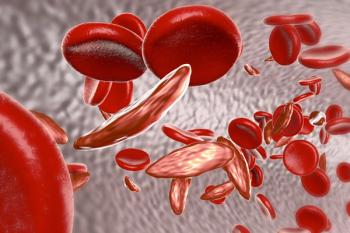
A review of 41 articles indicated that leveraging zinc supplementation in patients with sickle cell disease (SCD) is a safe and potentially effective approach for these patients.

A decade’s worth of data included more than 5 million social determinants of health (SDOH) attributes across nearly 2 million clinical notes from the patient visits extrapolated from a natural language processing system.