


Clinical
Latest News
Advertisement
Latest Videos


Advertisement
More News

Glucagon-like peptide 1 receptor agonists may offer neuroprotective and survival benefits beyond blood sugar control.

ATLAS trial investigator Guy Young, MD, Children's Hospital Los Angeles and University of Southern California Keck School of Medicine, highlights the current treatment options for patients with hemophilia A or B, with or without inhibitors, since the FDA approval of fitusiran (Qfitlia; Sanofi).

In part 2, Hans Lee, MD, shares practical tips for using linvoseltamab in heavily pretreated multiple myeloma and outlines trials that may expand its future role.
Panelists discuss how reaching underserved populations requires proactive outreach, digital health tools with appropriate training, addressing health literacy barriers, and ensuring equitable access to diabetes technologies and treatments rather than waiting for patients to seek care.
Panelists discuss how clinical decision support tools, care pathways, and artificial intelligence can address primary care workforce shortages by providing real-time guidance, predictive modeling for high-risk patients, and autonomous agents for patient outreach and care coordination.

Caroline Vovan, PharmD, CDE, highlights how ambulatory clinical pharmacists contribute to value-based care by managing chronic conditions, improving medication adherence, and reducing costs.

Imetelstat (Rytelo; Geron) significantly improved and sustained health-related quality of life in patients with lower-risk myelodysplastic syndromes (MDS), with benefits linked directly to the drug rather than patient characteristics.

An expert discusses how different adverse event profiles of antibody-drug conjugates (ADCs) influence treatment decisions by requiring careful patient selection based on comorbidities like prior lung disease, implementing baseline assessments and monitoring protocols for pneumonitis and ocular toxicities, and recognizing that early detection and management of adverse effects allows for continued treatment through dose modifications.
An expert discusses how clinicians and institutions can streamline biomarker-driven therapy decisions by establishing rapid turnaround times for biopsies and pathology results, maintaining in-house testing capabilities, coordinating efficiently between interventional radiology and pathology teams, and ensuring insurance approvals don’t delay treatment initiation for patients who may deteriorate quickly.
The newly approved linvoseltamab (Lynozyfic; Regeneron) has a manageable safety profile, along with a patient-friendly dosing schedule that includes intravenous administration, step-up dosing, and de-escalation to monthly maintenance.
The phase 3 IMerge trial (NCT02598661) evaluated how treatment with imetelstat impacts health-related quality of life in patients with lower-risk myelodysplastic syndromes (MDS), according to María Díez Campelo, MD, PhD.
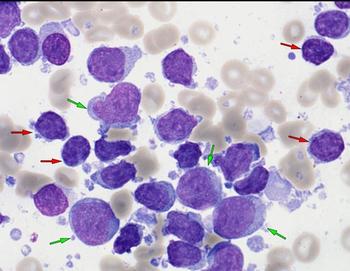
Real-world analysis reveals that undetectable CD20 expression worsens outcomes for patients treated with epcoritamab and glofitamab bispecific antibodies for their diffuse large B-cell lymphoma (DLBCL).

Three patient outcomes were measured in this new study: time to onset of ocular-related myasthenia gravis, Activities of Daily Living response, and Minimal Symptom Expression.
Panelists discuss how NCCN guidelines are expected to incorporate quadruplet-based regimens as reasonable treatment approaches for transplant-ineligible patients, while emphasizing the need for personalized treatment strategies that consider individual patient frailty and high-risk genetics rather than applying uniform approaches across all older patients.
Panelists discuss how the CEPHEUS trial demonstrated that quadruplet therapy (daratumumab, bortezomib, lenalidomide, and dexamethasone) significantly improved minimal residual disease negativity rates compared to triplet therapy in transplant-ineligible multiple myeloma patients, achieving approximately 60% vs 47% 10–5 responses while maintaining manageable safety profiles.

Medicare inflation rebates fail to curb rising drug prices, highlighting the need for further policy action to control costs.

New insights highlight clinician support for shared survivorship care and identify key factors for effective implementation.

The hemoglobin, albumin, lymphocyte, and platelet (HALP) score can help to guide treatment decisions in patients living with non–small cell lung cancer (NSCLC).

Obecabtagene autoleucel showed over 70% response rates in relapsed/refractory B-cell acute lymphoblastic leukemia (B-ALL), demonstrating efficacy across all age groups in recent trials.

Many FDA accelerated approvals continue to rely heavily on surrogate endpoints, raising ongoing uncertainty about the true clinical benefits of these therapies.
A panelist discusses how oral combination therapy with decitabine-cedazuridine plus venetoclax shows activity in the relapsed/refractory acute myeloid leukemia setting, achieving responses even in patients with TP53 mutations, prior venetoclax exposure, or prior transplant, though the presenter questions whether 10 days of decitabine offers advantages over the standard 5-day regimen and emphasizes that these oral therapies can effectively extend beyond frontline treatment into salvage settings.
A panelist discusses how the shift from intravenous to oral AML therapies addresses significant quality-of-life concerns by eliminating the burden of spending 7 days per month in clinics for infusions (which can consume nearly half of a patient's remaining 15-month median survival time), while also improving clinic efficiency, though implementation requires careful attention to patient adherence, insurance coverage disparities that may penalize oral medications with higher co-pays, and monitoring for drug interactions.
Panelists discuss how payers seek good return on investment when evaluating expensive gene therapies, creating potential friction when innovative treatments come at significant costs, requiring ongoing dialogue between manufacturers, patients, payers, and physicians to determine appropriate value and access.

Long-term results from the phase 2 OVARIO trial (NCT03326193) highlight the effectiveness of niraparib plus bevacizumab as maintenance therapy in patients with advanced ovarian cancer.
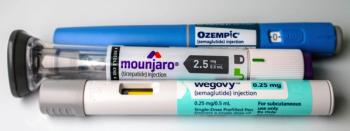
Glucagon-like peptide-1 (GLP-1) receptor agonists significantly enhance overall survival in patients with ovarian cancer, offering a promising adjunct to traditional treatments.
Advertisement
Advertisement
Trending on AJMC
1
CMS Rule Ends Medicaid, CHIP Funding for Pediatric Gender Care
2
Oral JAK Inhibitors Boost Hair Regrowth Odds in Alopecia Areata
3
Follitropin Delta Achieves Ongoing Pregnancy in 64% Under Age 35
4
Panel Calls for Earlier Detection, Clearer Pathways in Rare Glomerular Disease
5