



Clinical
Latest News
Advertisement
Latest Videos






Advertisement
More News

Long-term CARTITUDE-1 data show ciltacabtagene autoleucel (cilta-cel) may offer lasting remission and survival in relapsed/refractory multiple myeloma, according to Sundar Jagannath, MBBS, of the Icahn School of Medicine at Mount Sinai.
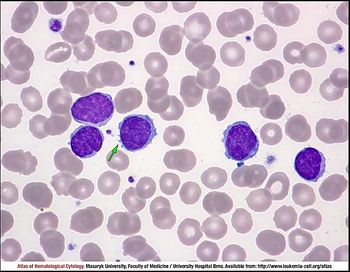
In a cohort of TRANSCEND FL, the chimeric antigen receptor T-cell therapy liso-cel showed a 95% overall response rate in relapsed marginal zone lymphoma, offering hope for improved patient outcomes in challenging cases.

The Beat AML Master Trial found high remission rates and promising safety with triplet therapy in patients with acute myeloid leukemia (AML), according to Ashley Yocum, PhD.

Lorna Warwick, CEO of the Lymphoma Coalition, highlights findings underscoring the vital role of clinician communication in managing adverse effects and supporting patient confidence in lymphoma and chronic lymphocytic leukemia (CLL) care.
Panelists discuss how spinal muscular atrophy is an autosomal recessive genetic disease affecting motor neurons with 3 currently approved disease-modifying therapies that restore SMN protein expression, including 2 requiring ongoing treatment and 1 gene transfer therapy (onasemnogene abeparvovec) approved only for patients under 2 years of age.
Panelists discuss how the pooled 3-year data for delandistrogene moxeparvovec show sustained motor function stabilization and less deterioration compared with natural history, providing confidence in the therapy’s long-term benefits while acknowledging the need for survival data and addressing concerns about potential transgene dilution over time.

Panelists discuss how implementing cardiovascular-kidney-metabolic health requires a team-based approach using the analogy of football, where physicians coach multidisciplinary teams to help patients overcome barriers and achieve health goals.

Panelists discuss how minimal residual disease (MRD) status can guide post-transplant treatment decisions, particularly for high-risk patients who don’t achieve MRD negativity and patients considering discontinuation of long-term maintenance therapy.

A panelist discusses how ITP creates a chronic inflammatory state causing underrecognized symptoms like fatigue and joint pain that significantly impact patients' quality of life and ability to function, while recommending avoidance of activities that could cause head or internal injuries.
Panelists discuss how GLP-1 receptor agonists represent a paradigm shift by providing weight loss, glycemic control, and cardiovascular protection simultaneously, moving focus beyond A1C control to comprehensive risk reduction.
Panelists discuss how quadruplet regimens show improved efficacy over triplet regimens without significantly increased safety concerns, with anti-CD38 antibodies being well tolerated and NCCN guidelines now recommending 4-drug regimens for transplant-eligible patients.

Telitacicept is a dual-targeting agent that attaches to and blocks the effects of 2 key signaling proteins, B-lymphocyte stimulator and a proliferation-inducing ligand, to treat the B-cell–mediated autoimmune disease, generalized myasthenia gravis.

Panelists discuss how insurance challenges impact spinal muscular atrophy (SMA) care, with prior authorizations becoming more streamlined over time but limitations on physical therapy sessions and inequitable access to treatments remain significant barriers.

Panelists discuss how sotatercept represents a paradigm shift as the first activin signaling inhibitor showing dramatic improvements in heavily pretreated patients, with the Stellar and Zenith trials demonstrating significant reductions in clinical worsening and potential for reverse remodeling.
Panelists discuss how riociguat targets the nitric oxide pathway and is approved for both Group 1 PAH and Group 4 chronic thromboembolic pulmonary hypertension, with specific patient selection criteria based on risk stratification and surgical candidacy.
Panelists discuss how combination therapies targeting different aspects of spinal muscular atrophy (SMA), such as myostatin inhibitors (targeting muscle) alongside SMN protein-enhancing treatments, hold promise for addressing fatigue and improving muscle function in older patients.

High body mass index affects outcomes in acute lymphoblastic leukemia (ALL), highlighting the need for targeted interventions to improve patient survival rates and treatment efficacy.

Remote care reduced readmissions and improved functional outcomes in COPD in a recent study.
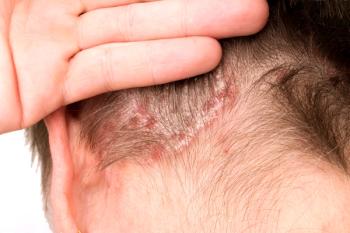
A new consensus from the National Psoriasis Foundation outlines a clear benchmark for remission to improve treatment decisions and patient outcomes.

The FDA approval marks the first approval of a type of pre-exposure prophylaxis that would only require 2 treatments per year.

This study reveals that dupilumab is associated with a modestly increased risk of developing psoriasis, highlighting the importance of monitoring skin reactions during therapy.

Target trial emulation study finds no added effectiveness or persistence with combination therapy for plaque psoriasis.
Panelists discuss how data from MDA 2025 demonstrate that delandistrogene moxeparvovec (gene therapy for DMD) shows statistically significant improvements in motor function outcomes including North Star Ambulatory Assessment, time to rise from floor, and 10-m walk/run compared with external control groups over 2 years of treatment.
Panelists discuss how recent advancements in muscular dystrophy treatment have evolved toward truly disease-modifying therapies using gene replacement, antisense oligonucleotides, and gene transfer technologies, while highlighting the ongoing challenges of identifying at-risk populations and collecting comprehensive safety and efficacy data.
Advertisement
Advertisement
Trending on AJMC
1
CMS Rule Ends Medicaid, CHIP Funding for Pediatric Gender Care
2
Oral JAK Inhibitors Boost Hair Regrowth Odds in Alopecia Areata
3
Panel Calls for Earlier Detection, Clearer Pathways in Rare Glomerular Disease
4
Follitropin Delta Achieves Ongoing Pregnancy in 64% Under Age 35
5