


Oncology
Latest News

Advertisement
Latest Videos
Advertisement
More News

The approval of belzutifan, an oral hypoxia-inducible factor-2 alpha inhibitor, provides a new option for patients with advanced renal cell carcinoma (RCC) following treatment with a programmed death receptor-1 (PD-1) or programmed death-ligand 1 (PD-L1) inhibitor and a vascular endothelial growth factor tyrosine kinase inhibitor (VEGF-TKI).
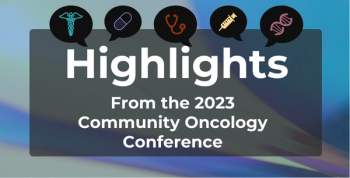
Our top coverage from this year’s Community Oncology Conference, hosted by the Community Oncology Alliance, included discussions around alternative payment models, shifts in the community oncology landscape in recent decades, and the need for reform in several areas.

Authors highlight key aspects of the California Cancer Care Equity Act, including its focus on Medi-Cal beneficiaries, the requirement for managed care plans to contract with specialized cancer centers, and the definition of complex cancers.

Spanning 22 studies, the analysis illuminated housing disparities, occupational hazards, unequal health care access, economic inequality, and discriminatory industry practices and how they collectively contribute to heightened lung cancer risks.
Positive data from the phase 3 EV-302 trial of enfortumab vedotin with pembrolizumab in locally advanced or metastatic urothelial cancer have shifted the landscape.

Researchers found that core oncology services were less likely to be available at hospitals serving racial and ethnic minority groups compared with other hospitals in the United States.

A new report from IQVIA provides an overview of current US drug shortages, shedding light on major areas of concern, such as medications to address pain, cardiovascular conditions, obesity and diabetes, and multiple forms of cancer.
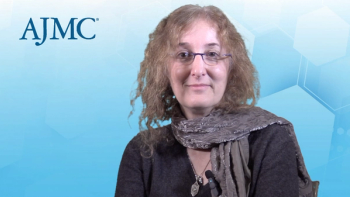
Alyson Moadel-Robblee, PhD, deputy director of community engagement and cancer health equity at Montefiore Einstein Comprehensive Cancer Center, discussed the center's evolving patient distress screening process and the Bronx Oncology Living Daily support program for patients with cancer.
The US Oncology Network now has more than 2400 providers who treat over 1.4 million patients annually at approximately 600 sites of care in 30 states.
The centers for research are named for Anthony Greco, MD, and John Hainsworth, MD, who founded Sarah Cannon in 1993 as Tennessee Oncology physician researchers.

“The silencing of Black cancer patient voices impacted patients’ health care utilization and had implications for their physical health,” the authors wrote.
In an interview with The American Journal of Managed Care®, Grant Andres, BSc, DC, BSN, MSN-RN, senior director of clinical operations at Arizona Oncology, discussed the nuances of successfully implementing value-based care initiatives across a large organization.
Amy Laughlin, MD, MSHP, of Orlando Health gave a preview of the topic she is presenting on at today's American Journal of Managed Care®’s Institute for Value-Based Medicine® event in New York City.
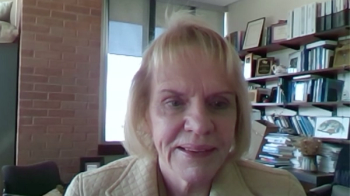
Kathi Mooney, PhD, RN, FAAN, of the University of Utah, gave a preview of "The Oncology Hospital at Home," the presentation she is giving at The American Journal of Managed Care®’s Institute for Value-Based Medicine® event on November 2 in New York City.
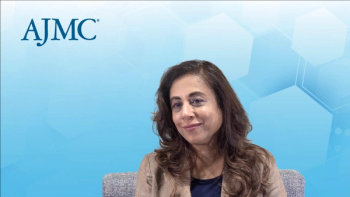
Saira Jan, PharmD, MS, of Horizon Blue Cross Blue Shield of New Jersey, discussed cost savings that occurred so far from their collaborative pilot program with Rutgers Cancer Institute of New Jersey and RWJ Barnabas Health and also noted those they predict to occur as the program continues.
Coverage of the Institute for Value-Based Medicine session with Zangmeister Cancer Center, Columbus, Ohio.
Saira Jan, PharmD, MS, of Horizon Blue Cross Blue Shield of New Jersey, provides an overview of their collaborative pilot program with Rutgers Cancer Institute of New Jersey and RWJ Barnabas Health, discussing the program's origin, objectives, and beyond.
Coverage from the Institute for Value-Based Medicine event with Vanderbilt University Medical Center.
Coverage from the Institute for Value-Based Medicine session with Florida Cancer Specialists & Research Institute.
There is bipartisan support in the Congress for the Community Oncology Alliance's (COA) key agenda items, with hope that some will pass by year’s end.
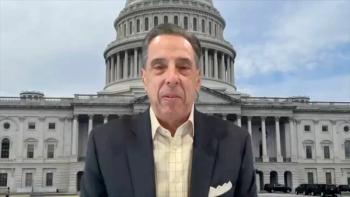
Ted Okon, MBA, executive director, Community Oncology Alliance, discusses early returns from the Enhancing Oncology Model and how community oncology practices are innovating in ways that can expand into other areas of medicine.

Miriam J. Atkins, MD, FACP, president of the Community Oncology Alliance, discusses the challenges facing oncology today, such as physician and nurse recruitment and minority clinical trial enrollment.

At the 2023 COA Payer Exchange Summit being held October 23-24 in Reston, Virginia, Lalan Wilfong, MD, US Oncology Network, emphasizes the importance of oncology care equity, ensuring continuity of care, and enhancing care coordination.
Advertisement
Advertisement
Trending on AJMC
1
5 Things to Know About the One Big Beautiful Bill Act
2
Coroner Reports Pennsylvania's Sixth Measles-Associated Death
3
Medicaid Obesity GLP-1 Coverage May Offset Some Diabetes-Labeled Use
4
FAQ: How Payers Can Close HIV Prevention and PrEP Access Gaps
5