



Oncology
Latest News
Advertisement
Latest Videos

Advertisement
More News
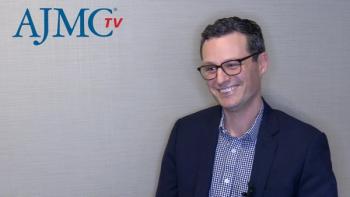
The theme of our inaugural regional Institute for Value-Based Medicine® event in Boston was, “Elevating Value in Cancer Care,” and one of the 4 panel discussions focused on the important contributions of pharmacists and the practice of pharmacy to the oncology space.

It is important to educate and bring awareness to childhood lymphoma, its symptoms, treatment options, and the need for support.

Adults who survived childhood cancer experience elevated fear that their primary cancer will recur or that a subsequent malignant neoplasm will develop, according to a new study.
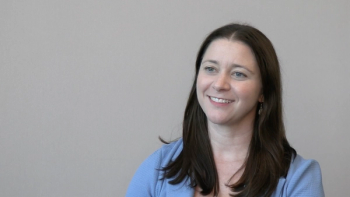
There are some short-lived, common adverse events for patients using cannabis, but also some more dangerous, less common ones in chronic users, explained Marie Parish, PharmD, BCOP, of Mayo Clinic.
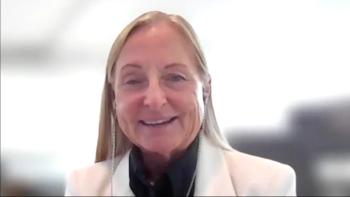
Linda Bosserman, MD, PhD, FASCO, FACP, of City of Hope, discusses the implementation of cutting-edge cancer treatments, emphasizing the need for effective information sharing and collaboration to improve cancer care access for diverse populations.
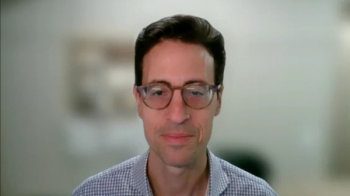
Andrew Leitner, MD, of City of Hope, discusses the challenges of integrating supportive care into cancer treatment and proposes solutions to improve access for patients from underserved communities.
Linda Bosserman, MD, PhD, FASCO, FACP, of City of Hope, emphasizes the need for a sustainable health care system that balances cost with care so patients can achieve the best survival and quality of life after a cancer diagnosis.
Ted Okon, MBA, executive director of the Community Oncology Alliance, spoke with The American Journal of Managed Care® about how the Federal Trade Commission's (FTC) lawsuit against pharmacy benefit managers (PBMs) could affect the future of pharmaceuticals and oncology.
Andrew Leitner, MD, City of Hope, highlights the essential role of supportive care in improving the quality of life of patients with cancer undergoing treatment.

New research highlights increased stroke, heart attack, and heart failure risks in cancer survivors, especially those treated with chemotherapy.
Demonstration projects to show accurate use of artificial intelligence (AI) in cancer care are important to prevent a loss of credibility in the technology, explained Glenn Balasky, executive director, Rocky Mountain Cancer Centers.
Joseph Alvarnas, MD, of City of Hope, discusses how he envisions the future of cancer care over the next decade.
Joseph Alvarnas, MD, of City of Hope, recaps yesterday's Institute for Value-Based Medicine® (IVBM) event on value-based oncology care, emphasizing patient-centered approaches and how attendees can apply these insights in their daily practice.

The authors examine how insurer and patient out-of-pocket payments for advanced prostate cancer differ by drug and health plan type and describe the relationship between these payments and utilization.
The legalization of recreational marijuana in Minnesota has created daily conversations about how to incorporate the use of cannabis into treatment plans for patients with cancer, explained Marie Parish, PharmD, BCOP, of Mayo Clinic.

The National Comprehensive Cancer Network Policy Summit emphasized the importance of integrating diversity, equity, and inclusion into the oncology workforce to improve cancer care outcomes and address disparities while navigating legal and societal challenges.

Disparities continue in younger patients, raising the need for novel interventions to mitigate challenges associated with younger age at diagnosis.
Dax Kurbegov, MD, senior vice president of Sarah Cannon Cancer Network, discussed divides between payers, health systems, and oncology care providers, as well as the impacts these divides can have on patients.

Breakthrough research identifies TIM3 as a key target in MAPK-activated pediatric gliomas, offering new hope for more effective immunotherapy treatments.
Text messaging shows promise for assessing smoking status and identifying lung cancer screening eligibility, particularly among middle-aged, educated individuals with medium or high income. However, a multimodal approach is crucial for equitable implementation of such a program.

Patients with cancer who forego surgery have higher suicide incidence than those who undergo treatment, a study finds.
Despite lacking some data, there is some information on which patients with cancer shouldn’t be recommended cannabis or certain cannabis products, said Marie Parish, PharmD, BCOP, a gastrointestinal oncology pharmacist with Mayo Clinic.
Advances in technology have made active surveillance in men with prostate cancer possible and prevented treatment for men who don’t need it, said Matthew Nielsen, MD, FACS, chair, Department of Urology, University of North Carolina School of Medicine.
Not all patients will want to take triplet therapy, but those with high-volume prostate cancer who are chemotherapy eligible are usually a good fit, explained Neal D. Shore, MD, FACS.

Thyme Care welcomes its new senior vice president to lead initiatives in value-based oncology care.
Advertisement
Advertisement
Trending on AJMC
1
5 Things to Know About the One Big Beautiful Bill Act
2
Coroner Reports Pennsylvania's Sixth Measles-Associated Death
3
Medicaid Obesity GLP-1 Coverage May Offset Some Diabetes-Labeled Use
4
FAQ: How Payers Can Close HIV Prevention and PrEP Access Gaps
5