


Oncology
Latest News
Advertisement
Latest Videos

Advertisement
More News
ASCO 2025 will showcase cutting-edge advancements in precision medicine, artificial intelligence, and biomarker-driven therapies, revolutionizing cancer treatment and diagnostics.
Cathy Eng, MD, FACP, FASCO, Vanderbilt-Ingram Cancer Center, speaks about the clinical and operational priorities that academic medical centers make front-and-center when caring for underserved populations receiving treatment for cancer.
As community oncology evolves to deliver chimeric antigen receptor (CAR) T and bispecific therapies closer to home, support is needed to ensure patient access and precision medicine capabilities, says Nini Wu, MD.
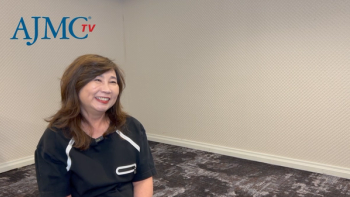
Pharmacists play a crucial role in managing treatment with chimeric antigen receptor T-cell therapy and bispecific antibodies, focusing on patient selection and side effects, explained Eileen Peng, PharmD, of Astera Cancer Care.
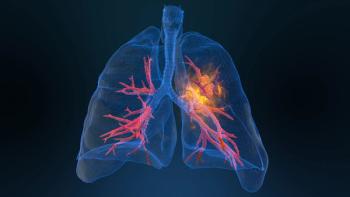
Patients with extensive-stage small cell lung cancer (SCLC) experienced clinically meaningful benefits with lurbinectedin plus atezolizumab vs atezolizumab in the phase 3 IMforte trial, according to findings being presented at the ASCO Annual Meeting.
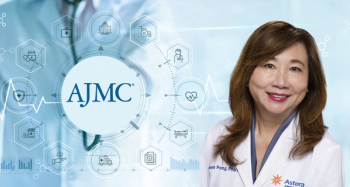
The advent of novel cancer care therapies such as chimeric antigen receptor T-cell therapy and bispecific antibodies is transforming the role of pharmacists in enhancing patient care.
While artificial intelligence (AI) is transforming community oncology, Nini Wu, MD, of Navista, emphasizes that success depends on patient access and infrastructure.
The tool could make it easier for clinicians to rule out melanoma without the need for excision.
Constance Blunt, MD, medical oncologist, Mary Bird Perkins Cancer Center, discusses some of the recent trends in cancer detection, screenings, and resource utilization in community oncology.
Telisotuzumab vedotin (Teliso-V) gained FDA approval as a targeted therapy for patients with advanced non–small cell lung cancer (NSCLC) with high c-Met overexpression, offering new hope.
The study, which used flow cytometry rather than molecular biology to identify circulating tumor cells (CTCs), found a significant positive correlation between the number of CTCs and the stage of disease.
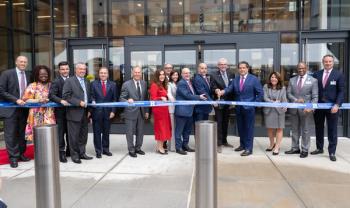
RWJBarnabas Health and Rutgers Cancer Institute unveil the Jack & Sheryl Morris Cancer Center—1 of only 13 freestanding cancer hospitals in the US.

Remote symptom monitoring in cancer care reduces hospitalizations, enhances value-based care, and supports diverse patient populations, according to new findings.

Across various classes, the researchers identified a model that, when coupled with appropriate data augmentation and optimization partner, may help aid in the detection of skin cancer.
Researchers hope that identifying the genomic alterations specific to transformed small cell lung cancer (SCLC) can help drive improvements in personalized treatments for these patients.
Stephen Speicher, MD, and Kate Estep, from Flatiron Health, discuss the future of oncology care with artificial intelligence (AI).
Patients with a high tumor burden score had poorer outcomes following microwave ablation, the investigators found.
The bispecific T-cell engager tarlatamab demonstrated favorable antitumor activity in a small cohort with small cell lung cancer (SCLC), but it was also linked to higher rates of serious adverse events like cytokine release syndrome than seen in clinical trials.

The 2025 Community Oncology Conference empowered attendees with insights on advocacy, innovation, and practical strategies for enhancing community cancer care.
An executive order signed on Tuesday, March 15, necessitated a change in plans for this panel discussion from the 2025 Community Oncology Conference, with the assembled experts, moderated by Ted Okon, MBA, executive director of the Community Oncology Alliance, speaking to how the order would reverberate across the community oncology space.
As skin cancer rates continue to rise, here are 5 key facts every health care professional should know to improve prevention, early detection, and patient outcomes.
Experts at the Community Oncology Conference discuss innovative patient navigation programs, emphasizing technology's role and the importance of human connection in cancer care.
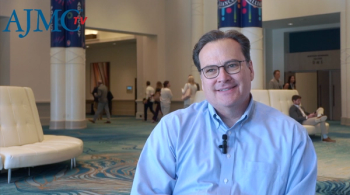
Lalan Wilfong, MD, of Thyme Care and Texas Oncology, discusses a session on circulating tumor DNA (ctDNA) and shares insight as chair of the Community Oncology Alliance (COA) Payer Reform Committee.
Kate Baker, MD, MMHC, medical director of value-based care at Tennessee Oncology, talks about innovations in cancer care highlighted at the Community Oncology Conference.
At the 2025 Community Oncology Conference, Nini Wu, MD, Navista, shares how AI can transform community oncology.
Advertisement
Advertisement
Trending on AJMC
1
5 Things to Know About the One Big Beautiful Bill Act
2
Coroner Reports Pennsylvania's Sixth Measles-Associated Death
3
Medicaid Obesity GLP-1 Coverage May Offset Some Diabetes-Labeled Use
4
FAQ: How Payers Can Close HIV Prevention and PrEP Access Gaps
5