






Oncology
Latest News
Advertisement
Latest Videos





Advertisement
More News

This commentary explores how 2 recently published studies evaluating the clinical benefit of the FDA’s accelerated approval program for oncology drugs came to different conclusions.
Relapsed or refractory cutaneous t-cell lymphoma can be treated in adults with the new FDA approval of denileukin diftitox immunotherapy.

Vorasidenib becomes the first targeted therapy for grade 2 isocitrate dehydrogenase (IDH)–mutant glioma to receive FDA approval.

The COVID-19 pandemic disrupted breast cancer screenings, leading to decreased follow-up rates and widening health disparities.

Patients with endometriosis have a 4.2-fold greater ovarian cancer risk, highlighting the need for further research into the biological links between endometriosis subtypes and ovarian cancer.

Visceral pleural invasion of non–small cell lung cancer (NSCLC) was investigated in this analysis for its potential to predispose patients to worse survival outcomes and greater chances of disease recurrence.

Amit Singal, MD, medical director of the Liver Tumor Program and chief of hepatology at UT Southwestern Medical Center, discusses his research on disparities in hepatocellular carcinoma care in the US.

The risk of early-onset breast cancer, particularly luminal A and triple-negative subtypes, was higher in Black women with obesity and high leptin levels compared with White women. This research highlights the urgent need for targeted interventions to address racial disparities in breast cancer outcomes.

A study demonstrates the value of incorporating protein signatures in creating more advanced prediction tools for patient outcomes.

Should the FDA require that new trial design proposals for perioperative regimens for resectable non–small cell lung cancer (NSCLC) include adequate within trial assessment?
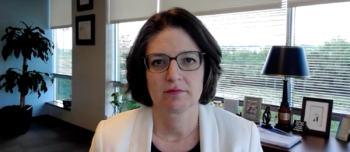
Crystal S. Denlinger, MD, FACP, CEO of the National Comprehensive Cancer Network, discusses possible federal policies to help mitigate ongoing and future cancer drug shortages.

Despite numerous trials, breast cancer immunotherapies have had a modest clinical impact, with only 2 approved drugs, highlighting inefficiencies in the clinical trial system.

Artificial intelligence (AI) models have potential to help clinicians assess risk in patients with hepatocellular carcinoma (HCC) to inform disease management, a new study found.
Crystal S. Denlinger, MD, FACP, CEO of the National Comprehensive Cancer Network, discusses different policy approaches to address the ongoing cancer drug shortage.

Despite a significant increase in women with unilateral breast cancer who received a bilateral mastectomy, this study found no survival benefit compared with other treatment options. Although removing the unaffected breast reduces the risk of developing cancer in the other breast, results did not show decreased risk of death from breast cancer.

Patients diagnoesd with metabolic dysfunction–associated steatotic liver disease may have a higher risk of colorectal cancer (CRC) or colorectal adenoma.

Diane Mahoney, PhD, DNP, FNP-BC, WHNP-BC, APRN, discusses her study on how social determinants of health impact the health perceptions of Black and Hispanic ovarian cancer survivors, highlighting significant health disparities.

Although the amount of real-world evidence demonstrating the safety and efficacy of immune checkpoint inhibitors in advanced hepatocellular carcinoma (HCC) has been growing, data on liver function evolution as a prognostic factor for overall survival are lacking.

Against the backdrop of a case report, pembrolizumab was investigated as immunotherapy for undifferentiated pleomorphic soft tissue sarcoma.

In this final segment of our interview with Ontada's Jessica K. Paulus, ScD, she explains how her team's data presented at the American Society of Clinical Oncology annual conference may translate to the real world.
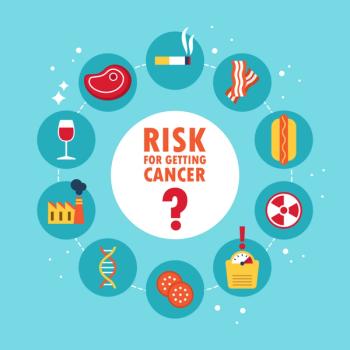
Cigarette smoking among other modifiable risk factors were significantly associated with cancer cases and deaths.

A long-awaited report from the Federal Trade Commission (FTC) finds that vertical integration and consolidation have worked against consumers and independent pharmacies.

To conclude our interview with him, Ravin Ratan, MD, MEd, of MD Anderson, explains the importance of caring for all patients and why he tries to own the process of patients feeling confident that they received the attention they deserve.
COVID-19's Potential Impact on Advanced-Stage Lung Cancer Trends
Published: | Updated:
In our ongoing interview with Jessica K. Paulus, ScD, Ontada, she explains potential drivers behind changing trends in care for lung cancer that may have been influenced by the COVID-19 pandemic.
Michael A. Choti, MD, MBA, Banner MD Anderson, cochaired the second annual Advancing Value-Based Oncology Care meeting and shared insights into the goals of this year's event and value-based medicine as a whole.
Advertisement
Advertisement
Trending on AJMC
1
5 Things to Know About the One Big Beautiful Bill Act
2
Coroner Reports Pennsylvania's Sixth Measles-Associated Death
3
Medicaid Obesity GLP-1 Coverage May Offset Some Diabetes-Labeled Use
4
FAQ: How Payers Can Close HIV Prevention and PrEP Access Gaps
5