
Payers
Latest News


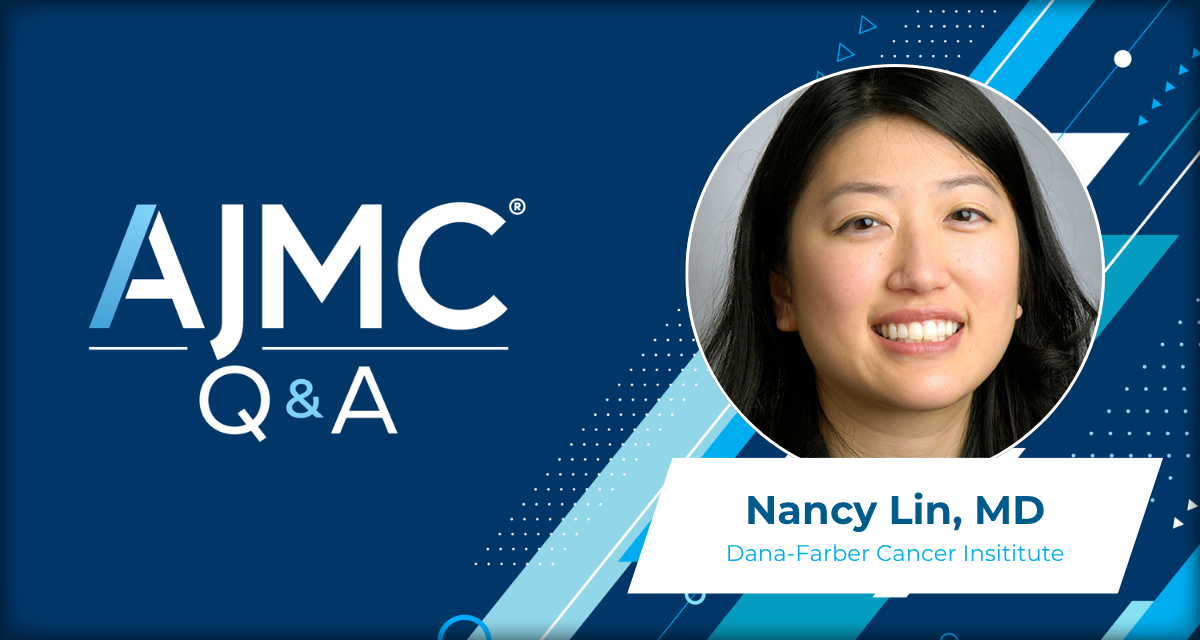
Natera's Moshkevich Discusses TOMR Approach and the Future of MRD-Guided Care
By Mary Caffrey

Stark Insurance and Racial Disparities Seen in Analysis of National CAR T-Cell Data
By Mary Caffrey
Advertisement
Latest Videos






Podcasts



Advertisement
More News

Covering delgocitinib for chronic hand eczema could save a 1M-member plan $88M over 3 years, driven by lower drug costs than off-label therapies.

OPTIMA trial data show genomic testing helps many patients with high‑risk breast cancer skip chemotherapy safely and start endocrine therapy sooner.

Coverage denials delay care, drive patients into debt, and erode trust in insurers—yet nearly half of affected patients never appeal.

The authors describe Medicare Advantage plans that screen for and provide supplemental benefits addressing social needs and explore how these benefits meet communities’ social needs.

Community oncology practices face major infrastructure and reimbursement gaps when delivering bispecific antibodies.

Medicare’s GLP-1 Bridge offers temporary coverage for obesity medication at $50/month, but patients face a 2027 cliff as BALANCE stalls.

Accountable care offers one of the most promising frameworks for stabilizing and expanding access, but only if policy is intentionally designed to support rural participation.

A reproducible Prior Authorization Friction Index enables payers to identify glucagon-like peptide-1 delays and rework, reduce avoidable barriers, and monitor utilization, budgets, and equity in real-world practice.

New Jersey, Where Cancer Care Choice Abounds, Puts Patients at the Center
Published: | Updated:
An Institute for Value-Based Medicine® event in Princeton highlights how the state's leading cancer care providers meet the needs of a diverse population.

Beneficiaries in socially vulnerable communities received higher-quality, more-efficient care under value-based care (at-risk Medicare Advantage) compared with those in fee-for-service Medicare payment arrangements.

Ontada finds that EHR-based education boosts NCCN guideline-concordant care for patients with HER2-low metastatic cancer, raising targeted treatment use among providers who took part in the education activities.

This review will appear in the June issue of Evidence-Based Oncology.


ACA enrollment drops 21.5% in 2026 after enhanced subsidies end. Deductibles hit record $3786 as enrollees shift to high-deductible bronze plans.
Texas Oncology boosts precision medicine with near-universal biomarker testing, quality measurement, and genomic insights—advancing health equity through streamlined workflows and coverage. This commentary will appear in the June issue of Evidence-Based Oncology.
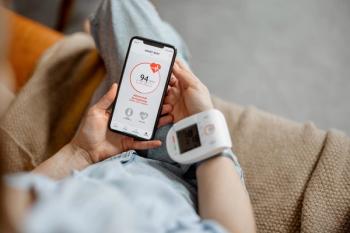
Women’s Health Month highlights major 2026 shifts in menopause care, brain health, abortion access, doula coverage, and wearable tech.

Prior authorization and payer hurdles delay prescription drugs; the Alliance for Patient Access urges health policy shaped by patient experience.
Food insecurity identification modeling for Medicare can establish a reliable method of prioritizing members at risk of food insecurity for identification and program enrollment.

Health-system specialty pharmacies leverage EHR insights to enhance real-world evidence, improve access, and streamline prior authorizations.
Experts at AXS26 laid out why advanced therapies are underutilized and what payers, providers, and manufacturers must do together to change that.

As CAR T-cell therapy reaches community oncology, practice leaders discuss the challenges of payer hurdles, single case agreements, apheresis costs and whether to pursue accreditation.
Advanced therapies are pressuring reimbursement and necessitating real-world durability data and new payment models, said Fran Gregory, PharmD.
Policy experts discuss how PBM reforms came together, what changes are on the horizon, and what threats are looming for community oncology.

Bringing these curative treatments to more patients means making them available at the community practice level. But that's a big lift, according to experts who spoke at a COA session.

As physician shortages and burnout threaten the patient experience in oncology, The US Oncology Network works to scale solutions, including the use AI ambient scribes and other workflow fixes, as well as fostering self-care strategies.
Advertisement
Advertisement
Trending on AJMC
1
MASH Fibrosis, Not Resolution, Predicts Mortality: Zobair Younossi, MD
2
FDA Approves Once-Monthly Subcutaneous Olanzapine for Schizophrenia
3
5 Things to Know if Retatrutide Is Classified as a Biologic
4
GLP-1s Have Protective Benefit Against DME, Glaucoma Surgery
5