

Opinion|Videos|June 16, 2026
Investing in the Future: Redesigning Healthcare Infrastructure for CRM Excellence
Author(s)Ian J. Neeland, MD
How health systems break silos with multidisciplinary, patient-centered teams to improve CRM outcomes through coordinated, holistic care.
Advertisement
Episodes in this series
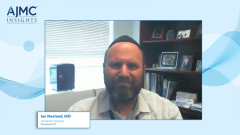
In the final episode with Dr. Neeland, ‘Investing in the Future: Redesigning Healthcare Infrastructure for CRM Excellence,’ the panelist explored the following critical questions:
What are effective methods to align PCPs, specialists, and care teams around patient-centered goals?
How can health systems break silos and create a culture of shared responsibility for CRM outcomes?
Led by the expert cardiologist, the discussion focused on the necessity of a holistic paradigm shift that places the patient at the center of the cardio-renal-metabolic (CRM) care continuum. Ian Neeland emphasized that aligning primary care physicians (PCPs) and specialists requires understanding both the medical and social determinants of health to ensure patient engagement and adherence. To achieve this, health systems must invest time and resources into redesigning infrastructure away from fragmented care and toward coordinated, integrated teams that share responsibility for patient outcomes. By modeling successful programs like the Cinema program, leadership can foster a culture that proactively identifies and treats CRM risks, ultimately paying dividends in improved population health and reduced adverse events.
Throughout the conversation, the expert provided a comprehensive reflection on the field and the factors that may shape how clinicians approach care moving forward.
Thank you for watching this Insights series on cardio-renal-metabolic (CRM) syndrome. Please check out the rest of the videos in this series and subscribe to our newsletter for additional medical education.
Advertisement
Related to this article
Michael Mina, MD, PhD, explains which adverse events drove VYD2311's edge vs an mRNA COVID-19 vaccine and who may benefit most.

Cepheid's Connie Savor, MD, MBA, explains where its 13-pathogen respiratory panel fits in diagnostic stewardship and antibiotic decisions.

The FDA approves atezolizumab with a fluoropyrimidine and oxaliplatin as adjuvant therapy for stage III dMMR colon cancer based on the ATOMIC trial.
Michael Mina, MD, PhD, explains Invivyd's accelerated approval path for VYD2311 and how it could change the timing of COVID-19 protection.

Biomarker-driven care is advancing in mantle cell lymphoma, though cost and infrastructure limit access in community oncology, according to a review.

Fibrosis stage, not MASH resolution, best predicts mortality, which should shape trial end points, says Georgetown's Zobair Younossi, MD, MPH.
Remibrutinib (Rhapsido; Novartis) is the only treatment with approved uses in both chronic spontaneous urticaria and symptomatic dermographism.

Lean MASLD shows milder histology than overweight and obese MASLD but similar mortality and event risk, with fibrosis tied to prognosis.
Advertisement
Advertisement
Trending on AJMC
1
FDA Approves Once-Monthly Subcutaneous Olanzapine for Schizophrenia
2
FDA Approves IV, Subcutaneous Atezolizumab for dMMR Colon Cancer
3
Timing COVID-19 Protection With VYD2311: Michael Mina, MD, PhD
4
Bumetanide Nasal Spray Targets Heart Failure Edema Before IV
5