
Opinion|Videos|September 7, 2026
Empowering Primary Care: Early Alzheimer's Detection and the Referral Pathway Challenge
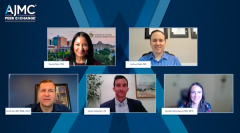
Led by the moderator, the panelists discussed how their practices use structured screening tools, electronic health record order sets, and attention to subtle behavioral symptoms to catch Alzheimer's disease earlier, and how targeted continuing medical education, a "see one, do one, teach one" mentoring approach, and e-consult safety nets are building primary care physicians' confidence to diagnose despite a shrinking pool of behavioral neurologists and geriatricians.
Advertisement
Episodes in this series
In 'Empowering Primary Care: Early Alzheimer's Detection and the Referral Pathway Challenge,' the expert neurology and primary care panelists examined the following critical questions:
How are you enhancing early diagnosis of Alzheimer's disease in your practice setting?
The 2026 Facts and Figures data show that a significant number of primary care physicians (PCPs) do not feel comfortable diagnosing Alzheimer's disease (AD) and also report a shortage of specialists in their area. What does that mean for the pipeline of patients who should be reaching disease-modifying therapy?
A large number of adults aged 65+ live in areas with potential dementia specialist shortages. What structural changes are most needed to close this gap?
Led by the moderator, the panelists discussed how their practices use structured screening tools, electronic health record order sets, and attention to subtle behavioral symptoms to catch Alzheimer's disease earlier, and how targeted continuing medical education, a "see one, do one, teach one" mentoring approach, and e-consult safety nets are building primary care physicians' confidence to diagnose despite a shrinking pool of behavioral neurologists and geriatricians.
Throughout the conversation, the experts provided a comprehensive reflection on the field and the factors that may shape how clinicians approach care moving forward.
Our next episode, 'Expanding Access to Anti-Amyloid Therapy: The Case for Primary Care Prescribing,' further explores Alzheimer's disease, highlighting the challenges of practicing in rural, specialist-scarce areas and the debate over primary care's expanding role in prescribing anti-amyloid therapies through team-based care.
Advertisement
Related to this article

ASPEN links green sputum to neutrophils and exacerbations; brensocatib (DPP1) lowers purulence, while meta-analysis supports fewer flare-ups in bronchiectasis.

Experts at CHEST 2026 urge pulmonologists to keep lung cancer in mind for younger patients who never smoked, to order screening and biomarker testing themselves, and to advocate for patients' access to care.

Phentolamine 0.75% (Ryzumvi) won FDA approval for presbyopia based on the phase 3 VEGA-2 and VEGA-3 trials.

Satralizumab, a first-in-class IL-6 receptor inhibitor, was approved for adults with thyroid eye disease based on the phase 3 SatraGO program.

A higher PNR is associated with lower odds of MASLD and advanced liver fibrosis, but further studies are needed to validate findings.

Speakers at CHEST 2026 walked through the first CHEST guideline for non-CF adult bronchiectasis, including which preventive therapy to start first.

SaTScan detects an acute HCV outbreak cluster in California, showing the potential of automated surveillance, though real-time testing is needed.

Genetic analysis finds 125 loci shared by insomnia and CRP, with Mendelian randomization favoring an effect from insomnia liability to inflammation.
Advertisement
Advertisement
Trending on AJMC
1
FDA Approves Ryzumvi for Presbyopia, Expanding its Label
2
Patents, Rebates, and a Policy Patchwork Keep Inhalers Costly, Panelists Say
3
How Flatiron Health’s Network Chief Is Building the Future For (and With) Community Oncology Practices
4
FDA Grants Accelerated Approval to Dostarlimab for dMMR Rectal Cancer
5