
Opinion|Videos|September 21, 2026
Building the Curriculum: Training Clinicians to Prescribe Anti-Amyloid Therapy
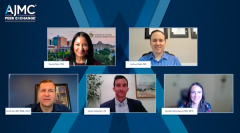
Led by the moderator, the expert neurology and primary care panelists examined what an ideal training curriculum looks like.
Advertisement
Episodes in this series
This episode, titled 'Building the Curriculum: Training Clinicians to Prescribe Anti-Amyloid Therapy,' featured panelists discussing the following critical question:
What specific competencies — such as biomarker interpretation, ARIA monitoring, and patient counseling — would a general neurologist, advanced practice provider (APP), or primary care physician (PCP) need to demonstrate before prescribing or co-managing a patient on anti-amyloid therapy for Alzheimer's disease, and do formal credentialing pathways currently exist?
Led by the moderator, the expert neurology and primary care panelists examined what an ideal training curriculum looks like. Jennifer Woodward, MD, MPH, described a multidimensional model built around a 90-minute self-paced continuing medical education (CME) refresher on pathophysiology and blood-based biomarkers, electronic health record order sets with built-in clinical decision support, live one-on-one onboarding, and an e-consult safety net for complex cases. Scott Joy, MD, MBA, FACP, added that case-based, peer-reviewed learning through shared e-consult sessions helps clinicians recognize diagnostic patterns, but cautioned that inflated expectations about drug efficacy and lingering therapeutic nihilism among some colleagues remain real barriers to adoption — and that no formal credentialing pathway yet exists to standardize this training.
Throughout the conversation, the experts provided a comprehensive reflection on the field and the factors that may shape how clinicians approach care moving forward.
In the next episode, 'Rural Alzheimer's Disease Education: Overcoming Outdated Beliefs and Building Infrastructure,' panelists continue their discussion on Alzheimer's disease and highlight the education and infrastructure challenges of building a treatment program from scratch in a rural, single-physician practice.
Advertisement
Related to this article

At a roundtable in Cleveland, kidney experts said IgA nephropathy and FSGS often go unrecognized, calling for EHR flags and better referral channels.

AI quantitative CT (UCLA QILD, Brainomix e-Lung) predicts FVC decline and drug response in PPF, strengthening biomarkers beyond spirometry in INBUILD.

The conference session featured updates on several clinical trials, including the BRUNELLO trial, for treatment of diabetic macular edema (DME).

Panelists engaged in a debate regarding using complement inhibitors in geographic atrophy, gauging public sentiment with a deciding vote.

A session at AAO 2026 highlighted how big data and minimally invasive glaucoma surgery (MIGS) could be utilized to help patients receive peak care.

Medicaid expansion was associated with lower colorectal cancer mortality, with the largest reductions in Hispanic patients and stage IV disease.

Cepheid's Connie Savor, MD, MBA, explains where its 13-pathogen respiratory panel fits in diagnostic stewardship and antibiotic decisions.

The FDA approves atezolizumab with a fluoropyrimidine and oxaliplatin as adjuvant therapy for stage III dMMR colon cancer based on the ATOMIC trial.
Advertisement
Advertisement
Trending on AJMC
1
Medicare Drug Price Negotiations Yield Uneven Out-of-Pocket Savings
2
Rusfertide Keeps Working Where Hydroxyurea Fades: Andrew Kuykendall, MD
3
CMS Rule Ends Medicaid, CHIP Funding for Pediatric Gender Care
4
Lymphoma Outcomes Hinge on Oncology, Not Viral Load In People With HIV
5