
Opinion|Videos|October 5, 2026
From Screening to Systems Change: Final Reflections on Alzheimer's Disease Care
Led by the moderator, the panelists examined the core lessons from the series.
Advertisement
Episodes in this series
In the final episode, 'From Screening to Systems Change: Final Reflections on Alzheimer's Disease Care,' the panelists explored the following critical question:
What are your final takeaways from this panel discussion?
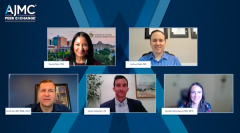
Led by the moderator, the panelists examined the core lessons from the series. Dylan Gallacher, PA-C, emphasized careful patient selection and a team-based approach, encouraging motivated clinicians to become leaders within their own practices. Jennifer Woodward, MD, MPH, argued that primary care physicians can and must take on this work, but stressed that payment structures need to catch up — noting that current billing codes don't allow additional evaluation and management services to be added alongside cognitive assessment visits, leaving much of that care uncompensated. Joshua Oaks, MD, distilled the minimum viable action for primary care to routine cognitive screening followed by blood-based biomarker testing when results are positive, regardless of whether the clinician manages treatment directly or refers out. Scott Joy, MD, MBA, FACP, closed by urging a mindset shift toward viewing cognitive impairment as a manageable chronic condition rather than a terminal one, noting that patients have consistently been grateful for a clear diagnosis, and called on payers to incorporate cognitive impairment into formal quality measures such as HEDIS.
Throughout the conversation, the experts provided a comprehensive reflection on the field and the factors that may shape how clinicians approach care moving forward.
Thank you for watching this Peer Exchange series on Alzheimer's disease. Please subscribe to our newsletter for information on upcoming video series.
Advertisement
Related to this article

Hiddo Heerspink, PhD, discusses finerenone data in type 1 diabetes, FSGS and IgA nephropathy, and open questions on sequencing CKD therapies.

Insmed launches once-daily brensocatib in Japan, the country's only approved treatment for noncystic fibrosis bronchiectasis.
Advertisement
Advertisement
Trending on AJMC
1
Nephrologists Weigh Wins, Losses From 5 Years of Value-Based Kidney Care
2
Povetacicept Cuts Proteinuria by 52% in IgA Nephropathy at Week 36
3
Merck, Moderna Cancer Vaccine Cuts Melanoma Recurrence Risk by 42%
4
Dialysis Access, Church CKD Screening Address Kidney Care Inequities
5