
Opinion|Videos|October 5, 2026
The Next Frontier: Subcutaneous Therapy and the Future of Alzheimer's Disease Access
The panelists examined whether a new subcutaneous monoclonal antibody formulation, paired with telehealth cognitive evaluations, at-home phlebotomy, and remote ARIA monitoring, could extend Alzheimer's disease treatment beyond brick-and-mortar infusion centers into rural and underserved communities.
Advertisement
Episodes in this series
In this episode, 'The Next Frontier: Subcutaneous Therapy and the Future of Alzheimer's Disease Access,' the expert neurology and primary care panelists explored the following question:
Besides the expansion of anti-amyloid prescribing access, how do you envision Alzheimer's disease care changing over the next 5 years?
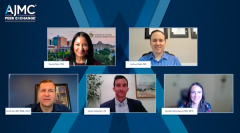
The panelists examined whether a new subcutaneous monoclonal antibody formulation, paired with telehealth cognitive evaluations, at-home phlebotomy, and remote ARIA monitoring, could extend Alzheimer's disease treatment beyond brick-and-mortar infusion centers into rural and underserved communities. Scott Joy, MD, MBA, FACP, welcomed the shift toward subcutaneous dosing but cautioned that closing existing care gaps, such as long MRI and PET scan waitlists, must come first to avoid medical-legal risk. Jennifer Woodward, MD, MPH, emphasized that community health workers and other navigators will be essential for socially isolated patients or those without strong family support, to ensure equitable access as visits become less frequent and more remote. Joshua Oaks, MD, and Dylan Gallacher, PA-C, expressed optimism that this is only the first step in a longer trajectory of treatment, anticipating future multimodal therapies targeting tau and microglia alongside continued expansion of access.
Throughout the conversation, the experts provided a comprehensive reflection on the field and the factors that may shape how clinicians approach care moving forward.
The next episode in this series, 'From Screening to Systems Change: Final Reflections on Alzheimer's Disease Care,' features the panelists advancing their conversation on Alzheimer's disease and focusing on their closing takeaways on team-based care, primary care's role, and the need for updated payment and quality measures.
Advertisement
Related to this article

Hiddo Heerspink, PhD, discusses finerenone data in type 1 diabetes, FSGS and IgA nephropathy, and open questions on sequencing CKD therapies.

Insmed launches once-daily brensocatib in Japan, the country's only approved treatment for noncystic fibrosis bronchiectasis.
Advertisement
Advertisement
Trending on AJMC
1
Nephrologists Weigh Wins, Losses From 5 Years of Value-Based Kidney Care
2
Povetacicept Cuts Proteinuria by 52% in IgA Nephropathy at Week 36
3
Merck, Moderna Cancer Vaccine Cuts Melanoma Recurrence Risk by 42%
4
Dialysis Access, Church CKD Screening Address Kidney Care Inequities
5