
Opinion|Videos|September 21, 2026
Rural Alzheimer's Disease Education: Overcoming Outdated Beliefs and Building Infrastructure
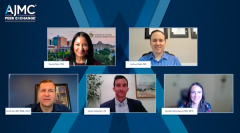
The panelists examined the hurdles of practicing without local backup.
Advertisement
Episodes in this series
In this episode, 'Rural Alzheimer's Disease Education: Overcoming Outdated Beliefs and Building Infrastructure,' the expert neurology and primary care panelists explored the following question:
What are challenges in education that you face in a more rural setting?
The panelists examined the hurdles of practicing without local backup. Joshua Oaks, MD, described colleagues citing ARIA risk and a modest 22%–37% slowing of cognitive decline as reasons to avoid offering treatment at all, along with medical training that taught Alzheimer's disease could only be diagnosed at autopsy and couldn't be treated — a mindset he still hears echoed by medical students on rotation today. Beyond changing that mindset, he detailed the infrastructure he had to build from scratch: negotiating with the local hospital's leadership and radiology director to secure regular MRI monitoring, training the radiology group to recognize ARIA, partnering with an infusion center, and designating a nurse navigator for Alzheimer's patients. He noted that as more of his primary care colleagues — now seven in his group — began prescribing amyloid-targeted therapies themselves, having a peer to ask questions made others progressively more comfortable adopting the same approach.
Throughout the conversation, the experts provided a comprehensive reflection on the field and the factors that may shape how clinicians approach care moving forward.
The next episode in this series, 'Blood-Based Biomarkers: Reshaping the Alzheimer's Disease Diagnostic Toolkit,' features the panelists advancing their conversation on Alzheimer's disease and focusing on how plasma biomarkers like p-tau217 are sequenced alongside cognitive screening, confirmatory PET, and cerebrospinal fluid (CSF) testing.
Advertisement
Related to this article

At a roundtable in Cleveland, kidney experts said IgA nephropathy and FSGS often go unrecognized, calling for EHR flags and better referral channels.

AI quantitative CT (UCLA QILD, Brainomix e-Lung) predicts FVC decline and drug response in PPF, strengthening biomarkers beyond spirometry in INBUILD.

The conference session featured updates on several clinical trials, including the BRUNELLO trial, for treatment of diabetic macular edema (DME).

Panelists engaged in a debate regarding using complement inhibitors in geographic atrophy, gauging public sentiment with a deciding vote.

A session at AAO 2026 highlighted how big data and minimally invasive glaucoma surgery (MIGS) could be utilized to help patients receive peak care.

Medicaid expansion was associated with lower colorectal cancer mortality, with the largest reductions in Hispanic patients and stage IV disease.

Cepheid's Connie Savor, MD, MBA, explains where its 13-pathogen respiratory panel fits in diagnostic stewardship and antibiotic decisions.

The FDA approves atezolizumab with a fluoropyrimidine and oxaliplatin as adjuvant therapy for stage III dMMR colon cancer based on the ATOMIC trial.
Advertisement
Advertisement
Trending on AJMC
1
Medicare Drug Price Negotiations Yield Uneven Out-of-Pocket Savings
2
Rusfertide Keeps Working Where Hydroxyurea Fades: Andrew Kuykendall, MD
3
CMS Rule Ends Medicaid, CHIP Funding for Pediatric Gender Care
4
Lymphoma Outcomes Hinge on Oncology, Not Viral Load In People With HIV
5