





Conference Coverage
Latest Content





Advertisement
Shorts

0:45
Helping Cancer Patients Thrive Throughout Survivorship
3 days ago
by
Bhavana (Tina) Bhatnagar, DO(+1 more)
0:33
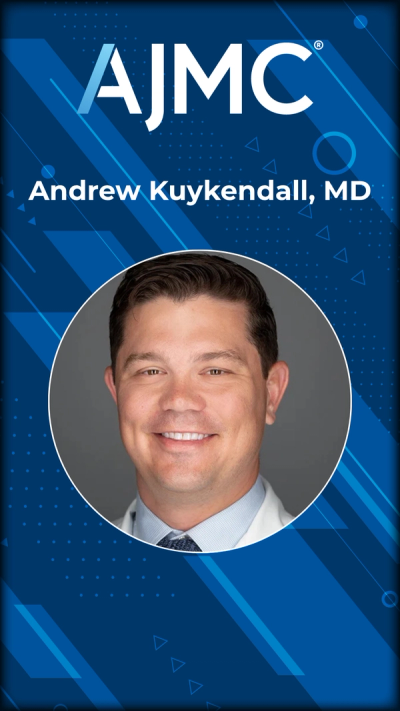
Understanding Anemia and Dosing Control With Rusfertide
4 days ago
by
Andrew Kuykendall, MD(+1 more)
0:43
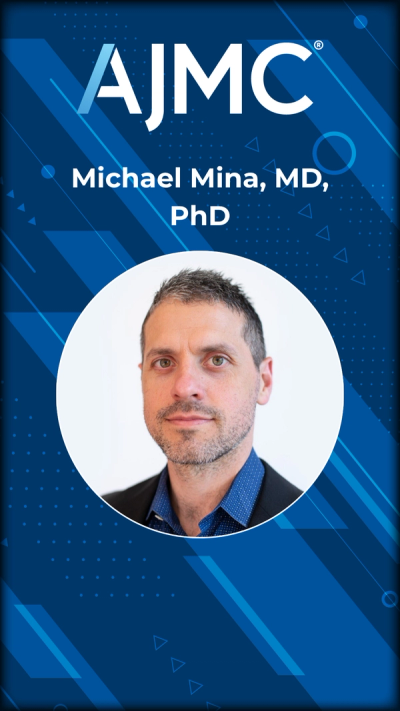
A Surprising Find on Vaccine Adverse Effects: Michael Mina, MD, PhD
5 days ago
by
Sabrina McCrear(+1 more)
0:48
The Word That Changes Parent Minds
5 days ago
by
Sabrina McCrear(+1 more)

1:41
CGDB vs EMR Overall Survival in Small Cell Lung Cancer: Dan Lin, PhD
6 days ago
by
Connie Buckmaster(+1 more)
0:30
Bispecifics Benefits Still Uncertain in CLL: Kerry Rogers, MD
6 days ago
by
Kerry Rogers, MD(+1 more)
0:48
The Implications of Value-Based Pricing in CMS: Peter Neumann, ScD
10 days ago
by
Connie Buckmaster(+1 more)
0:40
Why a Stem Cell Transplant May Not Be Needed in ALL
10 days ago
by
Emily K. Curran, MD(+1 more)
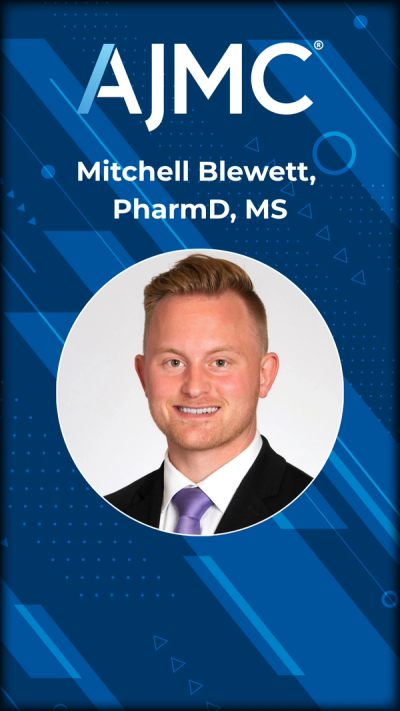
0:36
The High-Tech Reality of Hospital Pharmacy Prep: Mitchell Blewett, PharmD, MS
11 days ago
by
Giuliana Grossi(+1 more)
1:17
Comparability of CGDB vs EMR Data in Small Cell Lung Cancer: Dan Lin, PhD
13 days ago
by
Connie Buckmaster(+1 more)
Free Webinar: Medical Aid in Dying
Gain expert insights to help your organization shape end-of-life care policies that put patients first.

Personalized Expert Insights
Have a question about bispecific therapy? Connect with experts who have the answers.

Center on Health Equity & Access
Start seeing what truly shapes access and learn how you can redefine the landscape.

Stay Ahead of Clinical and Policy Change
AJMC's e-newsletter features payer-focused insights across priority disease areas.










Center on Health Equity & Access







Advertisement
All News
Advertisement

Alice Hall-Partyka, JD, a partner at Crowell & Moring explains the lawsuits challenging CMS' Medicaid rule on pediatric gender care and its legal weak points.

Siva Mohan, MD, explains how drug costs drive silent nonadherence, PA burden, and biosimilar hesitancy, and what payers can do about it.

Proinflammatory diets were tied to higher mortality in MASLD and MetALD, whereas antioxidant-rich diets tracked with better survival.

Inconsistent definitions limit pathological response as a soft tissue sarcoma marker, according to a narrative review.

A meta-analysis of HELIOS-B and CARDIO-TTRansform found gene silencers reduced death and CV events, driven by patients not taking stabilizers.

ApoB more directly reflects atherogenic particle burden than LDL-C, but missing outcome trials and assay variability still limit its routine use.

An analysis finds distinct adverse event reporting patterns across immunosuppressive regimens, highlighting the need for tailored safety monitoring.

On National Latinx AIDS Awareness Day, experts outline HIV prevention gaps in Hispanic communities and how payers can ease PrEP access.

In states that covered obesity-labeled GLP-1 RAs, total GLP-1 RA use rose less than obesity-labeled use alone, suggesting possible substitution.

HR 1 brings Medicaid work requirements and narrower immigrant eligibility by January 2027, and CBO projects 10 million more uninsured by 2034.
Advertisement
Advertisement
Trending on AJMC
1
5 Things to Know About the One Big Beautiful Bill Act
2
Automated HCV Surveillance Shows Promise But Needs Validation
3
Coroner Reports Pennsylvania's Sixth Measles-Associated Death
4
PBM Reform and Supportive Care Needs: Nicolas Ferreyros
5