
Opinion|Videos|August 19, 2026
How JAK Inhibitors Are Reshaping Vitiligo Treatment Goals
JAK inhibitors mark a genuine shift in vitiligo care, offering stabilization before repigmentation and color that matches native skin tone. Dr. Desai and Dr. Lal weigh their promise against the patience and compliance they demand.
Advertisement
Episodes in this series
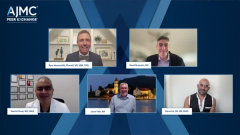
In "How JAK Inhibitors Are Reshaping Vitiligo Treatment Goals," Dr. Desai and Dr. Lal explore how JAK inhibitors are reshaping the goals of vitiligo treatment.
Dr. Desai calls the JAK-STAT family of therapies a genuine game changer, drawing on research he has conducted in the small molecule space since 2012. With oral JAK inhibitors approaching FDA approval, potentially several in succession, dermatology will finally have randomized, double-blind, placebo-controlled data supporting systemic vitiligo treatment. He stresses that stabilization and repigmentation are distinct goals: clinicians must first calm ongoing disease activity, reaching what he calls a baseline calmness, before pigment can meaningfully return. He compares the process to warming from negative degrees back up through zero before real repigmentation begins, cautioning patients that these are not overnight fixes but long-term therapies requiring sustained counseling.
He highlights that when repigmentation does occur with these agents, the returning color closely matches native skin tone, a cosmetically important detail for patients. Once-daily oral dosing also supports adherence, and because vitiligo frequently co-occurs with atopic dermatitis, psoriasis, and metabolic abnormalities, systemic therapy may address the disease's broader autoimmune footprint rather than skin alone.
Dr. Lal then discusses topical JAK inhibitors' strengths and limitations. Topicals are easy and safe because absorption stays largely confined to the skin, and they act faster than oral options, giving patients confidence they are not being systemically exposed. Data even show some benefit persisting after withdrawal, with a catch-up effect upon restarting. The real limitation, he says, is compliance: applying medication twice daily for four to six months without visible results is a hard sell, making reassurance and expectation-setting essential parts of care. He typically gives topicals six months to a year before adding an oral JAK inhibitor or phototherapy, since oral agents work slower but address systemic inflammation more broadly.
Up next, in "Payer Perspectives on Topical Versus Oral JAK Selectivity," Jason brings the payer's perspective to the emerging distinction between topical and oral JAK selectivity.
Advertisement
Related to this article

Cross-ancestry GWAS of more than 1.8 million people flags SERPINA1, SMAD3, and other bronchiectasis targets shared with COPD and chronic bronchitis.

The FDA approved bepirovirsen, the first antisense oligonucleotide for chronic hepatitis B, offering a new treatment with functional cure potential.
ALIS added to azithromycin and ethambutol raised culture conversion in new MAC lung disease, with rare resistance, in an ENCORE analysis at IDWeek 2026.

Insmed’s once-daily TPIP prodrug shows sustained lung vasodilation in PAH and PH-ILD, improving walk distance and other key measures.

Cosibelimab received an NCCN Category 2A preferred designation for locally advanced CSCC, supported by durable responses and low immune toxicity.

ASPEN links green sputum to neutrophils and exacerbations; brensocatib (DPP1) lowers purulence, while meta-analysis supports fewer flare-ups in bronchiectasis.

Experts at CHEST 2026 urge pulmonologists to keep lung cancer in mind for younger patients who never smoked, to order screening and biomarker testing themselves, and to advocate for patients' access to care.

Phentolamine 0.75% (Ryzumvi) won FDA approval for presbyopia based on the phase 3 VEGA-2 and VEGA-3 trials.
Advertisement
Advertisement
Trending on AJMC
1
Awareness Gaps Drive Narcolepsy, IH Delays: Logan Schneider, MD
2
Extension Studies in TPIP Show Promise in PAH, PH-ILD
3
Administrative Burden Keeps Clinicians From Bedside: Amy Morris, MD
4
International Panel Agrees on Framework for Tapering Psoriasis Biologics
5