
Opinion|Videos|August 19, 2026
The Current Vitiligo Treatment Landscape, From Topicals to Orals
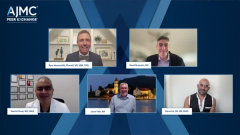
From corticosteroids and calcineurin inhibitors to phototherapy, oral supplements, and emerging JAK inhibitors, Dr. Rosmarin walks through a treatment landscape defined by combination therapy rather than any single modality working alone.
Advertisement
Episodes in this series
"The Current Vitiligo Treatment Landscape, From Topicals to Orals" takes up the question of where each modality — topicals, phototherapy, orals, and procedures — fits into the current vitiligo treatment landscape.
Dr. Rosmarin walks through the full range of vitiligo treatment modalities: topical, oral, systemic, and procedural. Topical corticosteroids and calcineurin inhibitors remain foundational, with calcineurin inhibitors preferred for sensitive areas like the head, neck, and genitals. Ruxolitinib cream, approved in 2022 as the first and still only FDA-approved vitiligo treatment, has expanded options considerably; he uses it first-line in some patients and in combination with corticosteroids or calcineurin inhibitors in others, depending on payer requirements or clinical scenario. He still considers tacrolimus ointment reasonable as first-line therapy in select cases.
Phototherapy, particularly narrowband UVB, remains an important complementary modality because vitiligo treatment requires two simultaneous actions: calming the immune system and stimulating pigment cells. Phototherapy addresses the latter, making combination approaches synergistic. Its main limitations are access and convenience, since many dermatology practices lack phototherapy equipment and many trainees never learn to use it well. High copays and inconvenient office visits push some patients toward home phototherapy, though payers often require documented success with in-office treatment first, and some patients purchase their own devices online.
Oral supplements like polypodium and ginkgo biloba see occasional use, typically alongside phototherapy. Off-label oral JAK inhibitors are already in use by many clinicians, with Phase 3 data emerging and approval of roughly three agents expected within the next year. Procedures such as melanocyte transfer, which relocates pigment-producing cells to affected areas, are almost never covered by insurance. Dr. Rosmarin emphasizes that because repigmentation is so difficult, most patients ultimately require combination therapy delivered concurrently rather than in strict sequence.
The next episode in this series, "How JAK Inhibitors Are Reshaping Vitiligo Treatment Goals," features Dr. Desai and Dr. Lal examining how JAK inhibitors are reshaping treatment goals.
Advertisement
Related to this article

Cross-ancestry GWAS of more than 1.8 million people flags SERPINA1, SMAD3, and other bronchiectasis targets shared with COPD and chronic bronchitis.

The FDA approved bepirovirsen, the first antisense oligonucleotide for chronic hepatitis B, offering a new treatment with functional cure potential.
ALIS added to azithromycin and ethambutol raised culture conversion in new MAC lung disease, with rare resistance, in an ENCORE analysis at IDWeek 2026.
Insmed’s once-daily TPIP prodrug shows sustained lung vasodilation in PAH and PH-ILD, improving walk distance and other key measures.
Cosibelimab received an NCCN Category 2A preferred designation for locally advanced CSCC, supported by durable responses and low immune toxicity.

ASPEN links green sputum to neutrophils and exacerbations; brensocatib (DPP1) lowers purulence, while meta-analysis supports fewer flare-ups in bronchiectasis.

Experts at CHEST 2026 urge pulmonologists to keep lung cancer in mind for younger patients who never smoked, to order screening and biomarker testing themselves, and to advocate for patients' access to care.

Phentolamine 0.75% (Ryzumvi) won FDA approval for presbyopia based on the phase 3 VEGA-2 and VEGA-3 trials.
Advertisement
Advertisement
Trending on AJMC
1
Awareness Gaps Drive Narcolepsy, IH Delays: Logan Schneider, MD
2
Extension Studies in TPIP Show Promise in PAH, PH-ILD
3
Administrative Burden Keeps Clinicians From Bedside: Amy Morris, MD
4
International Panel Agrees on Framework for Tapering Psoriasis Biologics
5