
Opinion|Videos|October 1, 2026
Closing Reflections on the Future of Vitiligo Care
As the panel closes, cautious optimism prevails: new mechanisms, expanding access, and a deeper understanding of vitiligo's psychosocial toll all point toward meaningful, if gradual, progress for patients across every skin tone.
Advertisement
Episodes in this series
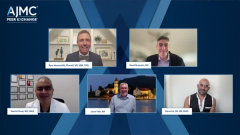
In "Closing Reflections on the Future of Vitiligo Care," each panelist shares closing reflections on where vitiligo care is headed next.
Dr. Desai closes by declaring that hope is on the horizon for vitiligo patients and providers alike, describing the disease as a medical condition with substantial psychological consequences that deserves continued advocacy at the policy, research, and scientific levels. He credits ongoing conversations like this panel with helping advance the field's next frontier and encourages sustained collaboration among clinicians, researchers, and policymakers.
Dr. Rosmarin thanks the moderator and fellow panelists, expressing genuine excitement about the treatment landscape ahead, from the existing topical option to three oral JAK inhibitors and additional targeted biologic therapies moving through the pipeline. He cautions that new treatments only help patients if they are actually accessible, since a therapy sitting unused on a shelf accomplishes nothing. He reiterates the value of continued partnership with payers, framing shared goals of getting the right treatment to the right patient as the objective all sides genuinely share.
Dr. Lal emphasizes that vitiligo affects every skin tone but disproportionately burdens patients with skin of color, adding that only patients themselves can fully understand its psychosocial and financial weight. He notes the disease still requires multiple concurrent treatment strategies rather than a single solution, unlike more straightforward conditions such as psoriasis, a reminder of how much complexity remains despite genuine progress.
Jason closes by describing himself as both moved and encouraged by the clinical stories shared throughout the discussion, calling the pace of innovation a double-edged sword: more competing therapies can lower net costs through negotiation, but they also raise utilization and place additional pressure on already strained healthcare budgets. He thanks the panel for the chance to sit among such experienced clinicians and thought leaders throughout the discussion.
Thank you for watching this AJMC Peer Exchange series on vitiligo. Please subscribe to our eNewsletter for information on upcoming video series.
Advertisement
Related to this article

Cross-ancestry GWAS of more than 1.8 million people flags SERPINA1, SMAD3, and other bronchiectasis targets shared with COPD and chronic bronchitis.

The FDA approved bepirovirsen, the first antisense oligonucleotide for chronic hepatitis B, offering a new treatment with functional cure potential.

ALIS added to azithromycin and ethambutol raised culture conversion in new MAC lung disease, with rare resistance, in an ENCORE analysis at IDWeek 2026.

Insmed’s once-daily TPIP prodrug shows sustained lung vasodilation in PAH and PH-ILD, improving walk distance and other key measures.
Cosibelimab received an NCCN Category 2A preferred designation for locally advanced CSCC, supported by durable responses and low immune toxicity.

ASPEN links green sputum to neutrophils and exacerbations; brensocatib (DPP1) lowers purulence, while meta-analysis supports fewer flare-ups in bronchiectasis.

Experts at CHEST 2026 urge pulmonologists to keep lung cancer in mind for younger patients who never smoked, to order screening and biomarker testing themselves, and to advocate for patients' access to care.

Phentolamine 0.75% (Ryzumvi) won FDA approval for presbyopia based on the phase 3 VEGA-2 and VEGA-3 trials.
Advertisement
Advertisement
Trending on AJMC
1
Awareness Gaps Drive Narcolepsy, IH Delays: Logan Schneider, MD
2
Extension Studies in TPIP Show Promise in PAH, PH-ILD
3
Administrative Burden Keeps Clinicians From Bedside: Amy Morris, MD
4
International Panel Agrees on Framework for Tapering Psoriasis Biologics
5