
Opinion|Videos|September 24, 2026
Preparing the Vitiligo Community for a New Treatment Era
With three oral JAK inhibitors advancing through Phase 3 trials, Dr. Rosmarin calls for consensus guidelines, while Dr. Desai details the practical advocacy, documentation, and coverage groundwork needed to get patients access.
Advertisement
Episodes in this series
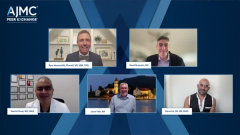
In "Preparing the Vitiligo Community for a New Treatment Era," Dr. Rosmarin and Dr. Desai discuss what the dermatology community needs to prepare for this next treatment era.
Dr. Rosmarin previews an active late-stage pipeline: three oral JAK inhibitors, upadacitinib, ritlecitinib, and tofacitinib, are progressing through final Phase 3 stages, alongside zasocitinib, a selective TYK2 inhibitor, in Phase 2 proof-of-concept testing. He calls this an exciting moment for a field that badly needs systemic options, but argues the dermatology community must simultaneously develop consensus guidelines to guide appropriate use, duration, and combination strategies. Good stewardship, he says, requires the field to educate itself collectively rather than let individual practice patterns emerge unchecked as these new therapies reach patients.
Dr. Desai then addresses the practical cost conversations his practice already navigates for topical ruxolitinib, crediting favorable Texas coverage along with dedicated staff support for prior authorizations, specialty pharmacy coordination, and manufacturer rebate programs whenever compliant. Staying on-label, he stresses, matters throughout this process. He also describes broader advocacy work through his role as president of the Global Vitiligo Foundation, including engagement with Medicaid and Medicare coverage decisions and direct advocacy letters to CMS at both state and federal levels. Reporting claims data back to manufacturers and payers, he adds, helps build the evidence base that ultimately supports better coverage decisions over time.
Finally, Dr. Desai notes that payers typically require documentation that patients have tried and failed other therapies before approving newer options, making thorough staff-supported record-keeping essential to securing timely access. Between guideline development, advocacy infrastructure, and diligent documentation, the panel frames access as requiring coordinated effort well beyond simply having an approved therapy available on the market for prescribing physicians to use.
The next episode, "Toward Standardized Sequencing in Vitiligo Care," asks Dr. Lal and Jason whether treatment sequencing can ever be standardized.
Advertisement
Related to this article

Genetic analysis finds 125 loci shared by insomnia and CRP, with Mendelian randomization favoring an effect from insomnia liability to inflammation.

Proinflammatory diets were tied to higher mortality in MASLD and MetALD, whereas antioxidant-rich diets tracked with better survival.

An analysis finds distinct adverse event reporting patterns across immunosuppressive regimens, highlighting the need for tailored safety monitoring.

Sjögren disease involves far more than dry eyes and mouth, and variable symptoms plus multispecialty testing delay diagnosis, says Steven Carsons, MD.

Early MASH risk stratification, drug choice, and aligned coverage could improve outcomes, explained Zobair Younossi, MD.

These phase 3 EXCALIBER-RRMM findings build on earlier MRD-negative complete response results supporting FDA approval of the iberdomide-based regimen.

Admilparant 60 mg met the ALOFT-IPF primary end point, significantly improving FVC change vs placebo at 52 weeks in idiopathic pulmonary fibrosis.

At a roundtable in Cleveland, kidney experts said IgA nephropathy and FSGS often go unrecognized, calling for EHR flags and better referral channels.
Advertisement
Advertisement
Trending on AJMC
1
5 Things to Know About the One Big Beautiful Bill Act
2
Coroner Reports Pennsylvania's Sixth Measles-Associated Death
3
ACA Subsidies End for 189,000 Duplicate or Deceased Enrollees
4
FAQ: How Payers Can Close HIV Prevention and PrEP Access Gaps
5